← All excursions

Fente 1

Mixed

Started May 9, 2026, 6:38 PM

Notes

Rainy day in the north

Photos & observations
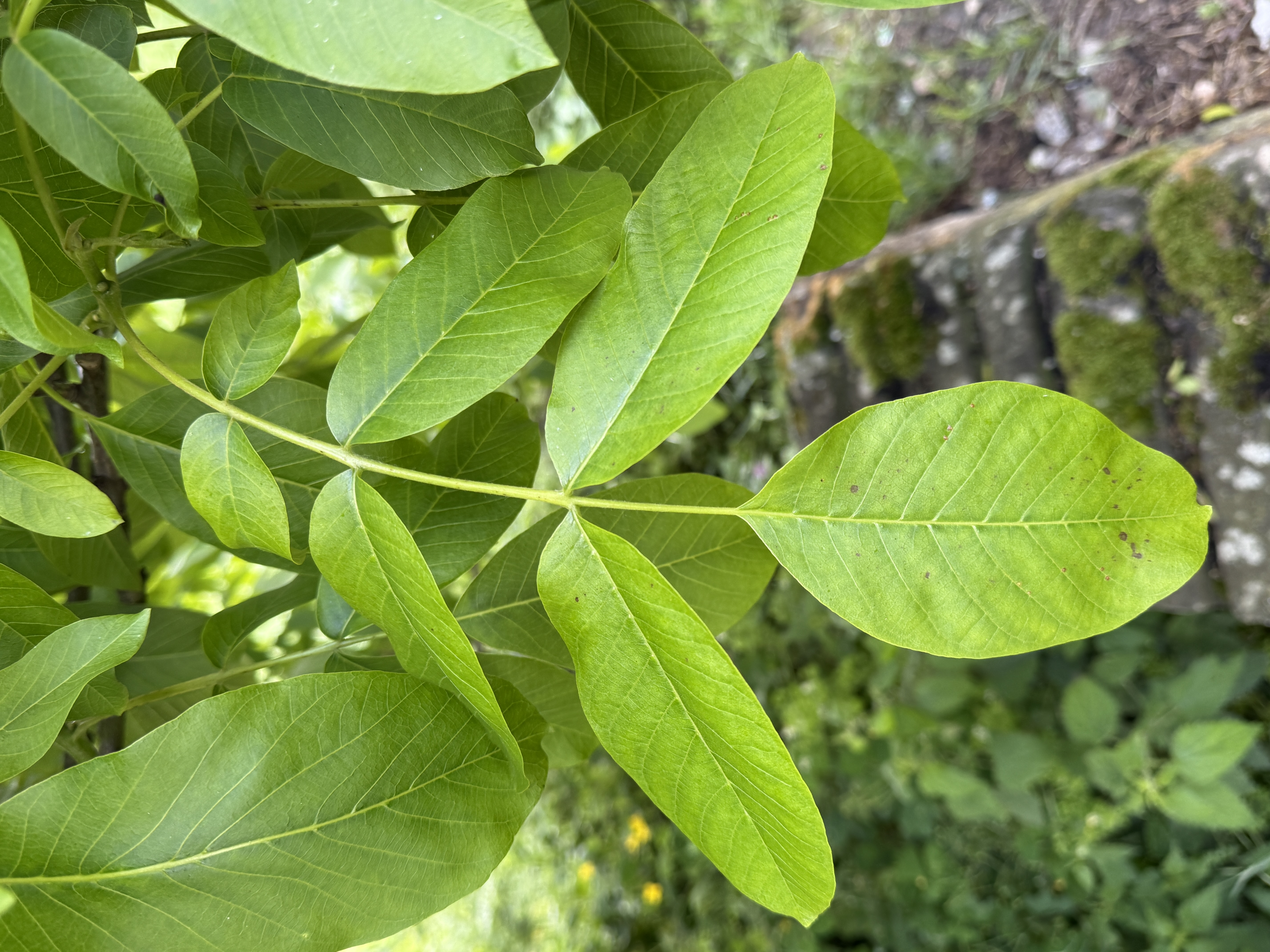
Juglans regia · WalnutExplore photosynthesisMay 13, 2026, 9:55 AM
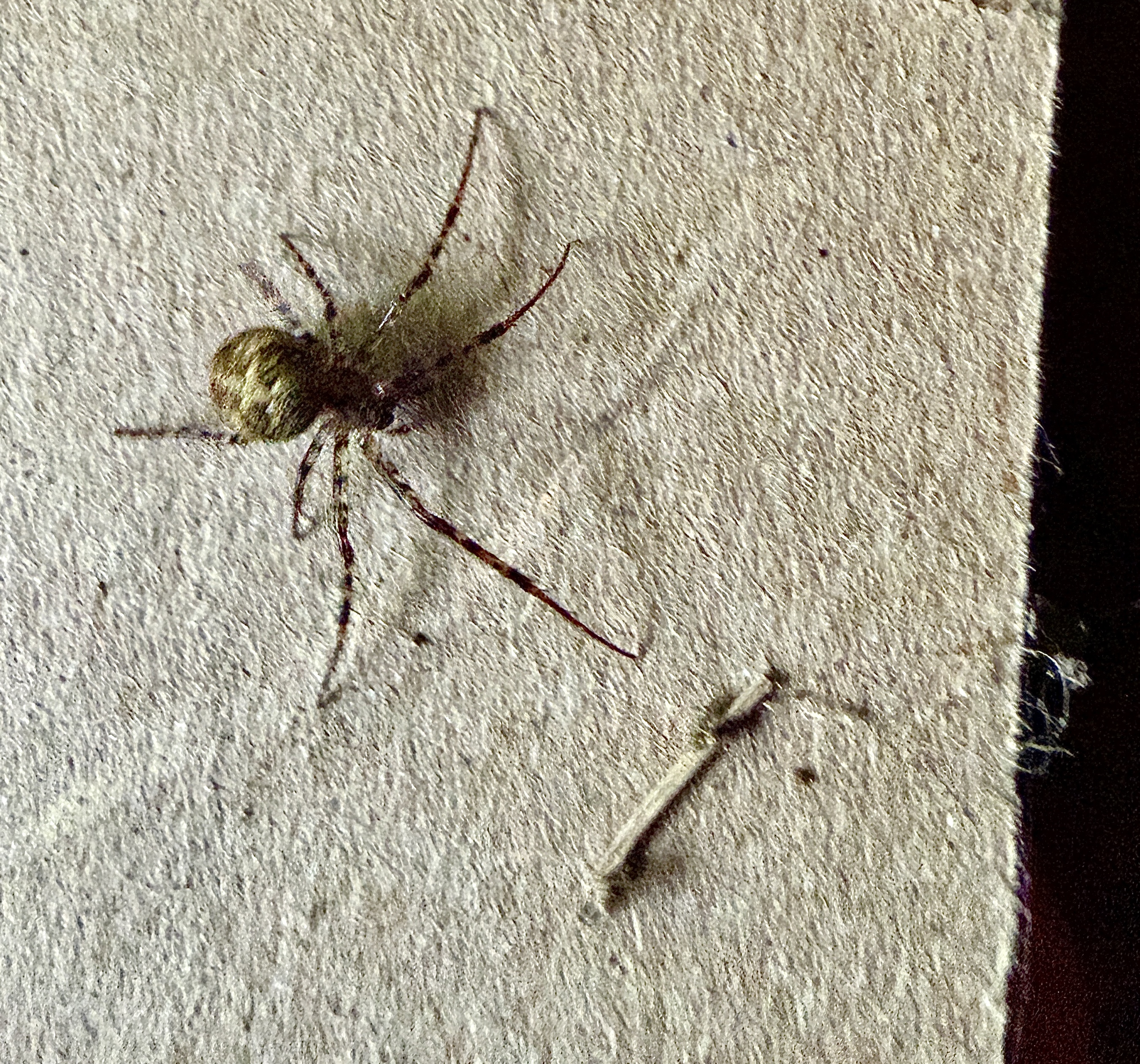
Steatoda nobilis · Cupboard SpiderMay 13, 2026, 7:05 AM
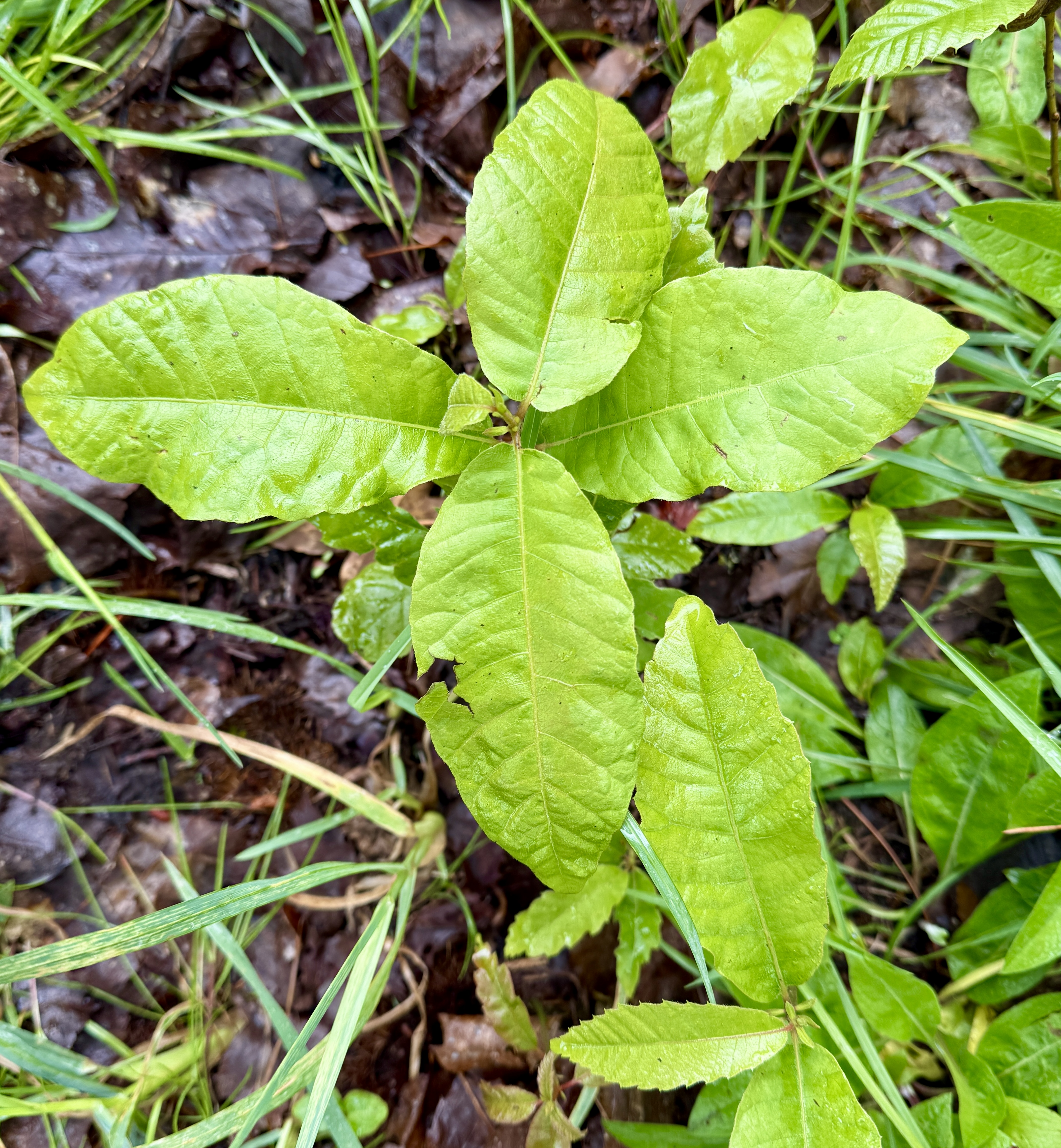
Toxicodendron radicans · Poison IvyExplore photosynthesisMay 13, 2026, 7:11 AM
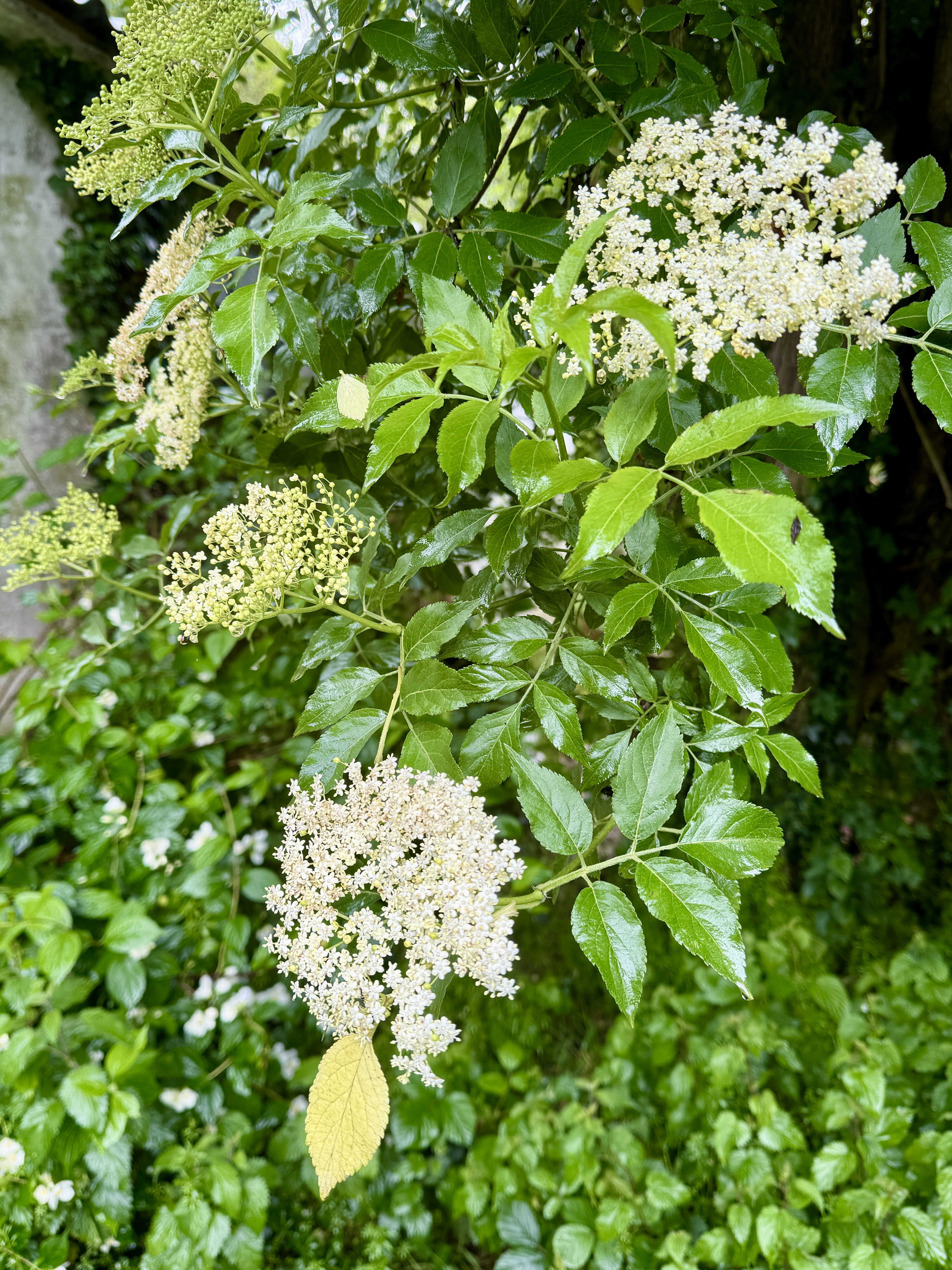
Sambucus nigra · ElderExplore photosynthesisMay 12, 2026, 10:23 AM
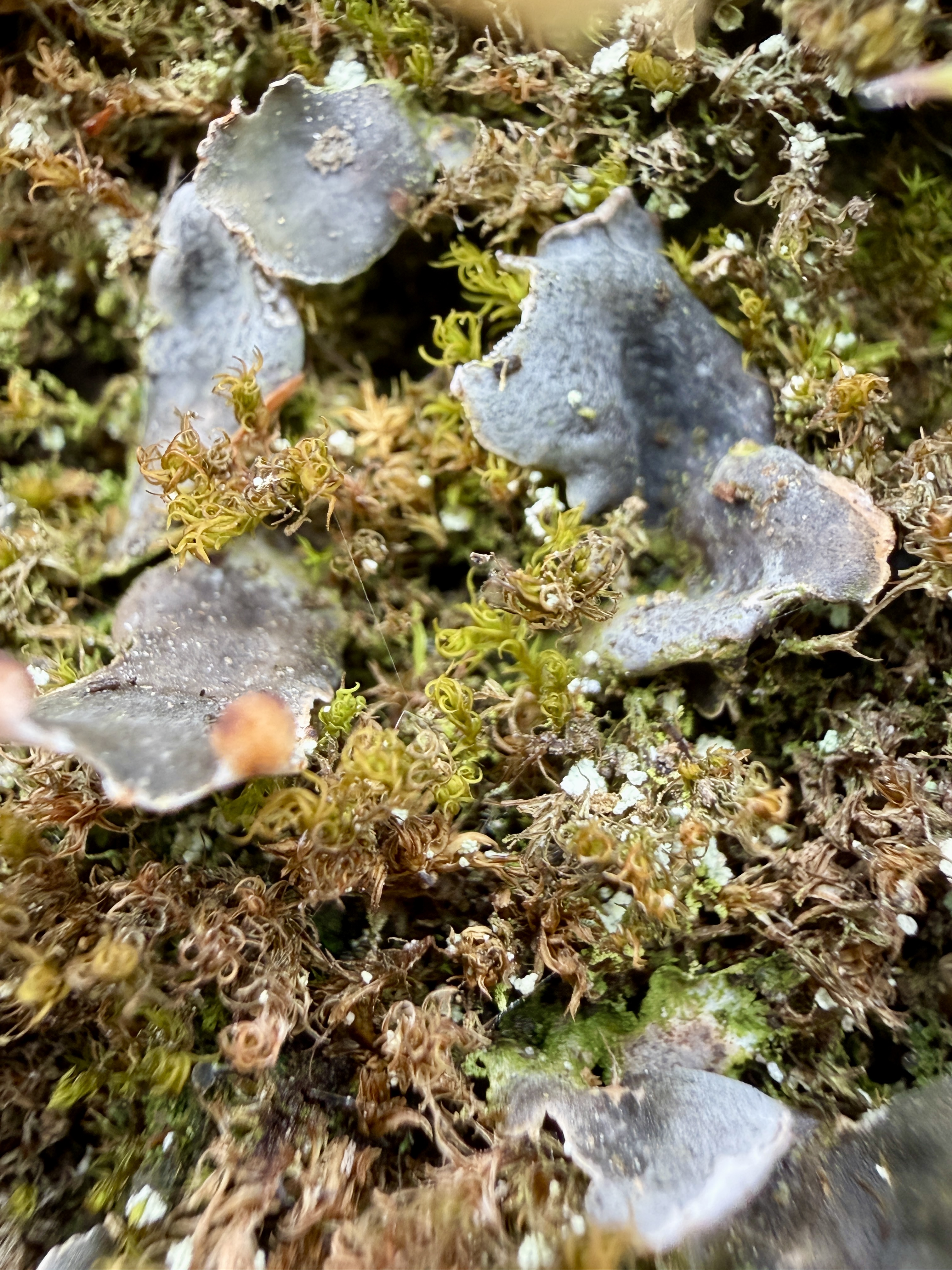
Peltigera membranacea · peltigera lichenMay 10, 2026, 4:17 PM
Viola sororia · Common Blue VioletExplore photosynthesisMay 10, 2026, 5:10 PM
Salvia leucophylla · California sagebrushExplore photosynthesisMay 10, 2026, 5:20 PM
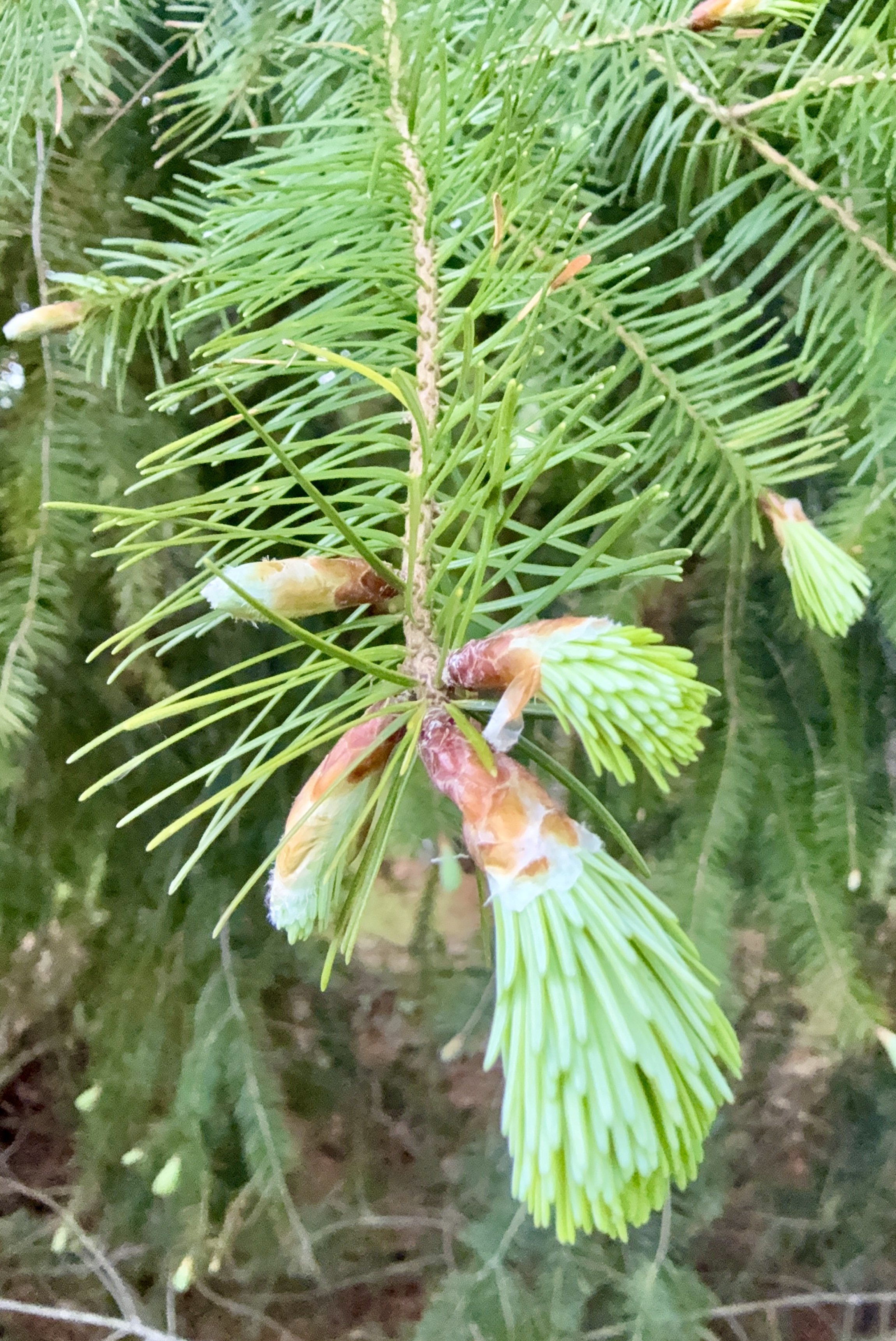
Pinus monticola · Western white pineExplore photosynthesisMay 10, 2026, 5:23 PM
Dryopteris filix-mas · Male fernExplore photosynthesisMay 10, 2026, 5:30 PM
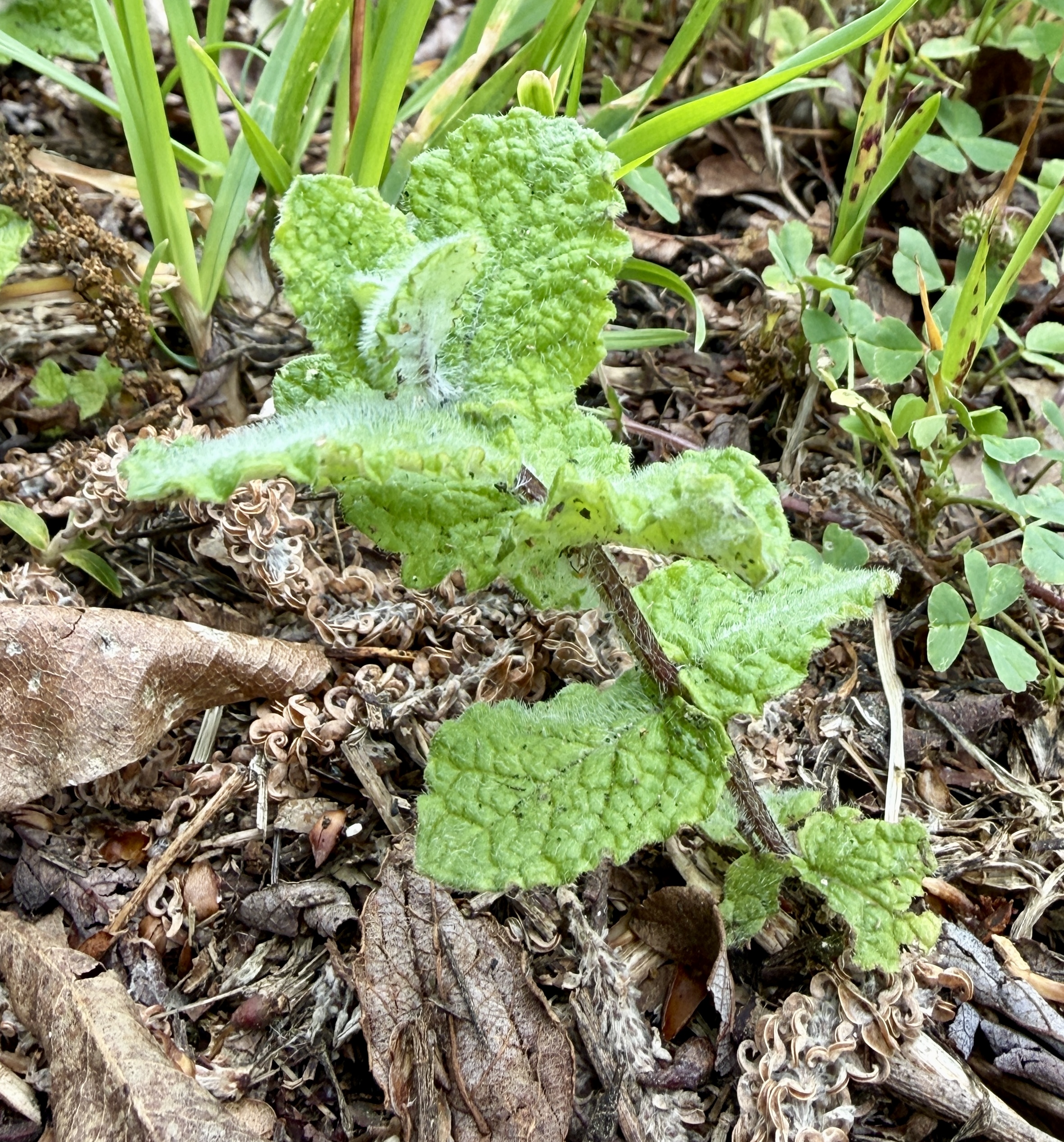
Chenopodium album · Lamb's quartersExplore photosynthesisMay 10, 2026, 5:16 PM
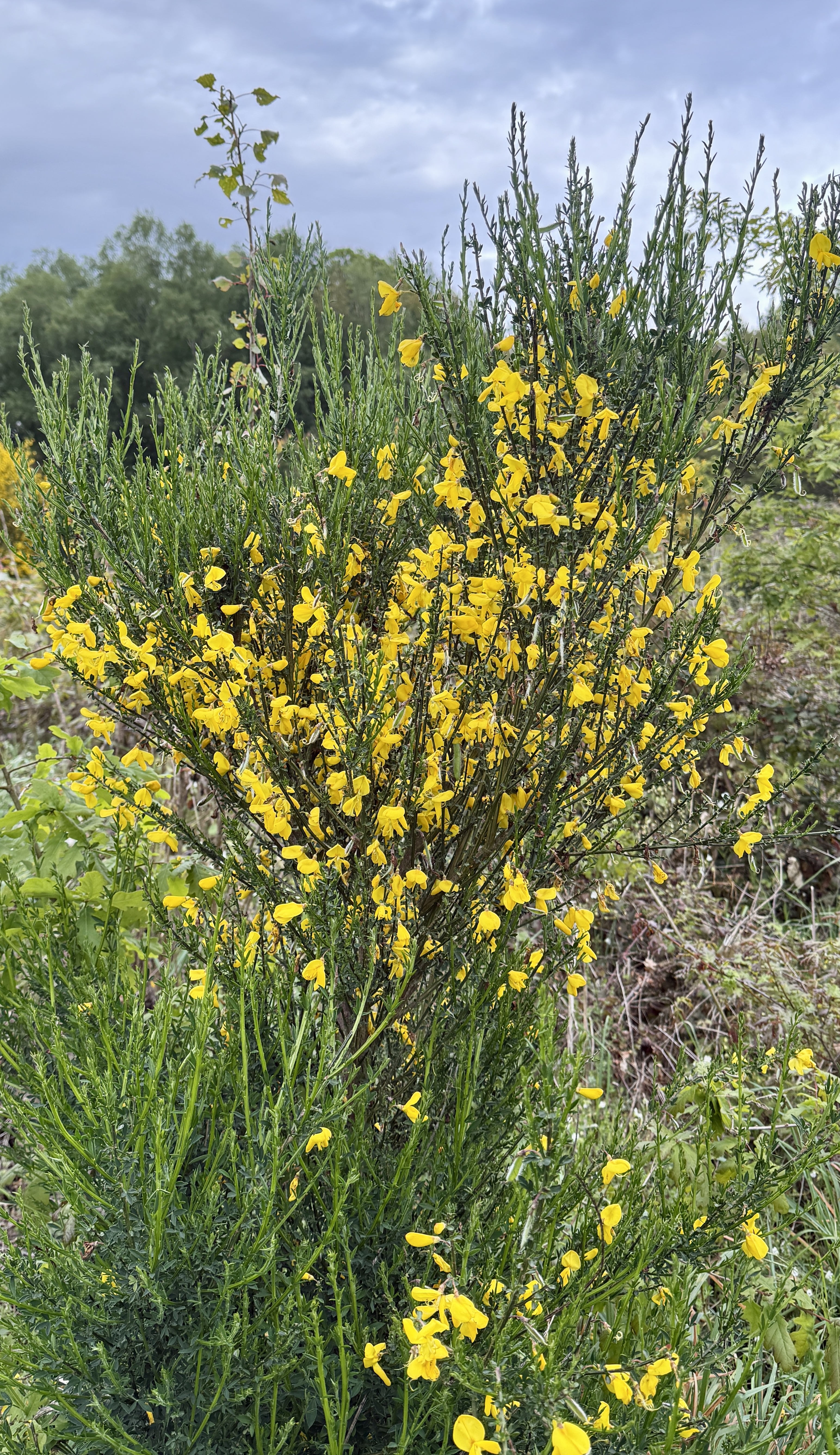
Ulex europaeus · gorseExplore photosynthesisMay 10, 2026, 5:14 PM
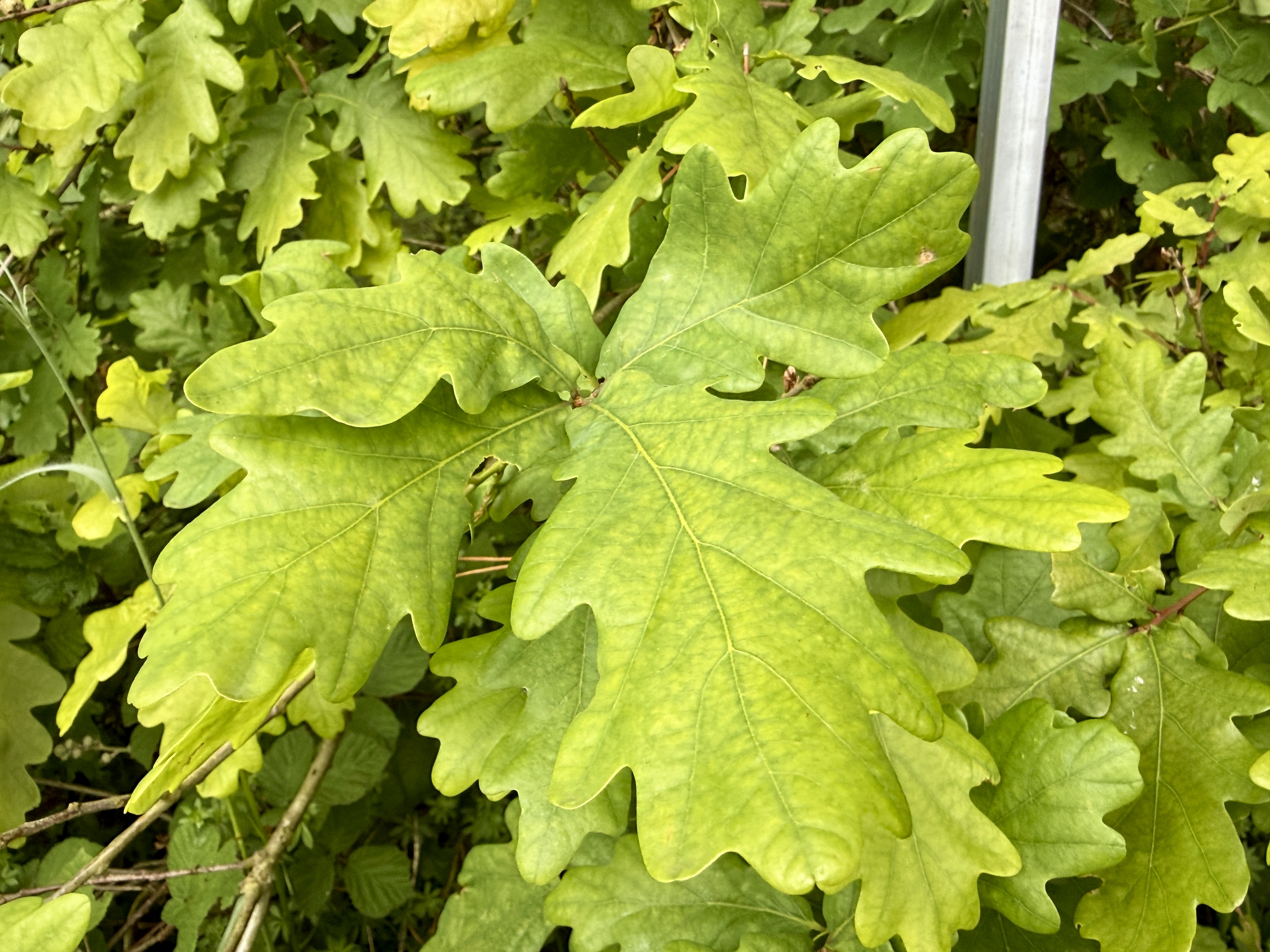
Quercus robur · English OakExplore photosynthesisMay 10, 2026, 5:12 PM
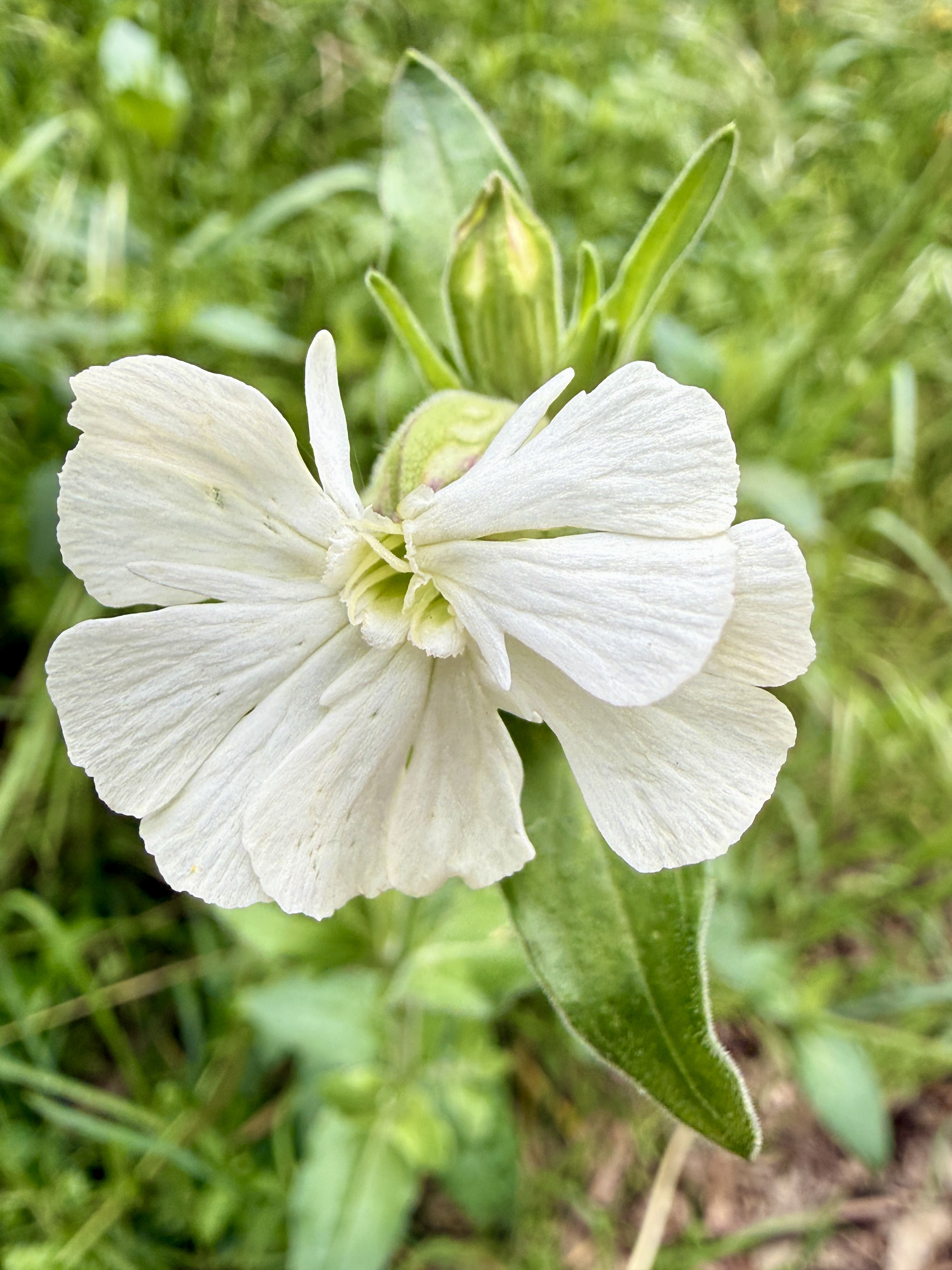
Silene virginica · Fire PinkExplore photosynthesisMay 10, 2026, 5:09 PM
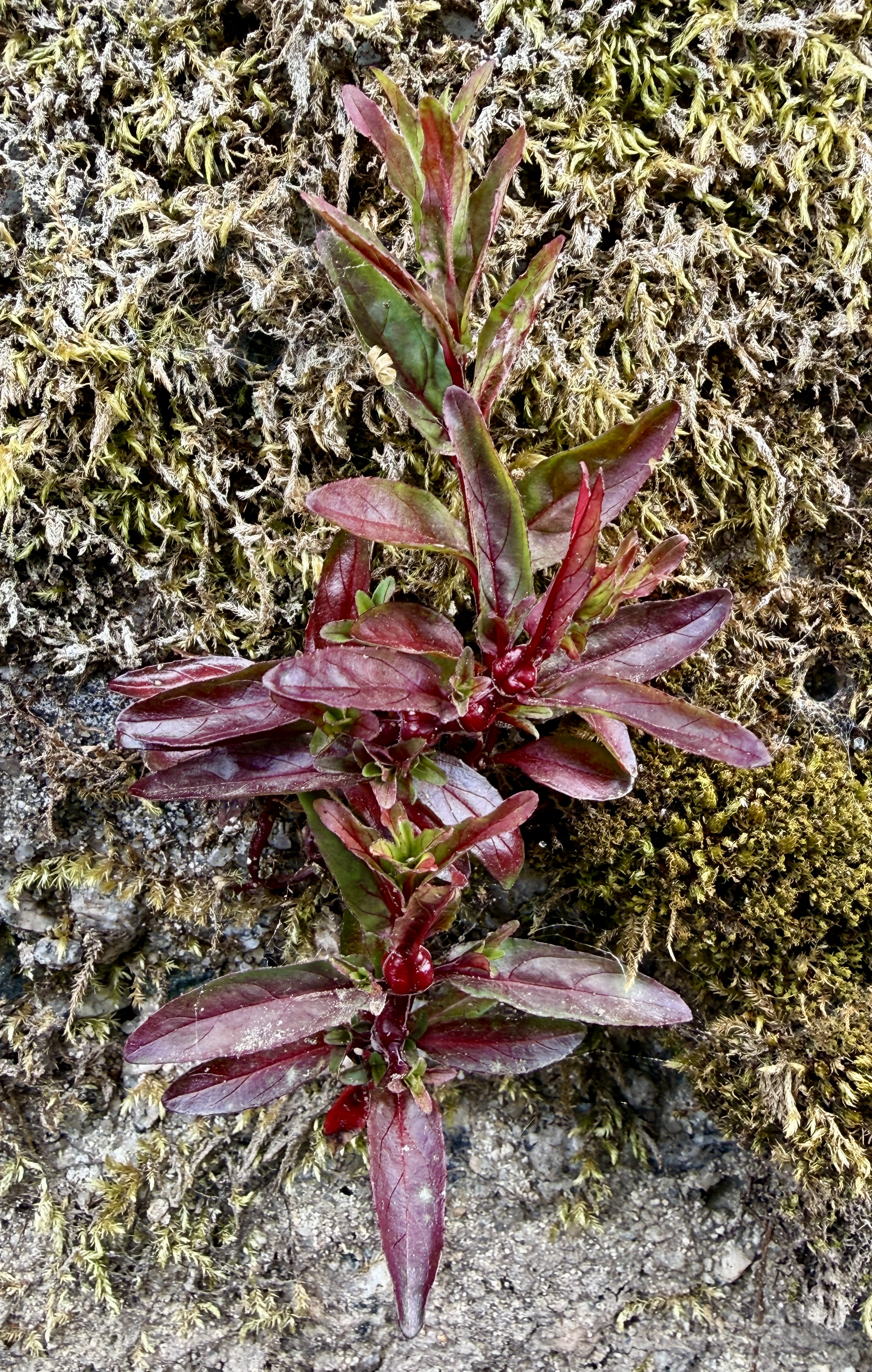
Rumex acetosella · Red sorrelExplore photosynthesisMay 10, 2026, 4:12 PM
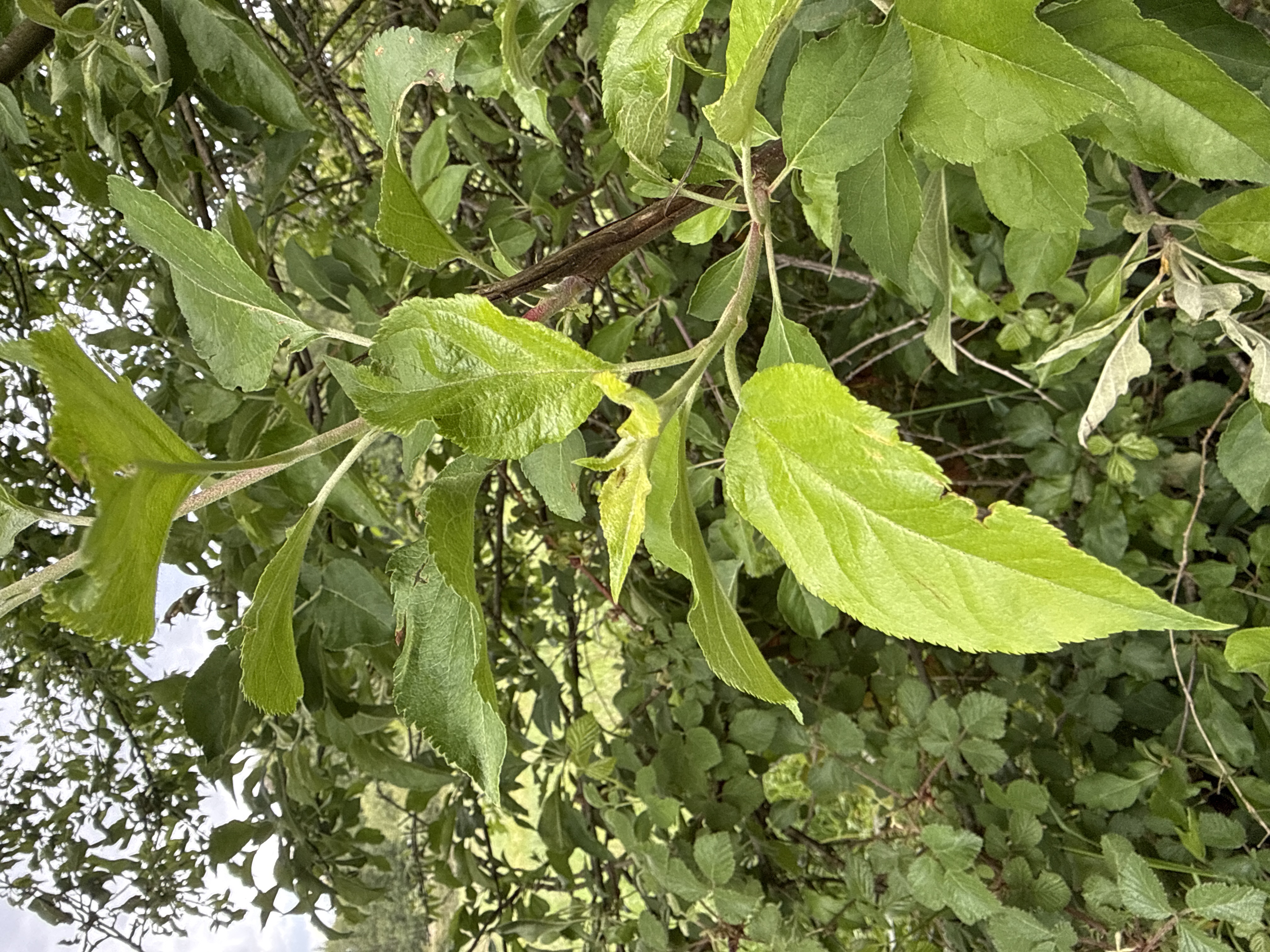
Malus domestica · AppleExplore photosynthesisuploaded May 10, 2026
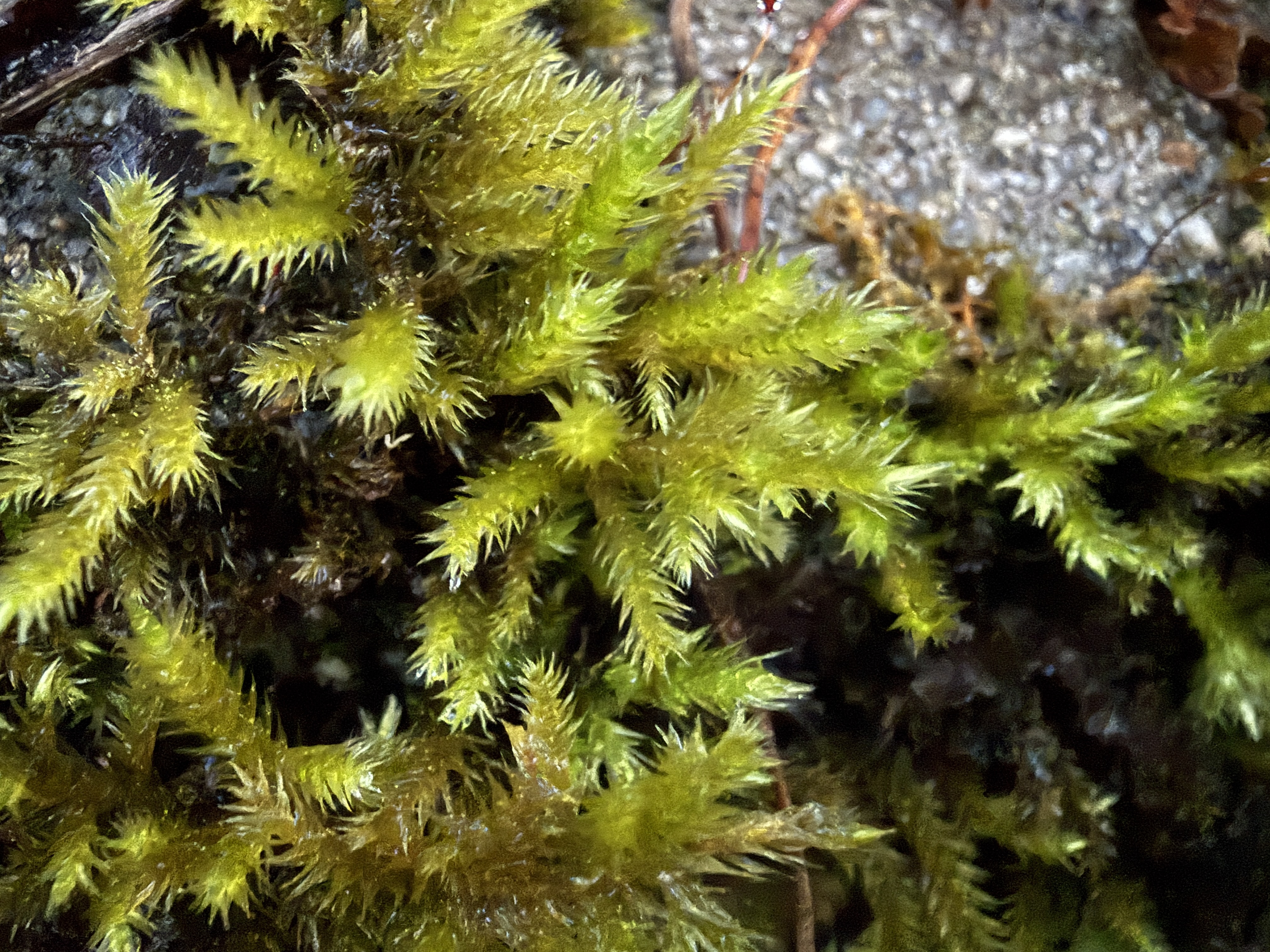
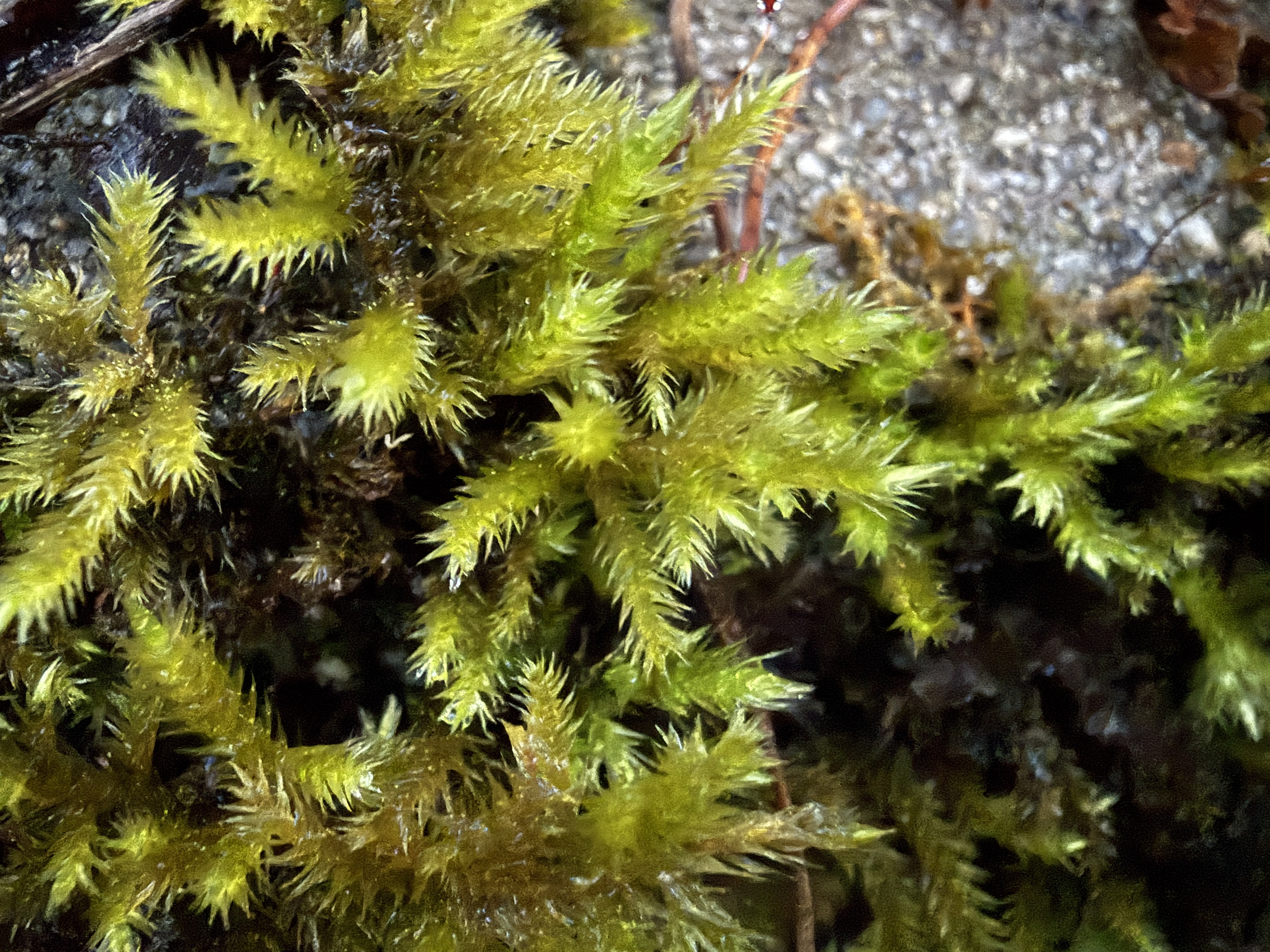
Polytrichum commune · Hair cap mossExplore photosynthesisMay 9, 2026, 7:37 PM
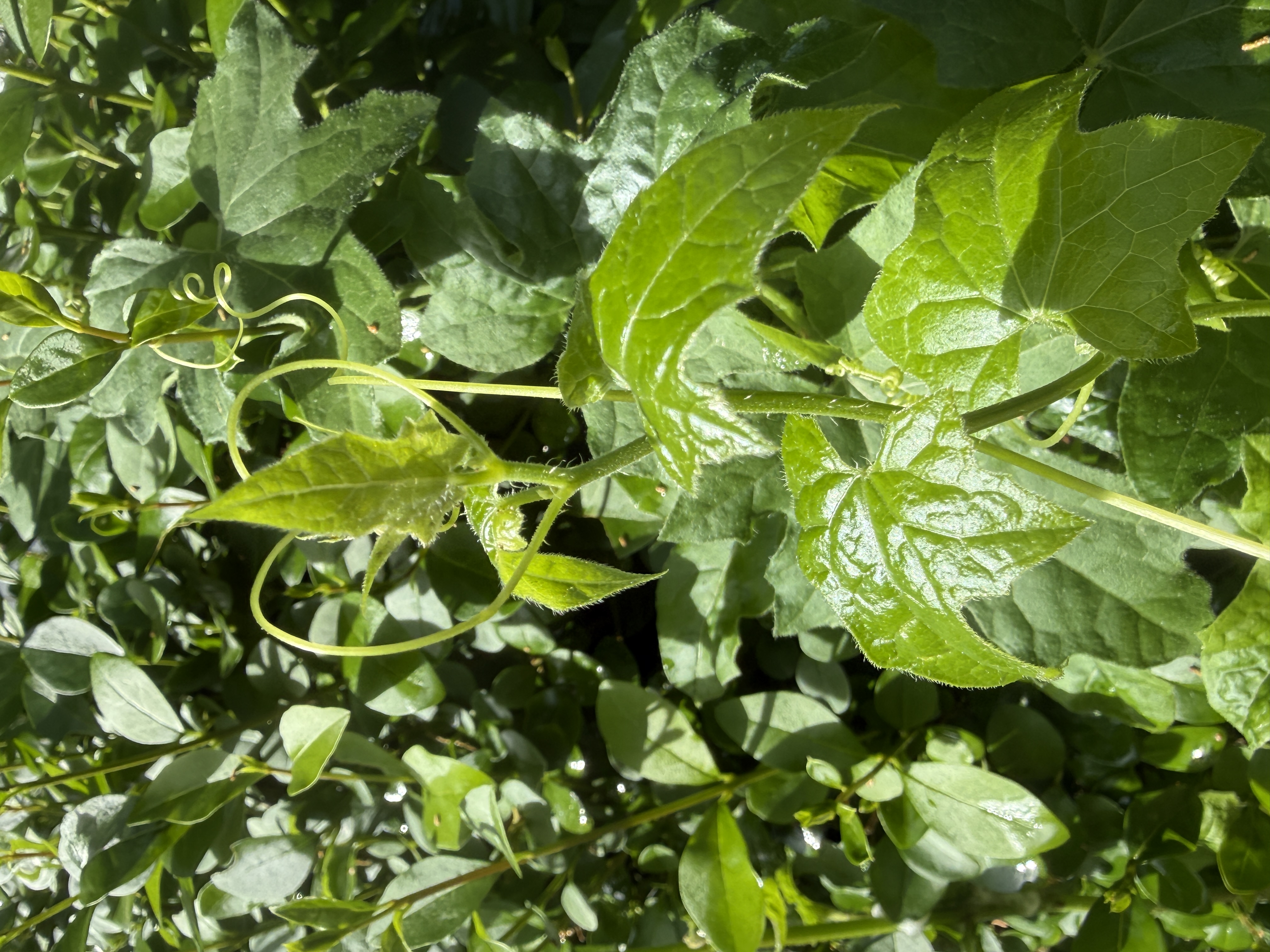
Ipomoea nil · Morning GloryExplore photosynthesisMay 10, 2026, 9:08 AM
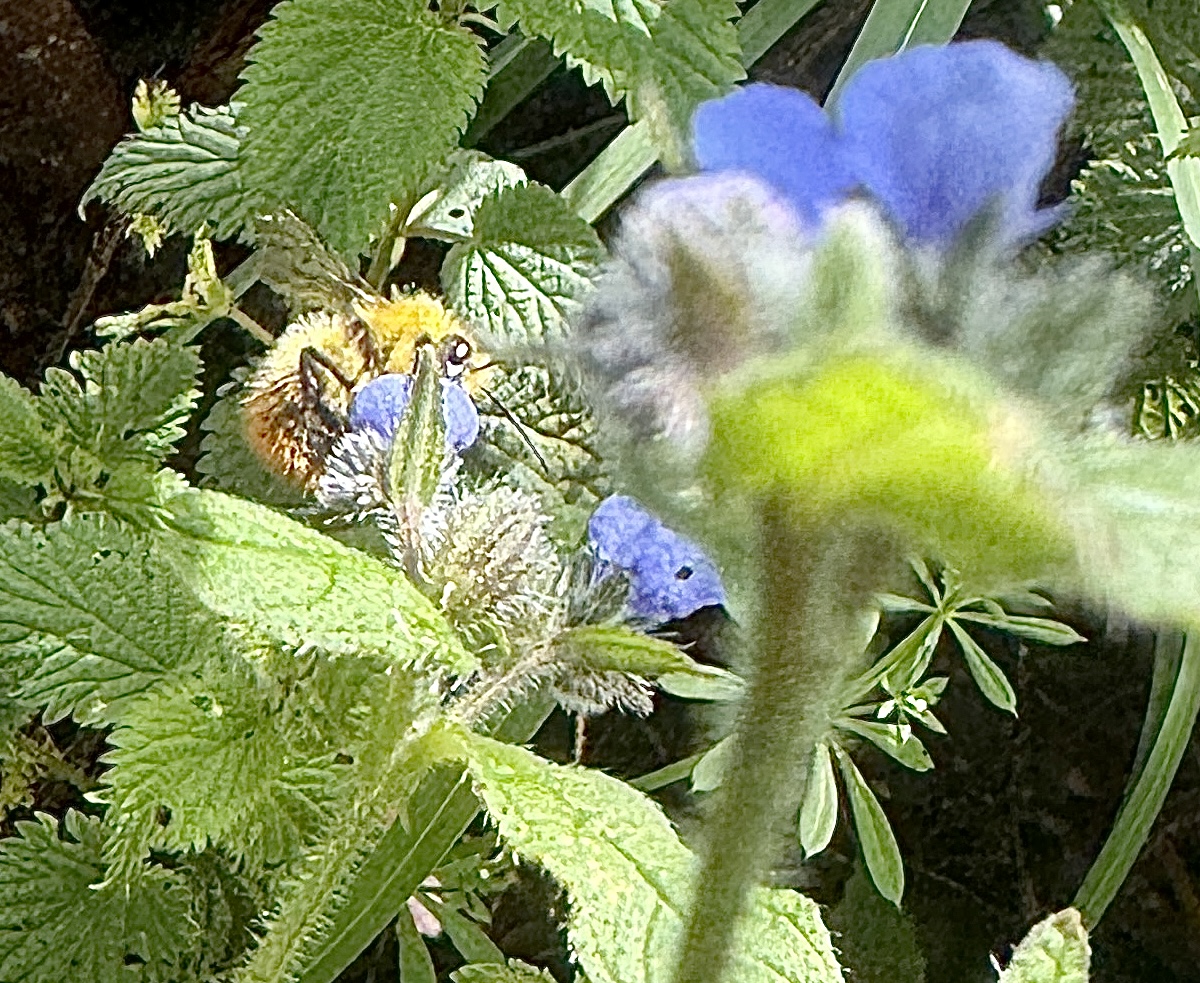
Bombus terrestris · bumblebeeMay 10, 2026, 9:07 AM
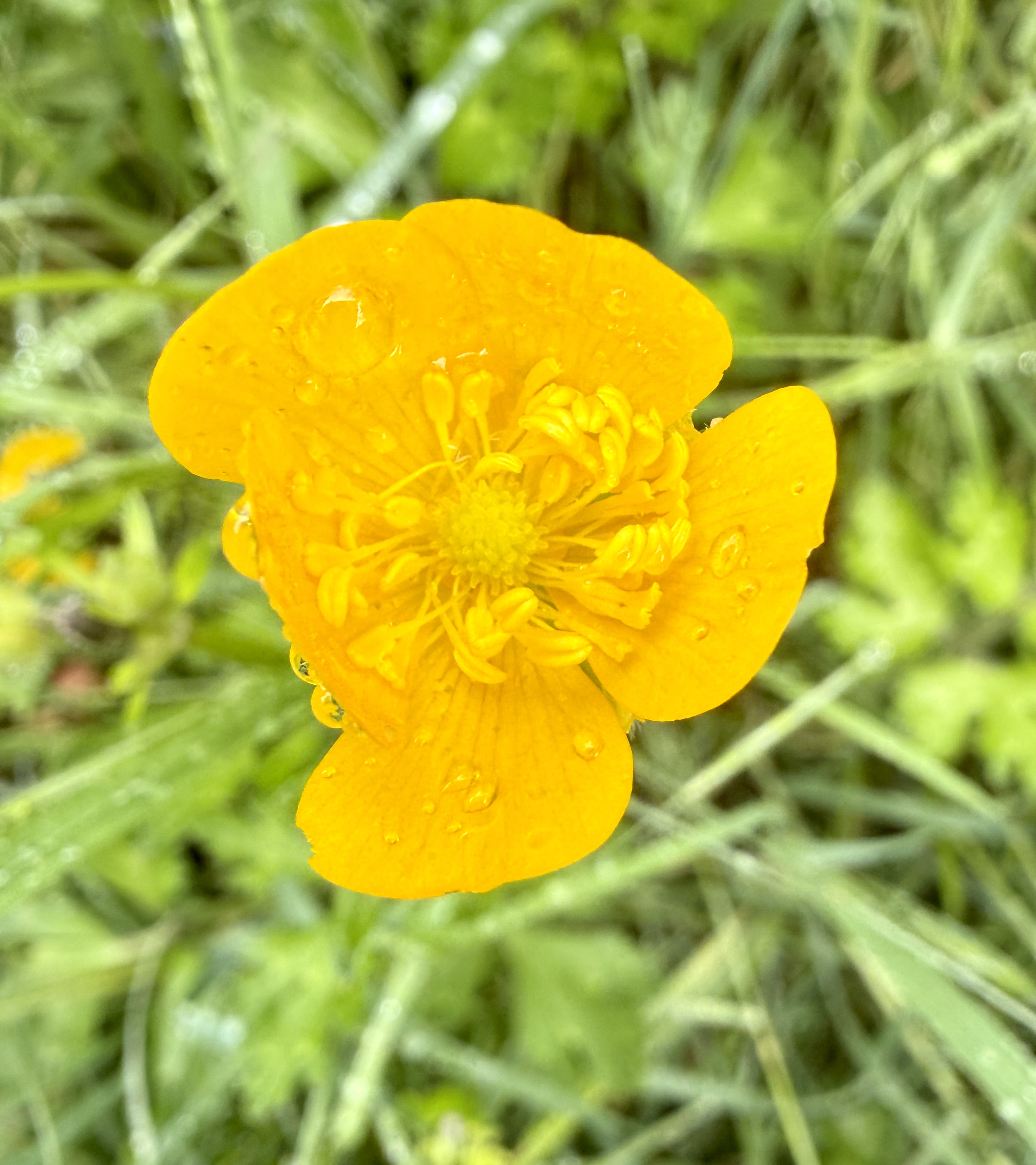
Caltha palustris · Marsh MarigoldExplore photosynthesisMay 10, 2026, 9:03 AM
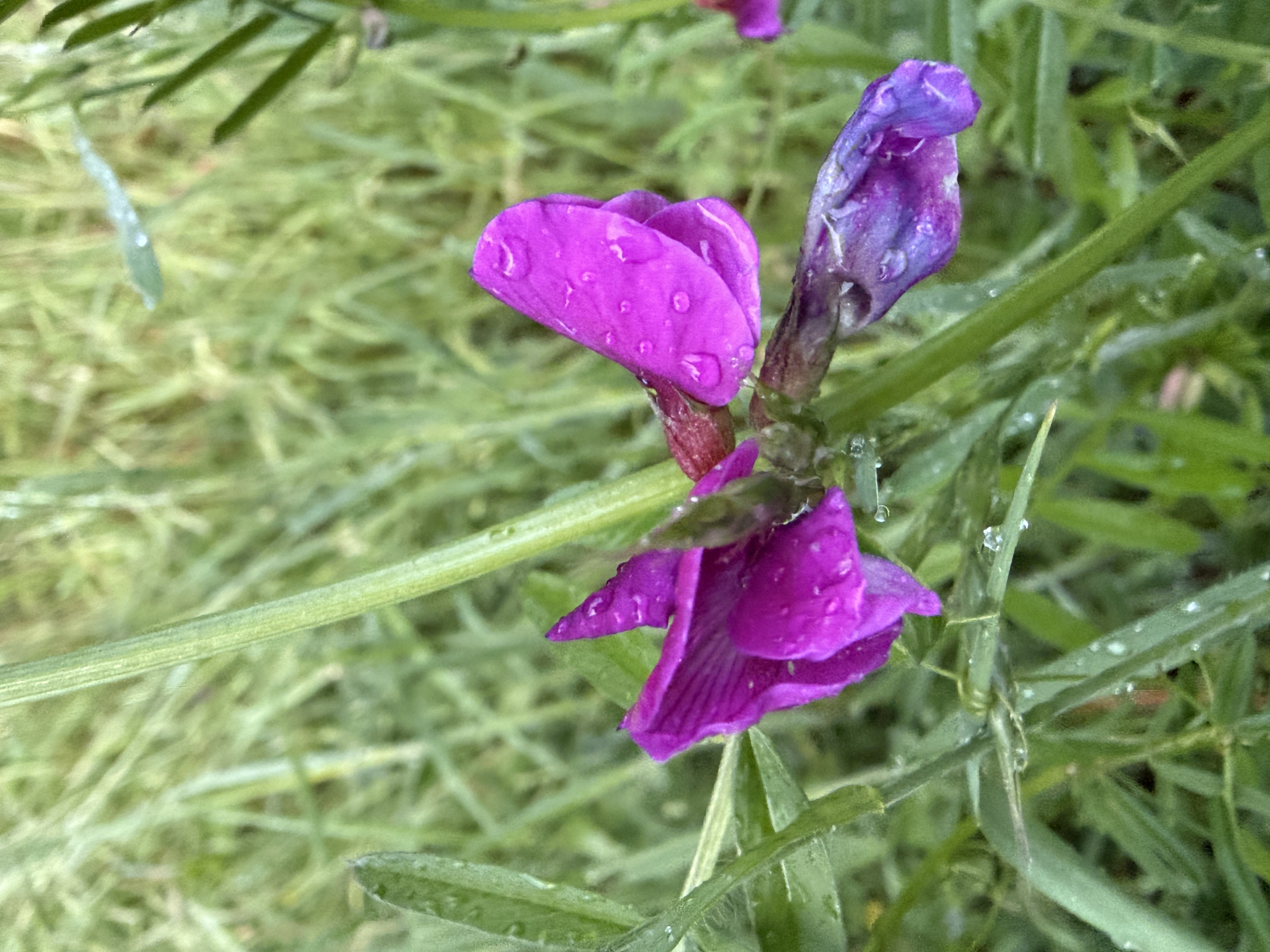
Hedysarum spinosissimum · Spiny RestharrowExplore photosynthesisMay 9, 2026, 7:28 PM
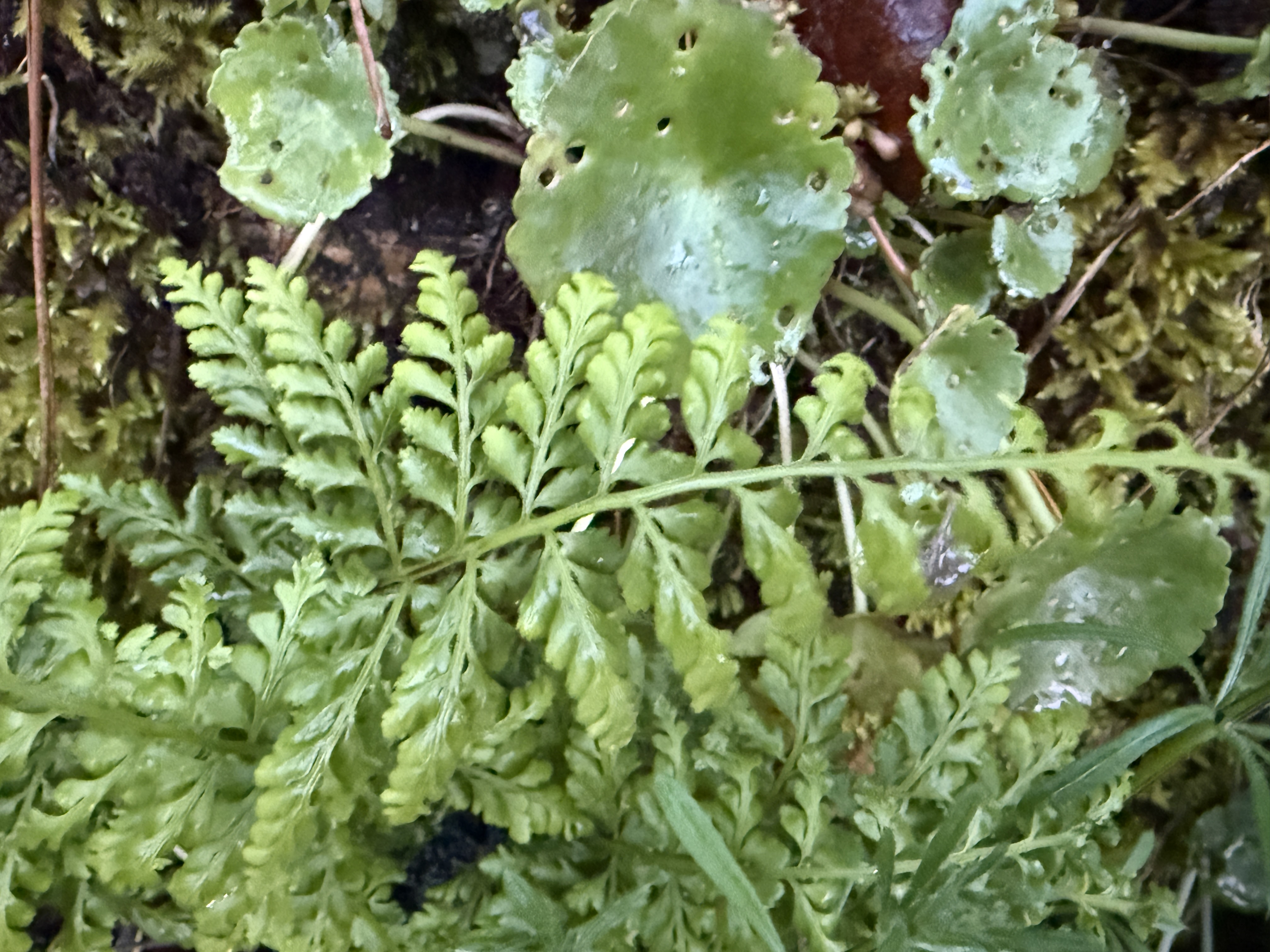
Asplenium ruta-muraria · Wall RueExplore photosynthesisMay 9, 2026, 7:36 PM
Polytrichum commune · Hair cap mossExplore photosynthesisMay 9, 2026, 7:37 PM

Ecological interactions

⬇ JSON-LD
pollinates
competes
shades
supports
  • Fire Pink (Silene virginica) pollinates bumblebee (Bombus terrestris)80%
  • Morning Glory (Ipomoea nil) pollinates bumblebee (Bombus terrestris)80%
  • Common Blue Violet (Viola sororia) pollinates bumblebee (Bombus terrestris)80%
  • Apple (Malus domestica) pollinates bumblebee (Bombus terrestris)80%
  • California sagebrush (Salvia leucophylla) pollinates bumblebee (Bombus terrestris)80%
  • California sagebrush (Salvia leucophylla) competes with Red sorrel (Rumex acetosella)40%
  • English Oak (Quercus robur) shades Hair cap moss (Polytrichum commune)40%
  • English Oak (Quercus robur) physically supports Wall Rue (Asplenium ruta-muraria)40%
  • gorse (Ulex europaeus) competes with Spiny Restharrow (Hedysarum spinosissimum)40%

Senda — speculative descendants

Speculative descendants of the species you observed, evolved against the local biome and elevation.

5/10/2026mixed:unknowncompleted
Gen 5

Urban Cliff Creeper

Asplenium urbanicum

descended from Asplenium ruta-muraria

Asplenium ruta-muraria, the Wall Rue, has adapted to thrive in the crevices of urban walls and buildings. Over time, its descendants evolved to exploit the abundance of vertical surfaces, developing stronger adhesive roots and a waxy coating to prevent water loss. The Urban Cliff Creeper can now be found clinging to the sides of skyscrapers and apartment buildings, forming dense colonies in the shaded areas.

Adhesive roots for climbingWaxy coating to prevent water loss
Gen 3

Pavement Pioneer's Heir

Chenopodium urbanum

descended from Chenopodium album

Chenopodium album, Lamb's quarters, has long been a common weed in urban areas. Its descendants have evolved to take advantage of the abundance of cracks and crevices in pavement and building foundations. The Pavement Pioneer's Heir has developed a deeper taproot to access water and a compact growth habit to withstand the constant pressure of pedestrian traffic.

Deep taproot for accessing waterCompact growth habit to withstand trampling
Gen 4

Synanthropic Spiny

Hedysarum suburbanum

descended from Hedysarum spinosissimum

Hedysarum spinosissimum, the Spiny Restharrow, has adapted to thrive in the harsh conditions of urban environments. Its descendants have evolved to take advantage of the abundance of abandoned lots and vacant areas with poor soil. The Synanthropic Spiny has developed thick, fleshy stems for water storage and broad leaves for increased photosynthesis, allowing it to outcompete other urban flora.

Thick, fleshy stems for water storageBroad leaves for increased photosynthesis
Gen 6

Urban Utility Creeper

Ipomoea urbana

descended from Ipomoea nil

Ipomoea nil, the Morning Glory, has long been a common sight in urban areas, climbing up utility lines and poles. Its descendants have evolved to take advantage of the abundance of urban infrastructure, developing adhesive tendrils for climbing and drought-tolerant roots for surviving in dry areas. The Urban Utility Creeper can now be found blanketing streetlights and building facades with its dense foliage.

Adhesive tendrils for climbingDrought-tolerant roots for surviving in dry areas
5/10/2026mixed:unknowncompleted
Gen 5

Urban Creeper

Ipomoea urbanica

descended from Ipomoea nil

As city edges expanded, Ipomoea nil found itself competing with other climbing plants for space on urban structures. Over time, its descendants adapted to the harsher conditions, developing stronger adhesive roots and more resilient leaves. They learned to exploit the abundance of organic waste and insects attracted to city lights, becoming a common sight on urban walls and rooftops.

Adhesive roots for urban surface attachmentTolerance to pollutants and heavy metalsBioluminescent flowers for nocturnal pollination
Gen 3

Rooftop Moss

Polytrichum urbanicum

descended from Polytrichum commune

Polytrichum commune colonized rooftops, where it encountered a unique set of challenges, including intense sunlight, wind, and pollution. Over generations, its descendants developed adaptations to thrive in this environment, such as deeper roots and more efficient water use. They became a key component of urban roof ecosystems, providing habitat and improving air quality.

Enhanced water retention for drought toleranceAbility to absorb and neutralize pollutants
Gen 4

Spiny Bumble Bee

Bombus spinosus

descended from Bombus terrestris

Bombus terrestris populations adapted to the urban environment, where they encountered a diverse array of flora and fauna. Over time, their descendants developed specialized traits, such as longer tongues and modified defense mechanisms, allowing them to exploit the urban resources and protect themselves from novel threats.

Elongated tongue for accessing nectar deep within flowersEnhanced social immunity to cope with urban pathogens

Synthetic landscape

Generate a naturalistic illustration of this place built from the species you identified.

Optional: pick a photo to use as a template. Composition (depth) preserves layout; Style (reference) preserves the look of the place.

No landscapes yet. Generate one to see what this place could look like.