Gen 4Cockchafer Urbanite
Melolontha urbanita
descended from Melolontha melolontha
The Cockchafer Urbanite evolved from Melolontha melolontha as a response to the urban landscape's altered vegetation structure. With the city's edge providing a mix of natural and anthropogenic pressures, this beetle adapted to thrive on urban tree species. Its specialized mouthparts and setae allow it to efficiently gather resources while detecting potential threats from urban machinery and predators.
Specialized mouthparts for scraping bark and stemsSetae for detecting vibrations from urban machinery
evolved in mixed:unknown · from "Bargas - Mercadona - Camino colesterol"
Gen 3Suburban Clicker
Trichiotinus suburbanus
descended from Trichiotinus bicolor
The Suburban Clicker descended from Trichiotinus bicolor, adapting to the abundance of flowers in urban gardens and parks. Its modified proboscis and microtrichia allow it to efficiently gather resources while minimizing exposure to pollutants. The warning coloration and modified click mechanism serve as effective deterrents against urban predators, such as birds and other insects.
Specialized proboscis for accessing nectar deep within flowersMicrotrichia for filtering urban pollutants from pollen
evolved in mixed:unknown · from "Bargas - Mercadona - Camino colesterol"
 Gen 5
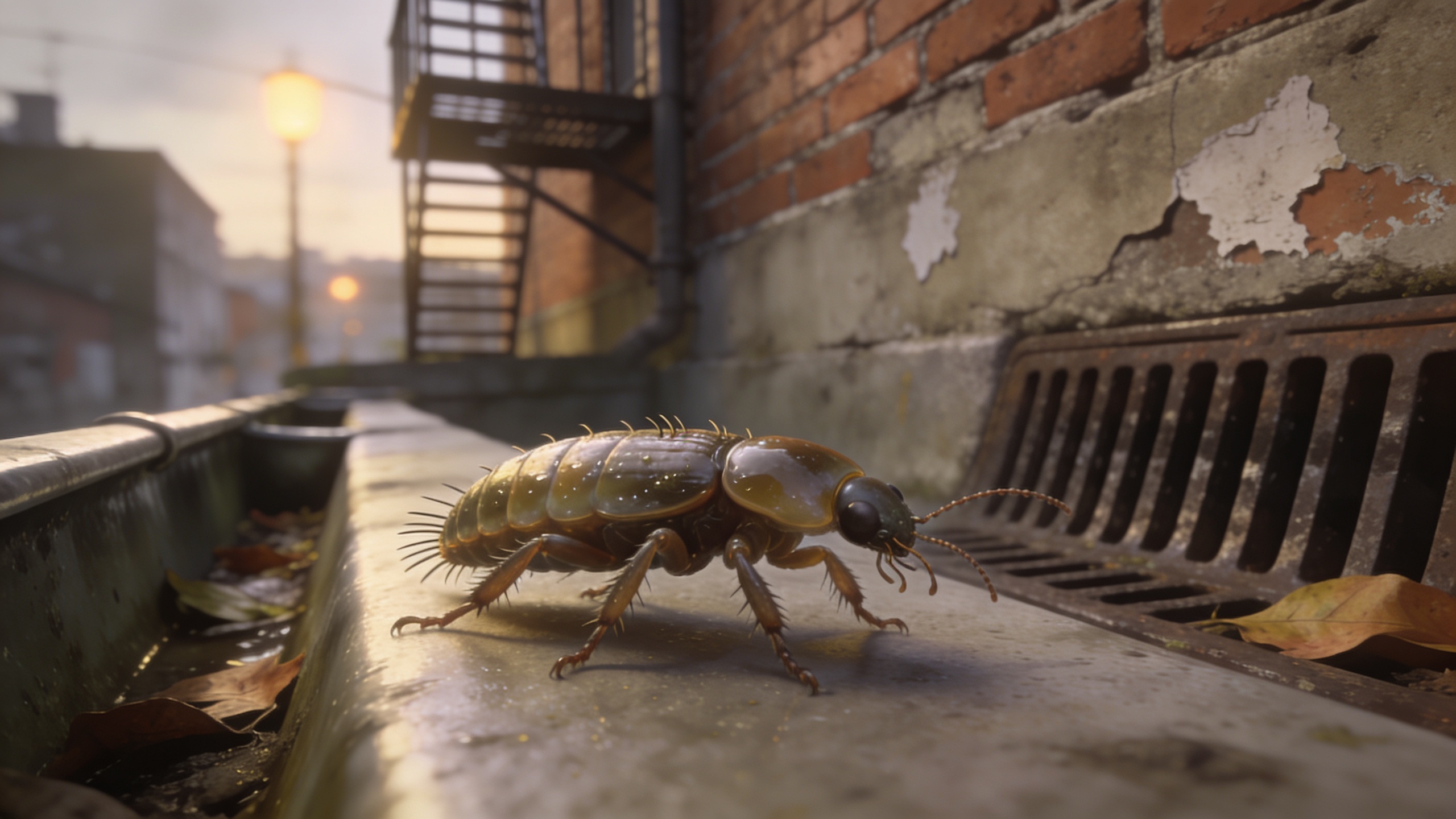
Gen 5Urban Scavenger Beetle
Asellus urbanicus
descended from Asellus spp.
The Urban Scavenger Beetle evolved from Asellus spp. as a response to the abundance of food waste in urban areas. With the city's edge providing a mix of natural and anthropogenic pressures, this beetle adapted to thrive in the moist environments of drainage channels and alleyways. Its enhanced sensory organs and specialized setae allow it to exploit food sources while filtering out pollutants. Over time, its exoskeleton strengthened to protect against urban predators and harsh environmental conditions.
Enhanced sensory organs to detect food wasteSpecialized setae for filtering pollutants from ingested matter
evolved in mixed:unknown · from "Bargas - Mercadona - Camino colesterol"
Gen 6Urban Utility Creeper
Ipomoea urbana
descended from Ipomoea nil
Ipomoea nil, the Morning Glory, has long been a common sight in urban areas, climbing up utility lines and poles. Its descendants have evolved to take advantage of the abundance of urban infrastructure, developing adhesive tendrils for climbing and drought-tolerant roots for surviving in dry areas. The Urban Utility Creeper can now be found blanketing streetlights and building facades with its dense foliage.
Adhesive tendrils for climbingDrought-tolerant roots for surviving in dry areas
evolved in mixed:unknown · from "Fente 1"
Gen 4Synanthropic Spiny
Hedysarum suburbanum
descended from Hedysarum spinosissimum
Hedysarum spinosissimum, the Spiny Restharrow, has adapted to thrive in the harsh conditions of urban environments. Its descendants have evolved to take advantage of the abundance of abandoned lots and vacant areas with poor soil. The Synanthropic Spiny has developed thick, fleshy stems for water storage and broad leaves for increased photosynthesis, allowing it to outcompete other urban flora.
Thick, fleshy stems for water storageBroad leaves for increased photosynthesis
evolved in mixed:unknown · from "Fente 1"
Gen 3Pavement Pioneer's Heir
Chenopodium urbanum
descended from Chenopodium album
Chenopodium album, Lamb's quarters, has long been a common weed in urban areas. Its descendants have evolved to take advantage of the abundance of cracks and crevices in pavement and building foundations. The Pavement Pioneer's Heir has developed a deeper taproot to access water and a compact growth habit to withstand the constant pressure of pedestrian traffic.
Deep taproot for accessing waterCompact growth habit to withstand trampling
evolved in mixed:unknown · from "Fente 1"
Gen 5Urban Cliff Creeper
Asplenium urbanicum
descended from Asplenium ruta-muraria
Asplenium ruta-muraria, the Wall Rue, has adapted to thrive in the crevices of urban walls and buildings. Over time, its descendants evolved to exploit the abundance of vertical surfaces, developing stronger adhesive roots and a waxy coating to prevent water loss. The Urban Cliff Creeper can now be found clinging to the sides of skyscrapers and apartment buildings, forming dense colonies in the shaded areas.
Adhesive roots for climbingWaxy coating to prevent water loss
evolved in mixed:unknown · from "Fente 1"
 Gen 4
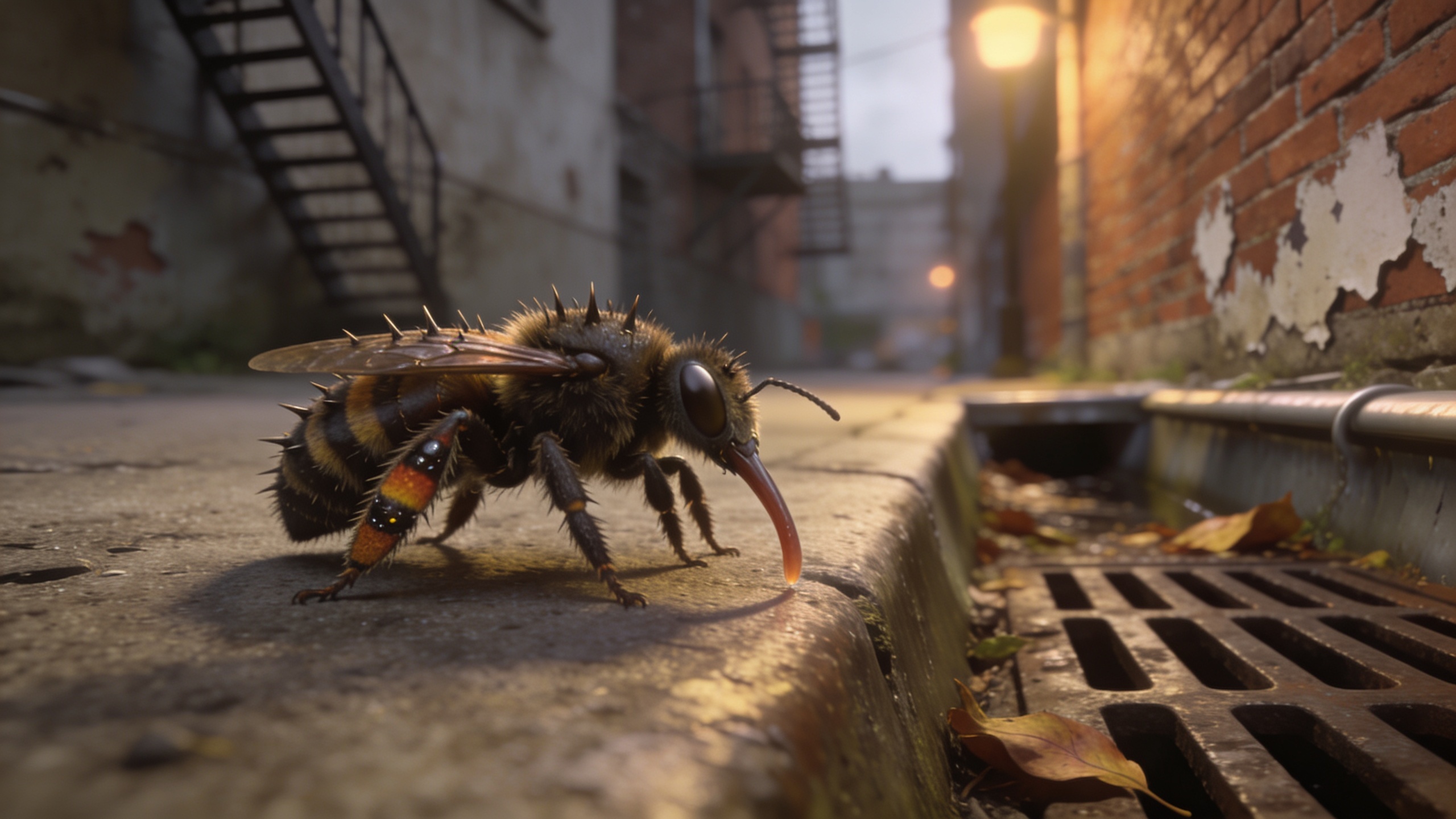
Gen 4Spiny Bumble Bee
Bombus spinosus
descended from Bombus terrestris
Bombus terrestris populations adapted to the urban environment, where they encountered a diverse array of flora and fauna. Over time, their descendants developed specialized traits, such as longer tongues and modified defense mechanisms, allowing them to exploit the urban resources and protect themselves from novel threats.
Elongated tongue for accessing nectar deep within flowersEnhanced social immunity to cope with urban pathogens
evolved in mixed:unknown · from "Fente 1"
 Gen 3
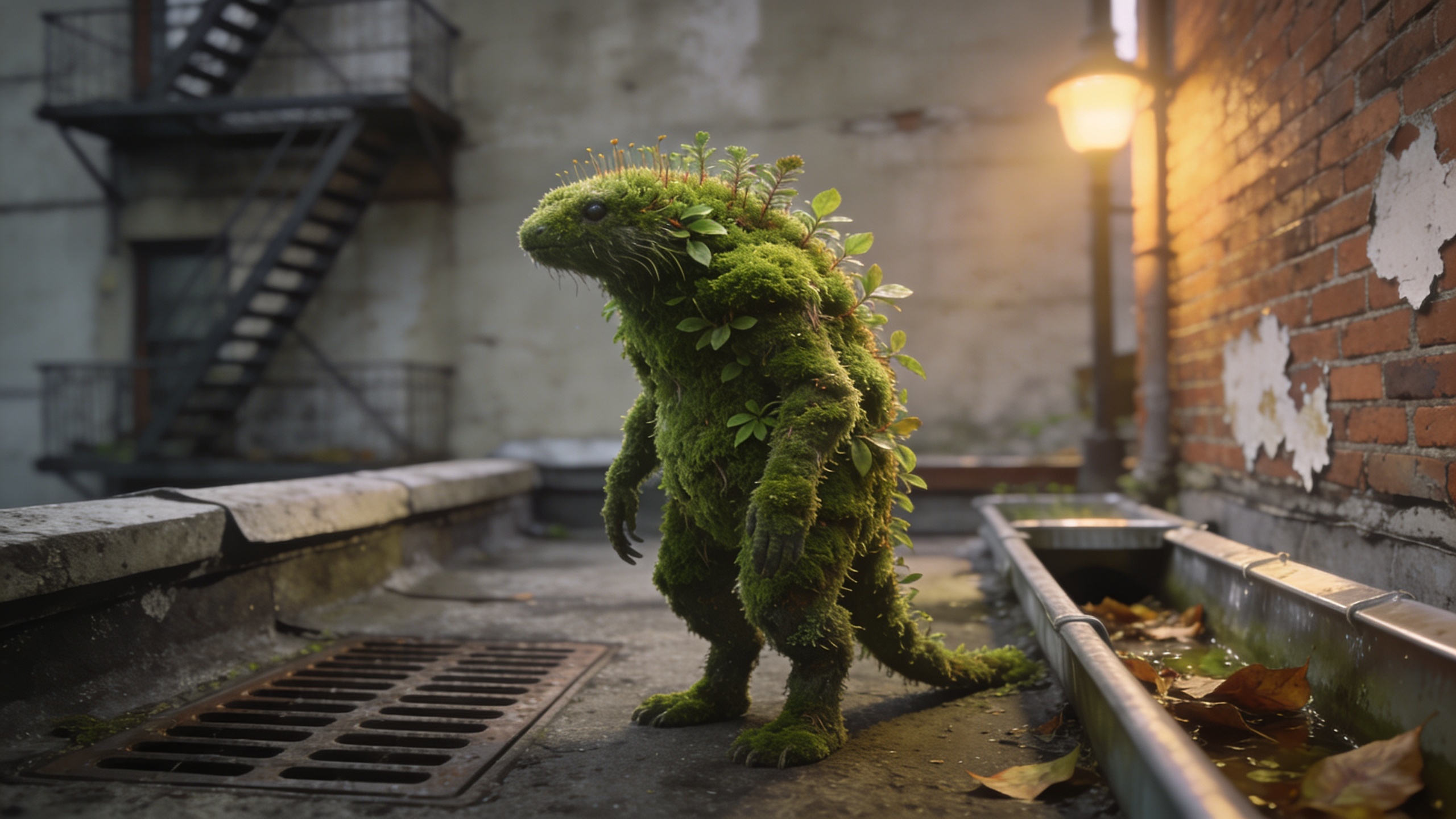
Gen 3Rooftop Moss
Polytrichum urbanicum
descended from Polytrichum commune
Polytrichum commune colonized rooftops, where it encountered a unique set of challenges, including intense sunlight, wind, and pollution. Over generations, its descendants developed adaptations to thrive in this environment, such as deeper roots and more efficient water use. They became a key component of urban roof ecosystems, providing habitat and improving air quality.
Enhanced water retention for drought toleranceAbility to absorb and neutralize pollutants
evolved in mixed:unknown · from "Fente 1"
Gen 5Urban Creeper
Ipomoea urbanica
descended from Ipomoea nil
As city edges expanded, Ipomoea nil found itself competing with other climbing plants for space on urban structures. Over time, its descendants adapted to the harsher conditions, developing stronger adhesive roots and more resilient leaves. They learned to exploit the abundance of organic waste and insects attracted to city lights, becoming a common sight on urban walls and rooftops.
Adhesive roots for urban surface attachmentTolerance to pollutants and heavy metalsBioluminescent flowers for nocturnal pollination
evolved in mixed:unknown · from "Fente 1"
 Gen 3
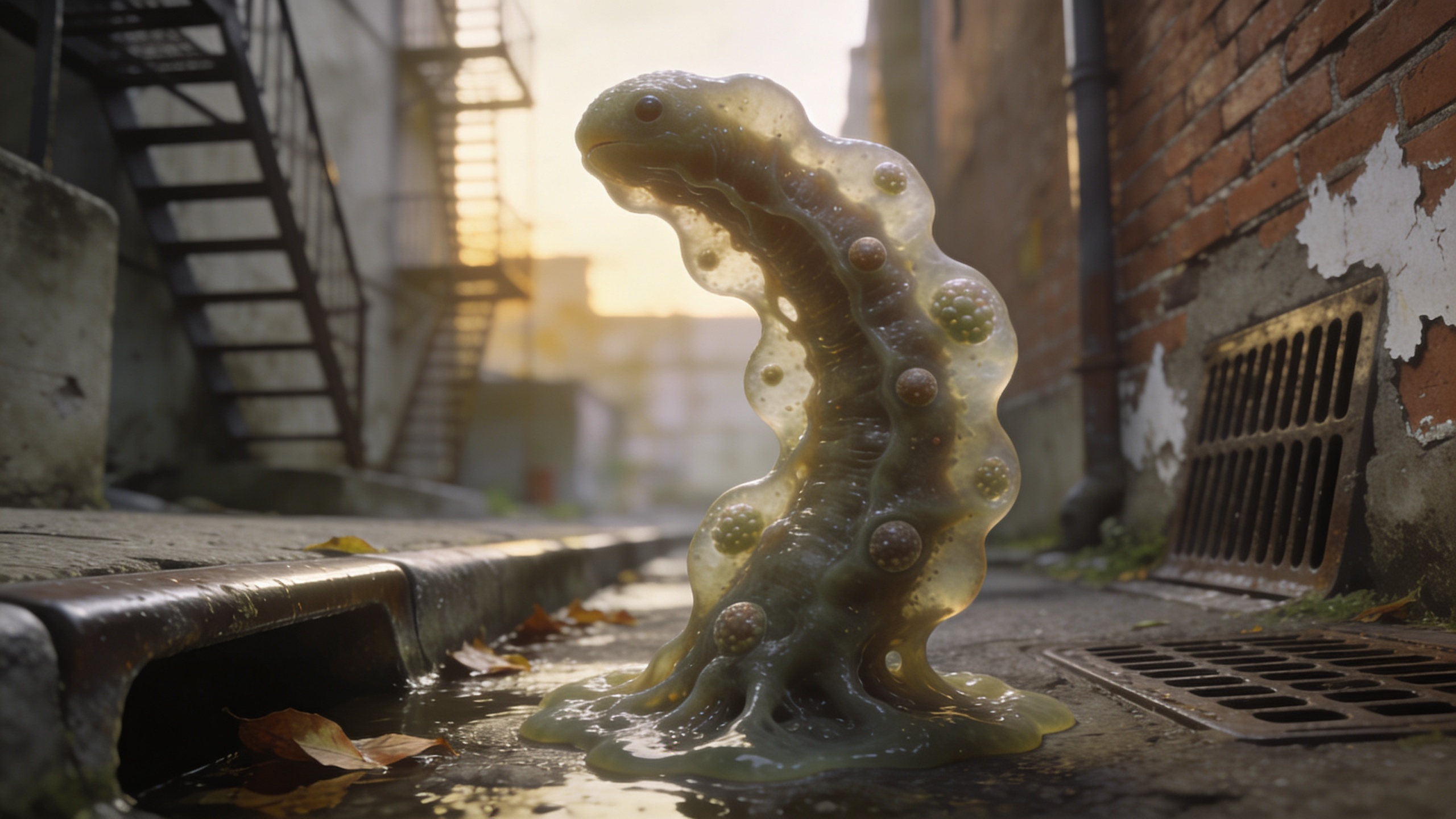
Gen 3Drainage Channel Slime Mold
Fuligo urbanica
descended from Fuligo septica
In response to the changed urban hydrology, Fuligo septica evolved to thrive in the wet, nutrient-rich environments of drainage channels and storm drains. The Drainage Channel Slime Mold developed the ability to form protective cysts and to feed on the abundant bacteria, fungi, and organic matter present in urban runoff, allowing it to dominate in these areas.
ability to thrive in nutrient-rich urban runoffprotective cysts
evolved in mixed:unknown · from "Bargas - casa- camino colesterol 1"
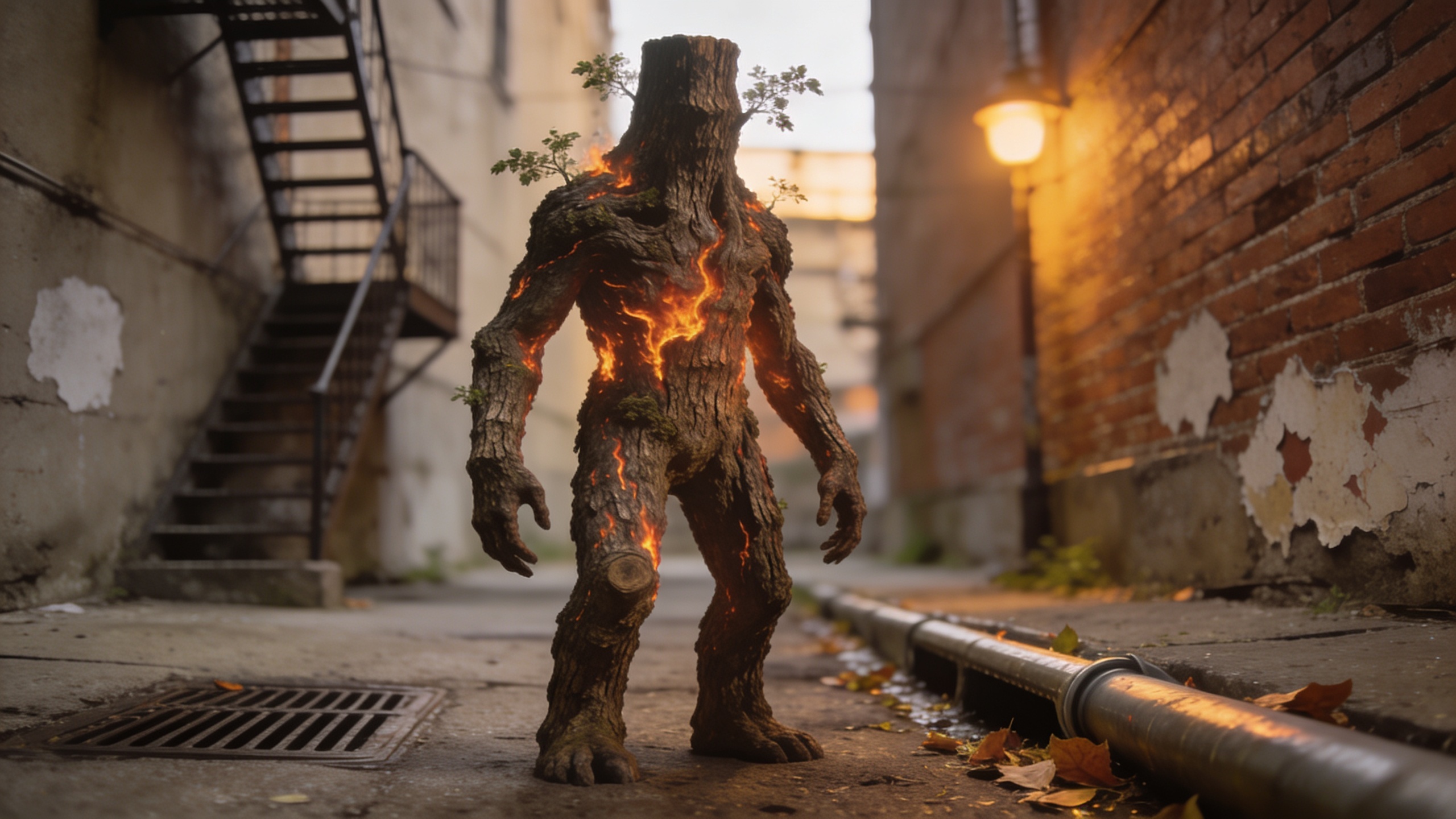 Gen 10
Fire-resistant Hackberry
Celtis ignisresistens
descended from Celtis pallida
As urban development increased the frequency and intensity of fires, Celtis pallida adapted to become more resilient. The Fire-resistant Hackberry evolved thick bark to protect itself from fires and developed the ability to resprout quickly, allowing it to dominate in areas where fires were more common, such as parks and traffic islands.
thick barkrapid resprouting ability
evolved in mixed:unknown · from "Bargas - casa- camino colesterol 1"
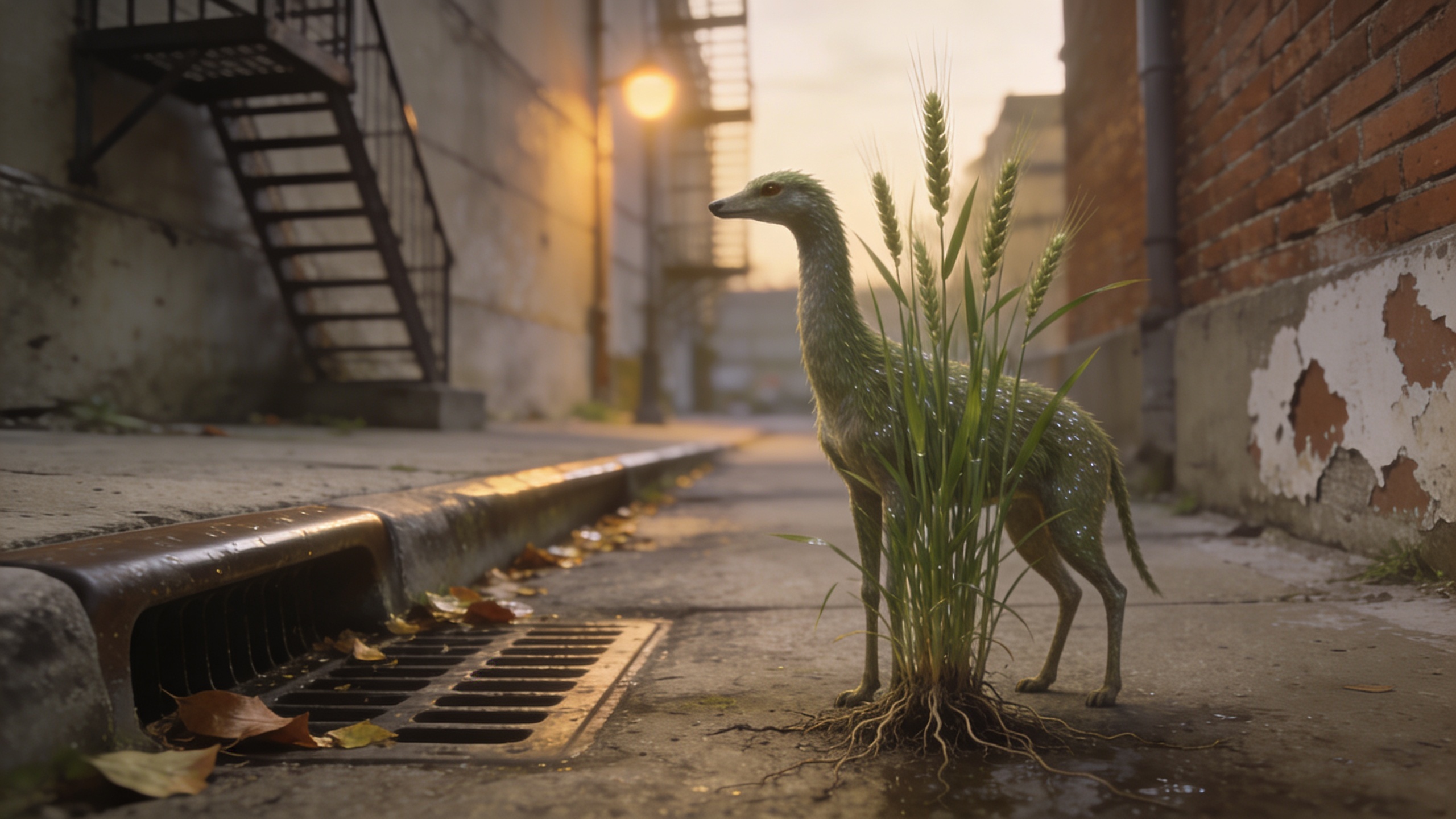 Gen 8
Gen 8Rust-resistant Wheatgrass
Elymus urbanorusticus
descended from Elymus
In response to the urban environment's altered hydrology and increased pollution, Elymus evolved into a more resilient form. The Rust-resistant Wheatgrass developed deeper roots to access water deep in the soil and a waxy coating on its leaves to prevent water loss. This allowed it to thrive in areas where other plants struggled to survive, such as abandoned lots and along roadsides.
increased root depth to access waterwaxy coating on leaves to prevent water loss
evolved in mixed:unknown · from "Bargas - casa- camino colesterol 1"
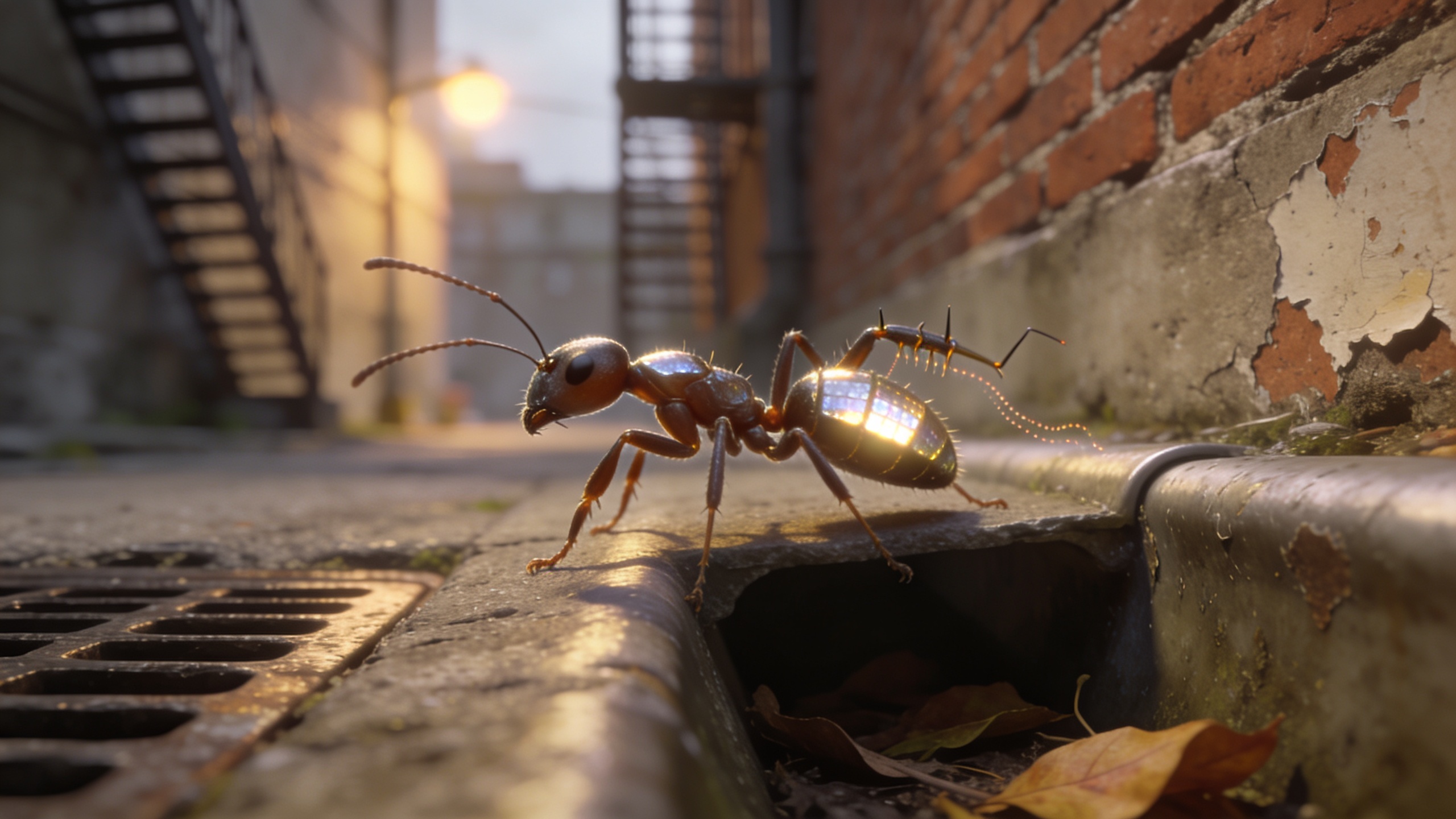 Gen 5
Gen 5Urban Shield Ant
Monomorium urbanicum
descended from Monomorium minimum
As urban development intensified, Monomorium minimum adapted to exploit new food sources and habitats. They began to thrive in the warm, sheltered environments of buildings and rooftops, developing a reflective exoskeleton to cope with intense sunlight and a modified defense mechanism to deter larger urban predators. Over generations, they evolved to communicate more effectively, using chemical signals to recruit to food sources.
reflector-like sheen on exoskeleton to reflect sunlightchemical signals for recruitment to food sources
evolved in mixed:unknown · from "Bargas - casa- camino colesterol 1"
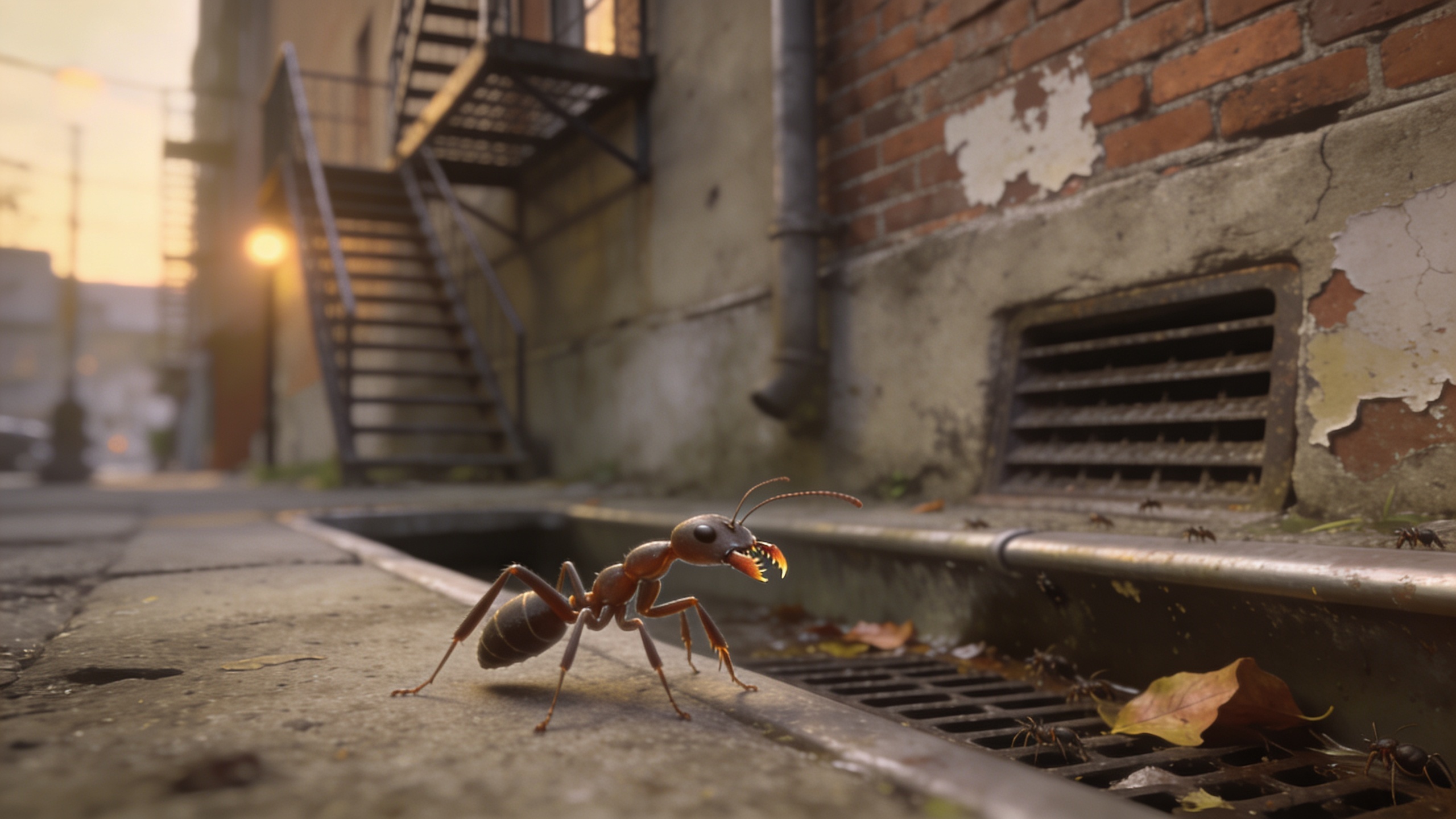 Gen 6
Gen 6Synanthropic Ant
Formica synanthropica
descended from Formica fusca
The Formica synanthropica descended from Formica fusca, adapting to the urban environment with its unique selective pressures. They developed a more complex social structure to coordinate foraging efforts and exploit the abundant food sources available in urban areas, while their modified mandibles allowed them to defend themselves against predators and competitors.
Enhanced social structure for cooperative foragingSpecialized castes for different foraging tasksAbility to navigate urban terrain using visual cues
evolved in mixed:unknown · from "Bargas casa - farmacia - mercadona 2"
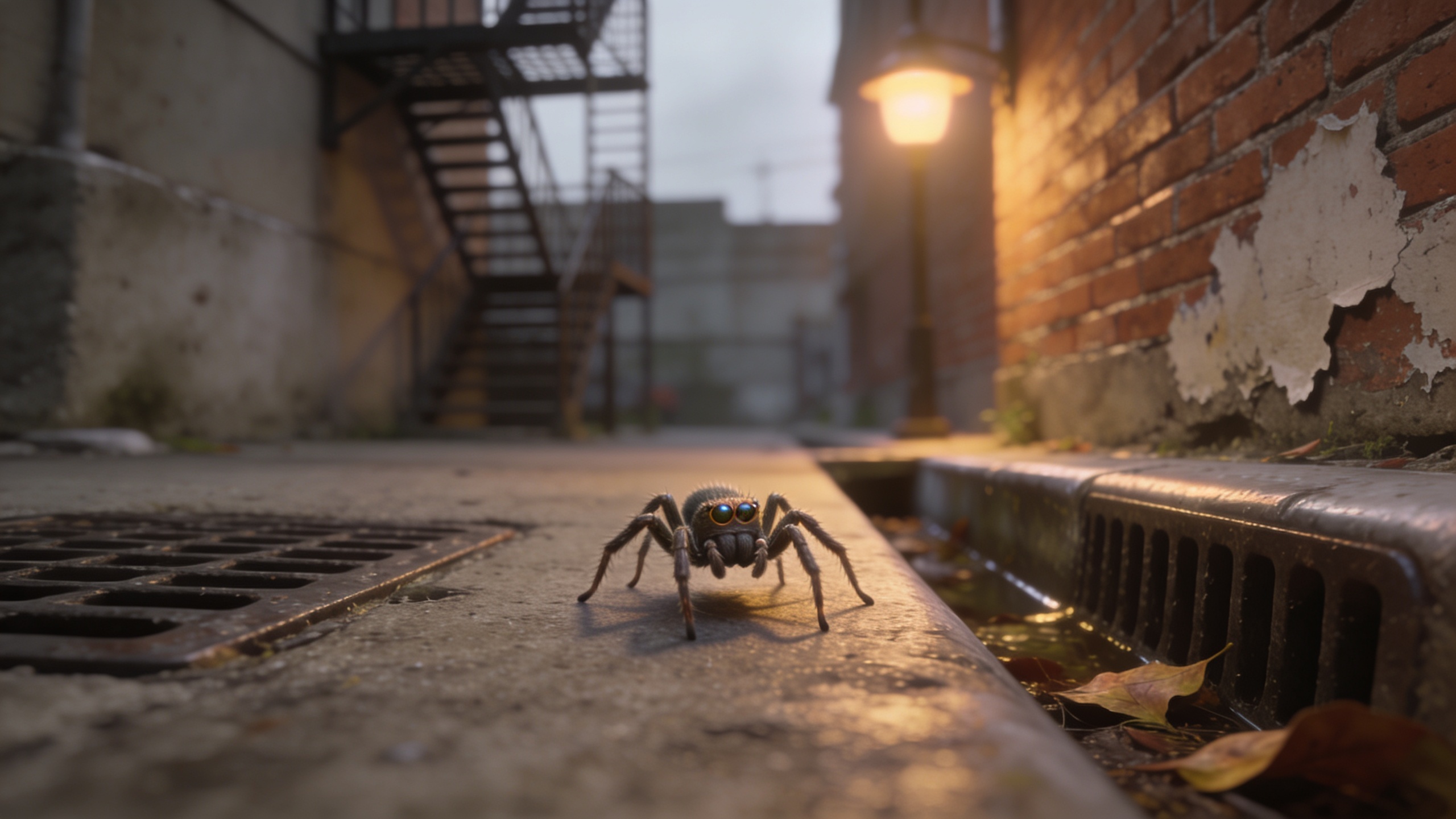 Gen 4
Gen 4City Spider
Araneae urbanica
descended from Araneae
The Araneae urbanica evolved from Araneae in response to the urban light pollution and abundance of insects attracted to streetlights. Over generations, they adapted to construct webs that maximized prey capture in these environments, while their enhanced eyesight allowed them to detect and capture prey more effectively.
Enhanced eyesight for detecting prey under streetlightsSpecialized silk for web constructionAbility to adjust web size and shape according to urban prey availability
evolved in mixed:unknown · from "Bargas casa - farmacia - mercadona 2"
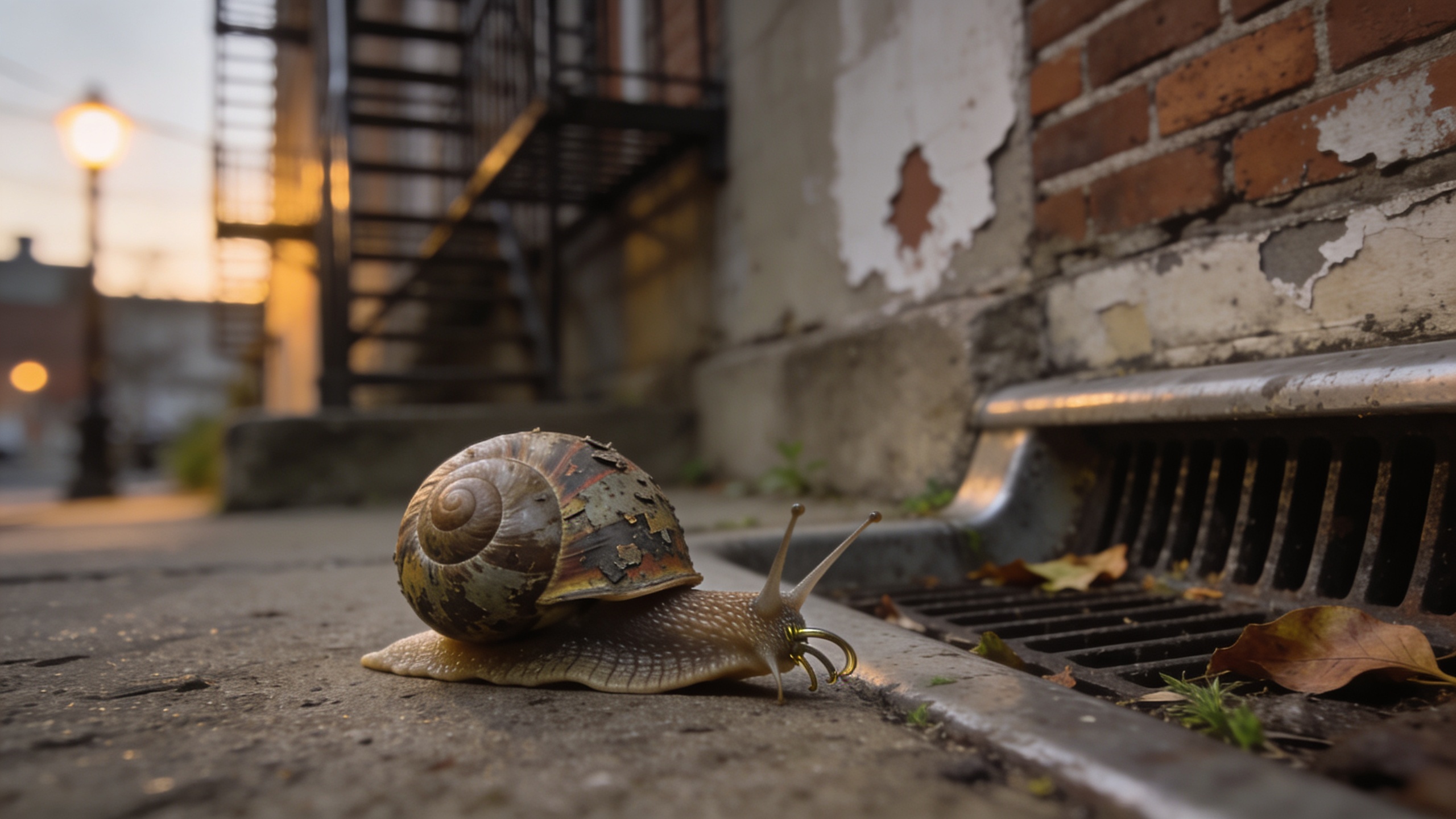 Gen 3
Gen 3Suburban Snail
Cornu suburbanum
descended from Cornu aspersum
The Cornu suburbanum descended from Cornu aspersum, adapting to the suburban environment with its unique selective pressures. They developed a thicker shell to protect themselves from predators and harsh weather conditions, while their specialized radula allowed them to feed on the diverse array of ornamental plants found in suburban gardens.
Specialized radula for eating ornamental plantsAbility to estivate during extreme heatShell patterns reflecting urban pollution levels
evolved in mixed:unknown · from "Bargas casa - farmacia - mercadona 2"
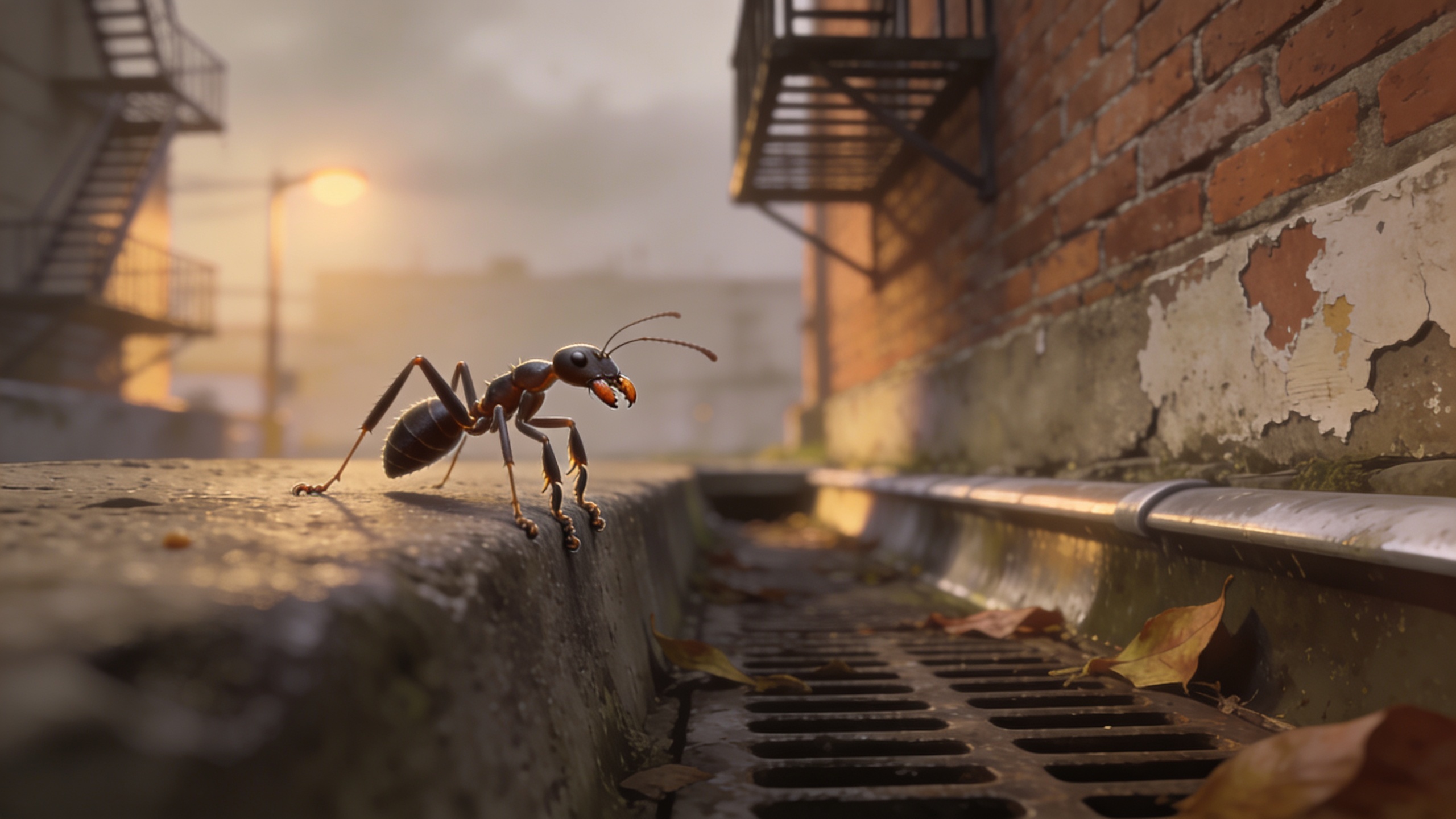 Gen 5
Gen 5Urban Cliff Ant
Monomorium urbanicum
descended from Monomorium minimum
The Monomorium urbanicum evolved from Monomorium minimum in response to the urban heat island effect and increased availability of human waste. Over generations, they adapted to exploit the abundant food sources and shelter provided by urban infrastructure. Their modified legs allowed them to climb and navigate the complex urban terrain, while their enhanced chemical communication enabled them to coordinate and defend their colonies more effectively.
Enhanced chemical communicationSpecialized tarsi for gripping smooth surfacesDarker exoskeleton for heat absorption
evolved in mixed:unknown · from "Bargas casa - farmacia - mercadona 2"
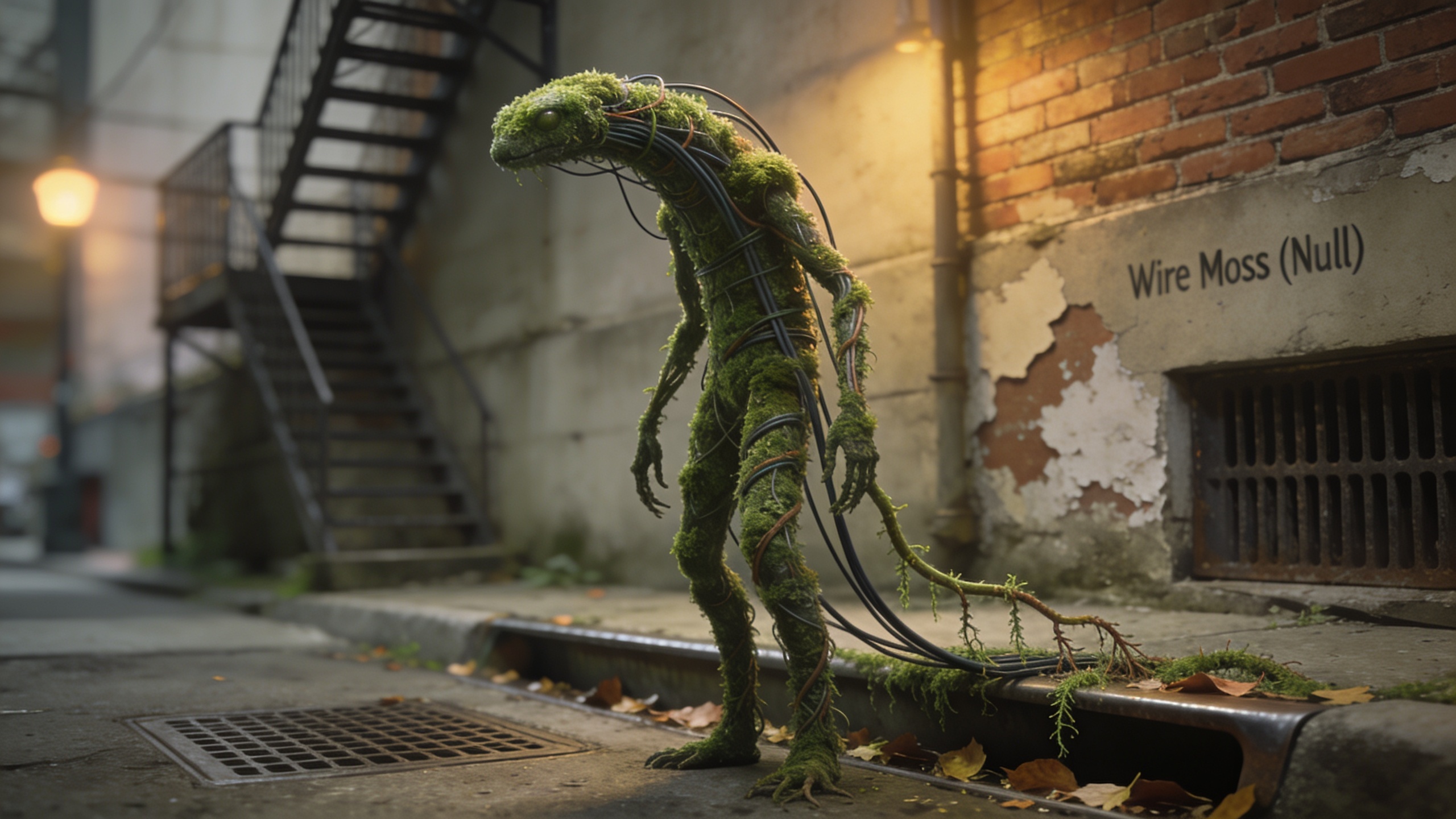 Gen 6
Gen 6Wire Moss
Null
descended from Bryum argenteum
The Wire Moss is a hypothetical descendant of Bryum argenteum, thriving in the most peculiar urban niches. It adapted to life on utility wires and narrow ledges, developing flexible stems and specialized rhizoids to adhere to surfaces. Its cells contain protective compounds against the unique stresses of the urban electromagnetic environment.
Stems can adhere to surfaces through modified rhizoidsCells contain compounds to protect against electromagnetic radiation
evolved in urban · from "Bargas - parque - Mercadona 1"
 Gen 4
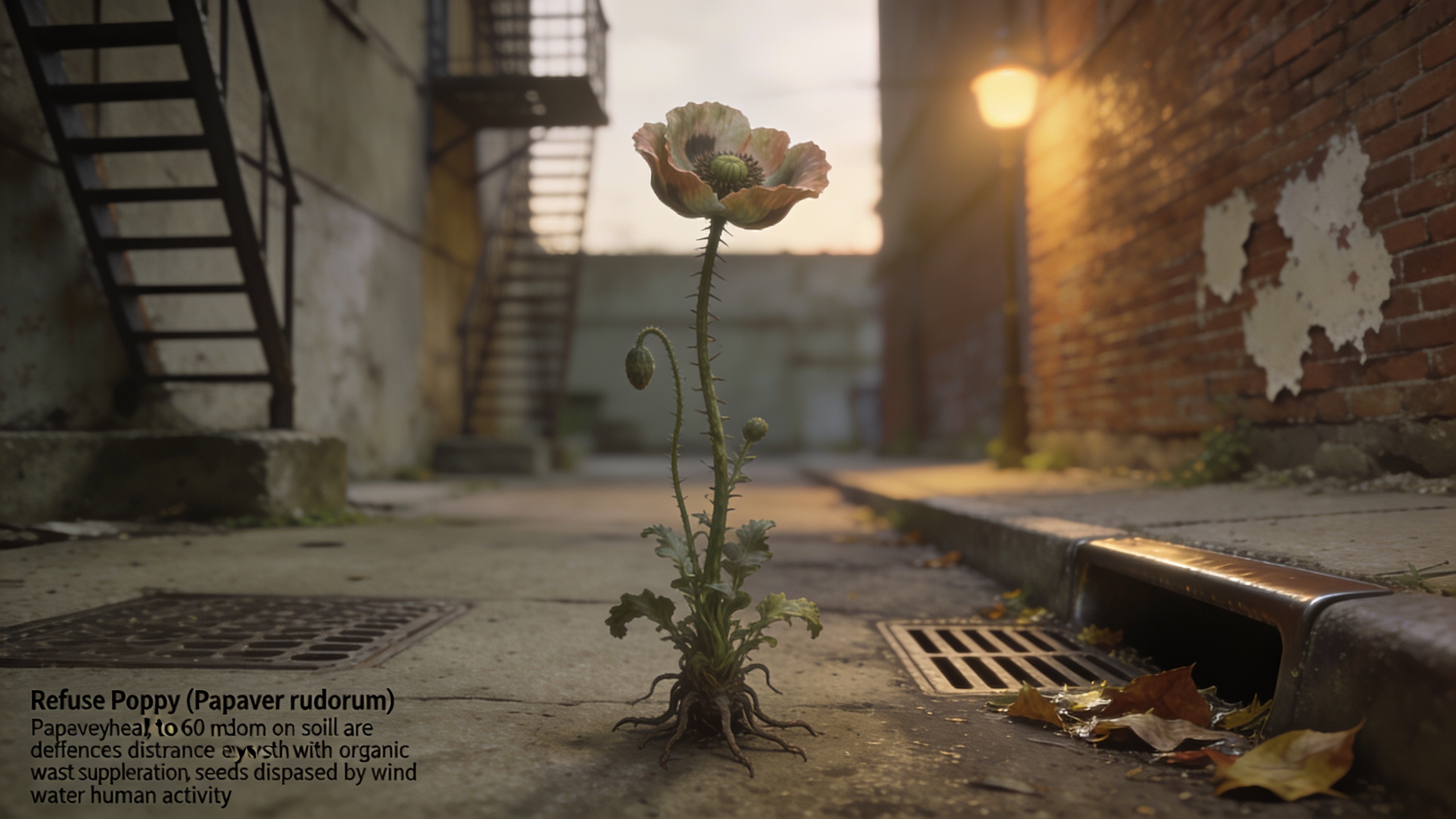
Gen 4Refuse Poppy
Papaver rudorum
descended from Papaver rhoeas
The Refuse Poppy evolved from Papaver rhoeas in response to the unpredictable environment of urban areas. Its seeds developed increased longevity, allowing them to survive periods of disturbance and competition. It adapted to utilize organic waste as a supplement to photosynthesis, thriving in areas with abundant refuse.
Flowers modified to attract urban pollinatorsSeeds can lie dormant for extended periods until conditions improve
evolved in urban · from "Bargas - parque - Mercadona 1"
 Gen 3
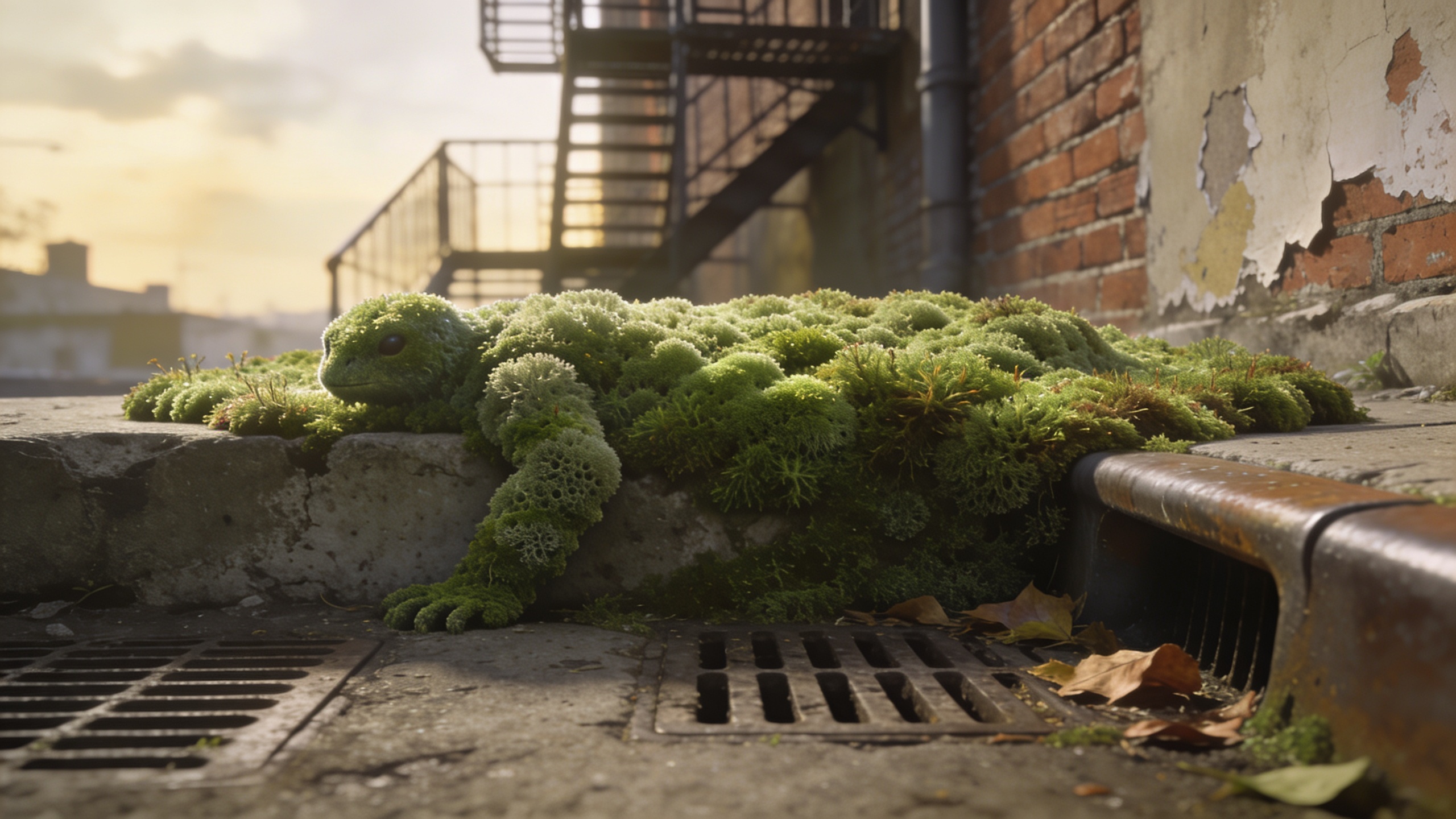
Gen 3Pavement Moss
Bryum urbanum
descended from Bryum argenteum
The Pavement Moss descended from Bryum argenteum, adapting to the urban environment's challenges. It developed an extreme tolerance to desiccation and rapid rehydration capabilities, allowing it to thrive on flat, sun-exposed surfaces like pavement and building facades. Its dense mats help retain moisture, enabling it to survive in areas with limited rainfall.
Tolerant of pollutants and high pH levelsForms dense, sponge-like mats to retain water
evolved in urban · from "Bargas - parque - Mercadona 1"
Gen 5Urban Thistle
Onopordum urbanum
descended from Onopordum acanthium
The Urban Thistle evolved from Onopordum acanthium as a response to the harsh conditions of city life. Intense sunlight, lack of water, and constant disturbance by humans led to the development of a deep taproot and tough, waxy coatings. Its thorns became more effective at deterring both animals and humans, allowing it to thrive in the cracks of sidewalks and building facades.
Deep taproot to access water deep in urban soilThorns modified to deter human and animal browsing
evolved in urban · from "Bargas - parque - Mercadona 1"
Gen 4Mallow Bell
Malvacinia campanulata
descended from Malva moschata
As the local pollinator fauna diversified, Malva moschata populations adapted by developing more attractive flowers. Mallow Bell, Malvacinia campanulata, evolved bell-shaped flowers that are more appealing to a wider range of pollinators, increasing its reproductive success. Its hairy leaves also provide protection against herbivores.
Bell-shaped flowersVelvety, hairy leaves
from "Bargas - parque - Mercadona 1"
Gen 3Golden Foxtail
Setaria aureum
descended from Setaria
In response to increased competition for resources, Setaria populations evolved to become more competitive. Golden Foxtail, Setaria aureum, developed bright yellow foliage to attract more pollinators and its dense inflorescence allows for more efficient seed dispersal, giving it a selective advantage over its parent species.
Golden-yellow foliageDense, branching inflorescence
from "Bargas - parque - Mercadona 1"
 Gen 5
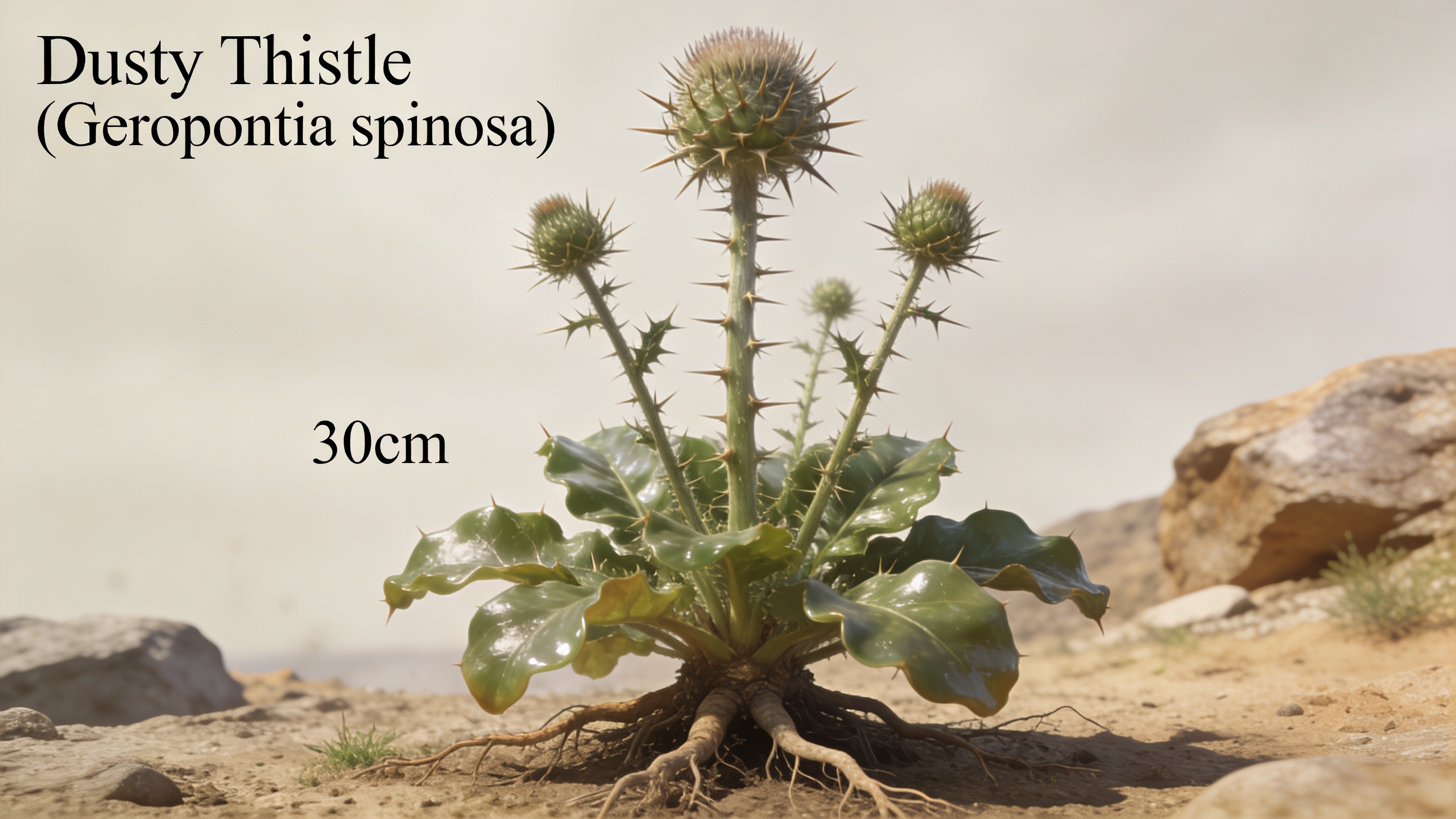
Gen 5Dusty Thistle
Geropontia spinosa
descended from Geranium molle
As the climate became drier and more unpredictable, Geranium molle populations adapted by developing stronger defense mechanisms against herbivores. Over time, these adaptations led to the evolution of Geropontia spinosa, a more resilient and spiny descendant. Its deep taproot allows it to survive longer periods without rain, and its waxy leaves prevent water loss.
Thick, waxy leavesDeep taproot
from "Bargas - parque - Mercadona 1"
 Gen 6
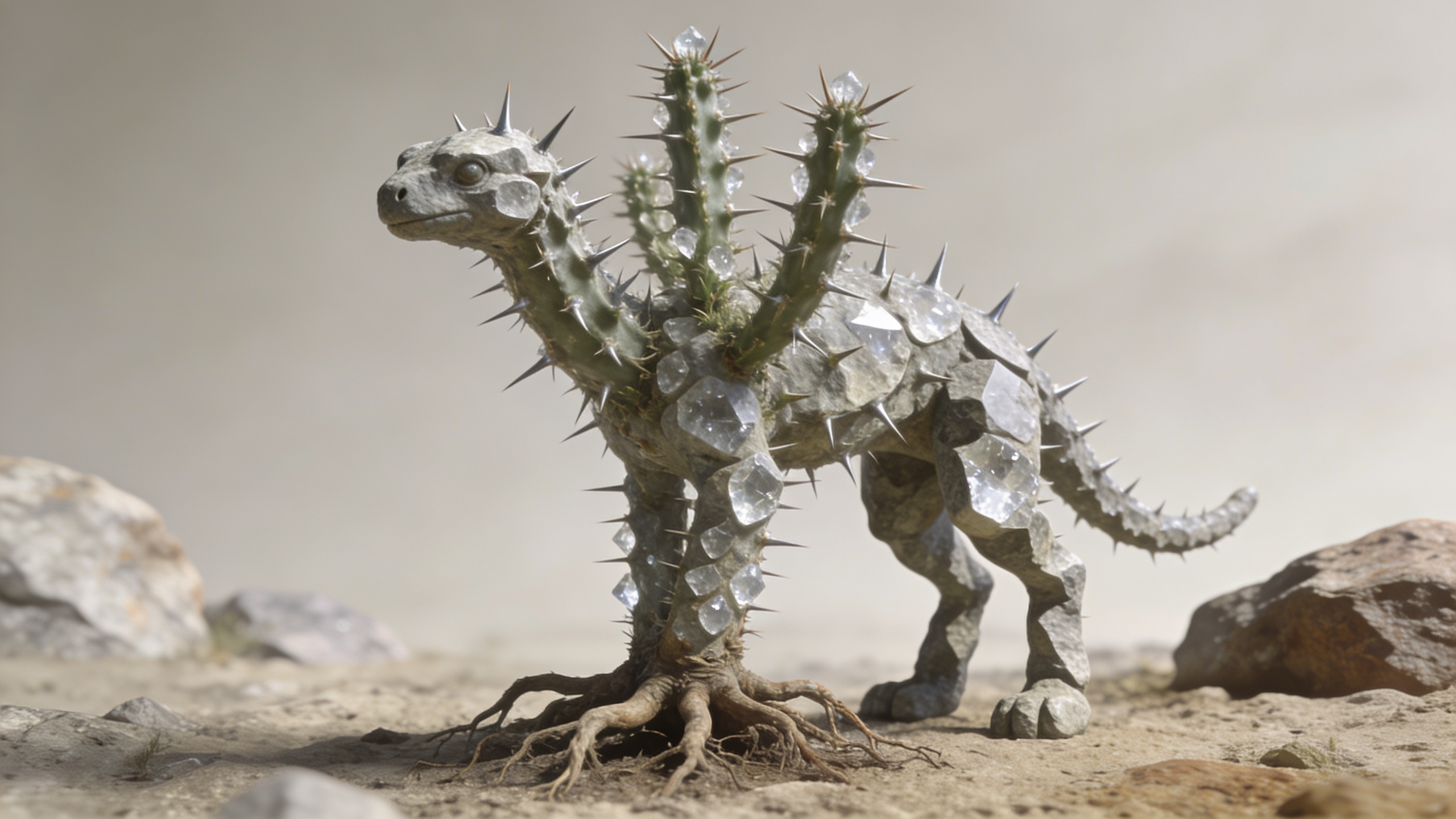
Gen 6Rhiolitic Russian Thistle
Kali lithophilus
descended from Kali tragus
As rocky outcrops became more prevalent, Kali tragus gave rise to a lithophilous descendant. This new species, Kali lithophilus, developed sharp, siliceous spines to deter herbivores and rhizomatous growth to colonize rocky crevices. Its increased size allows it to outcompete other vegetation on rocky outcrops.
rhizomatous growthsiliceous spines
from "Bargas - Mercadona - Farmacia 1"
 Gen 4
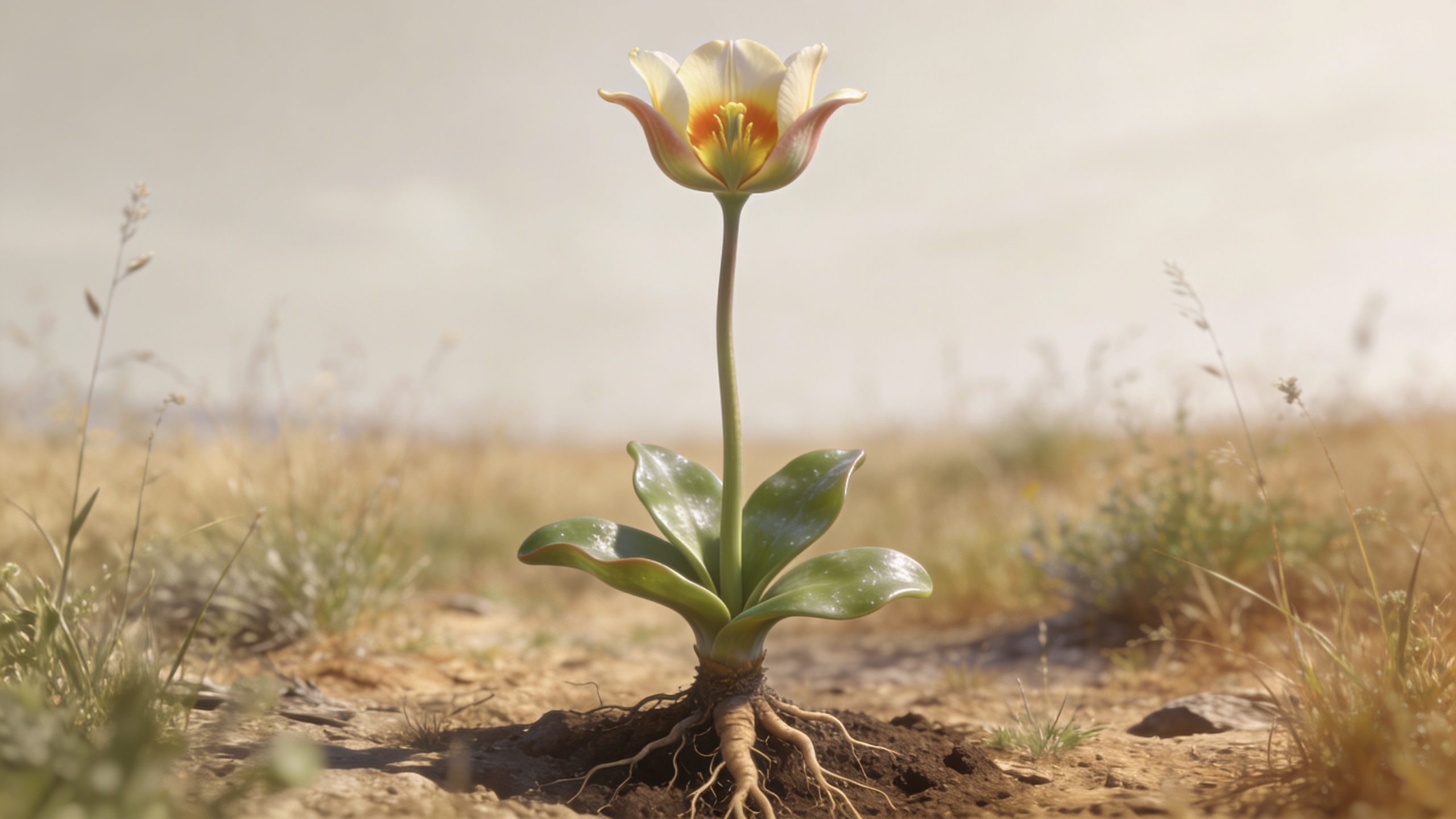
Gen 4Drought-Tolerant Mariposa Lily
Calochortus xerophilus
descended from Calochortus
In response to increasing drought, Calochortus evolved a drought-tolerant descendant. This new species, Calochortus xerophilus, developed waxy leaves to conserve water and a deep taproot to access groundwater. Its increased size allows it to compete with other vegetation in dry meadows.
waxy leavesdeep taproot
from "Bargas - Mercadona - Farmacia 1"
 Gen 3
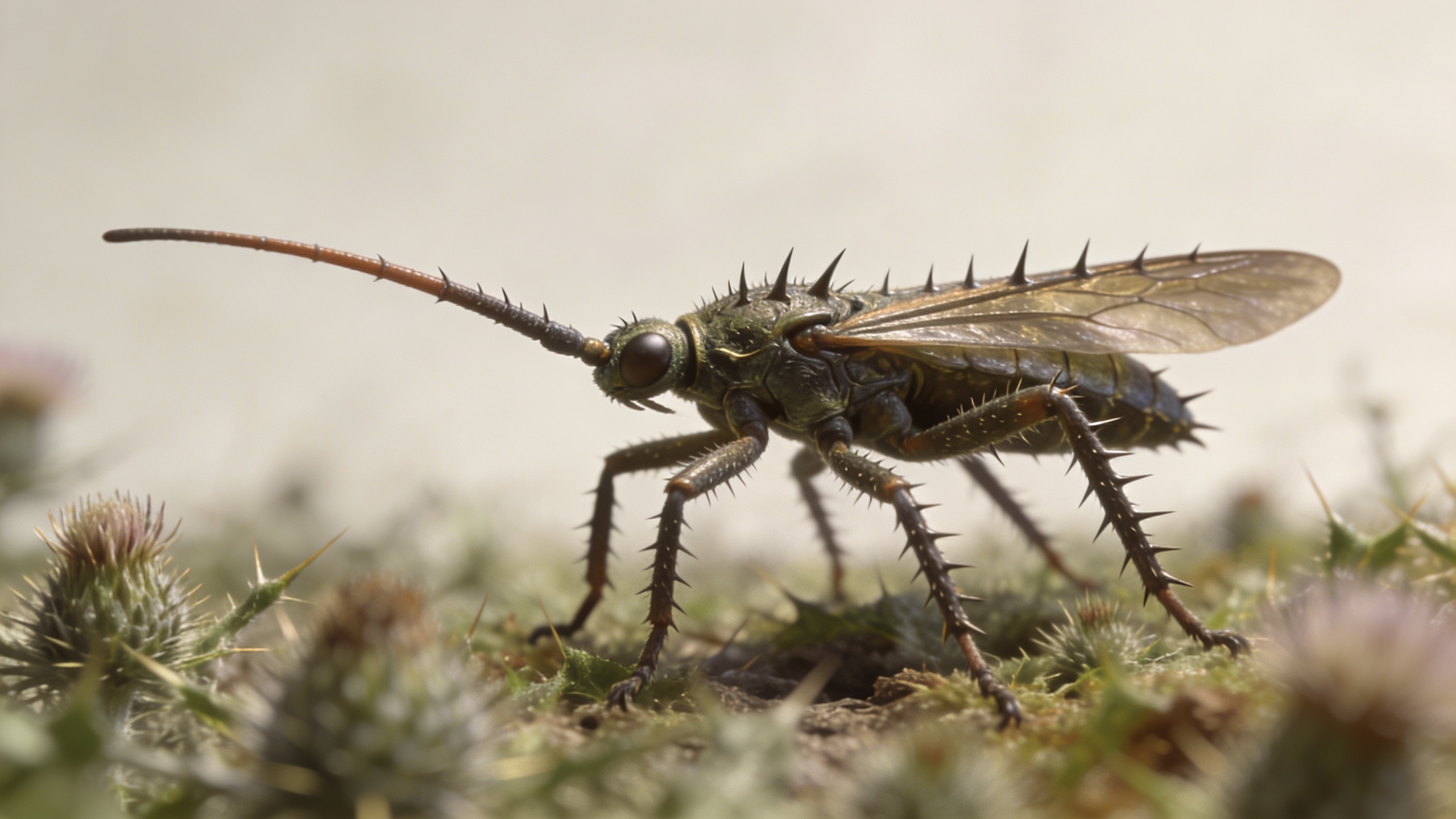
Gen 3Thistle Bug
Bromidia thistletoni
descended from Bromidia brenthis
As thistle species like Onopordum acanthium and Echinops ritro became more abundant, Bromidia brenthis evolved into a specialized herbivore. The Thistle Bug developed a long proboscis to feed on thistle nectar and a spiny exoskeleton to deter predators. Its spiny legs also help it grasp onto thistle stems.
long proboscisspiny legs
from "Bargas - Mercadona - Farmacia 1"
 Gen 5
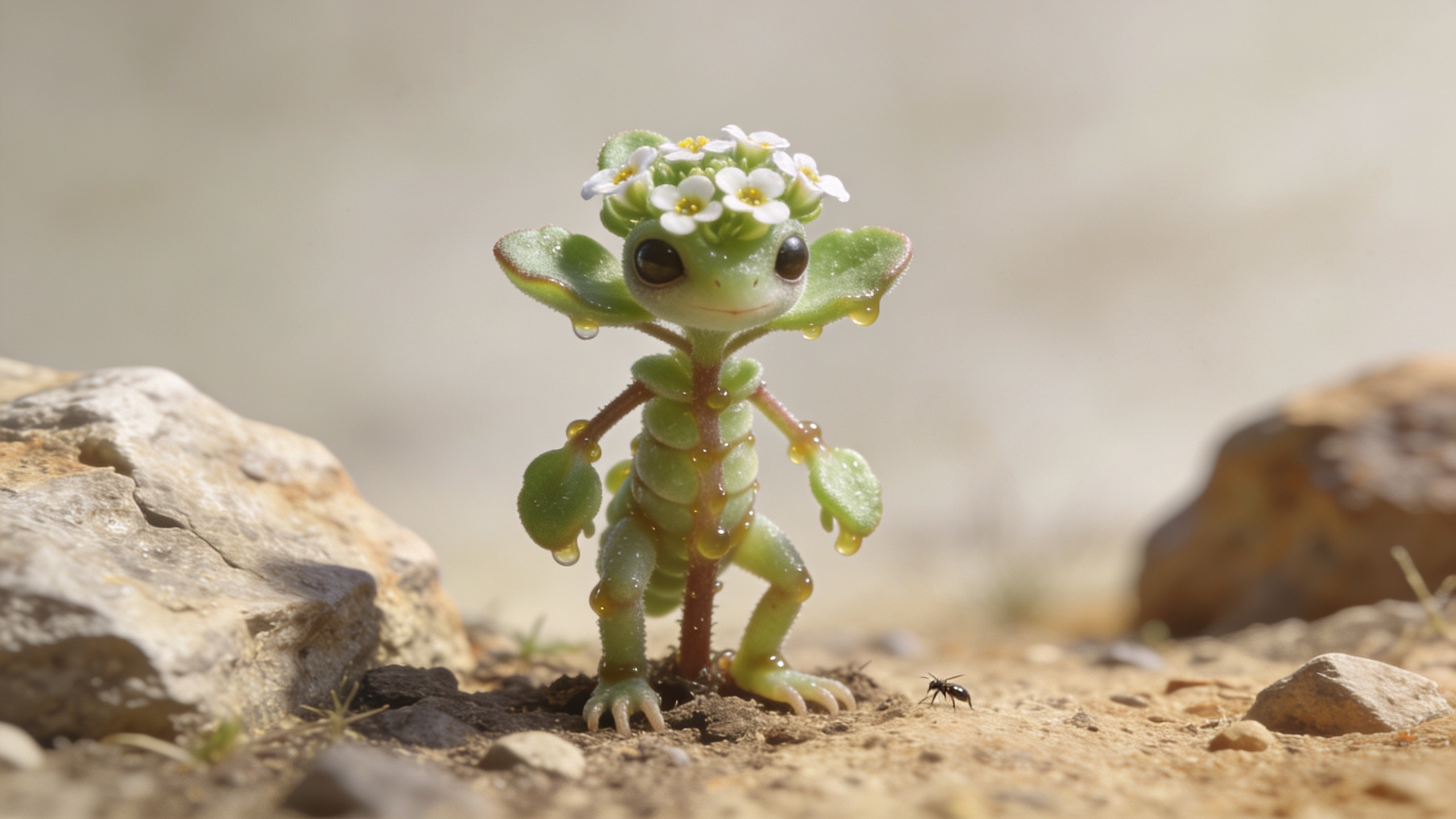
Gen 5Dwarf Heliotrope
Heliotropium pumilum
descended from Heliotropium europaeum
In response to intense grazing pressure from herbivores, Heliotropium europaeum gave rise to a dwarfed, sessile descendant. This new species, Heliotropium pumilum, developed succulent leaves to store water and sticky stems to deter herbivores. Its reduced size allows it to thrive in dry, rocky outcrops where competition is low.
succulent leavessticky stems
from "Bargas - Mercadona - Farmacia 1"
 Gen 8
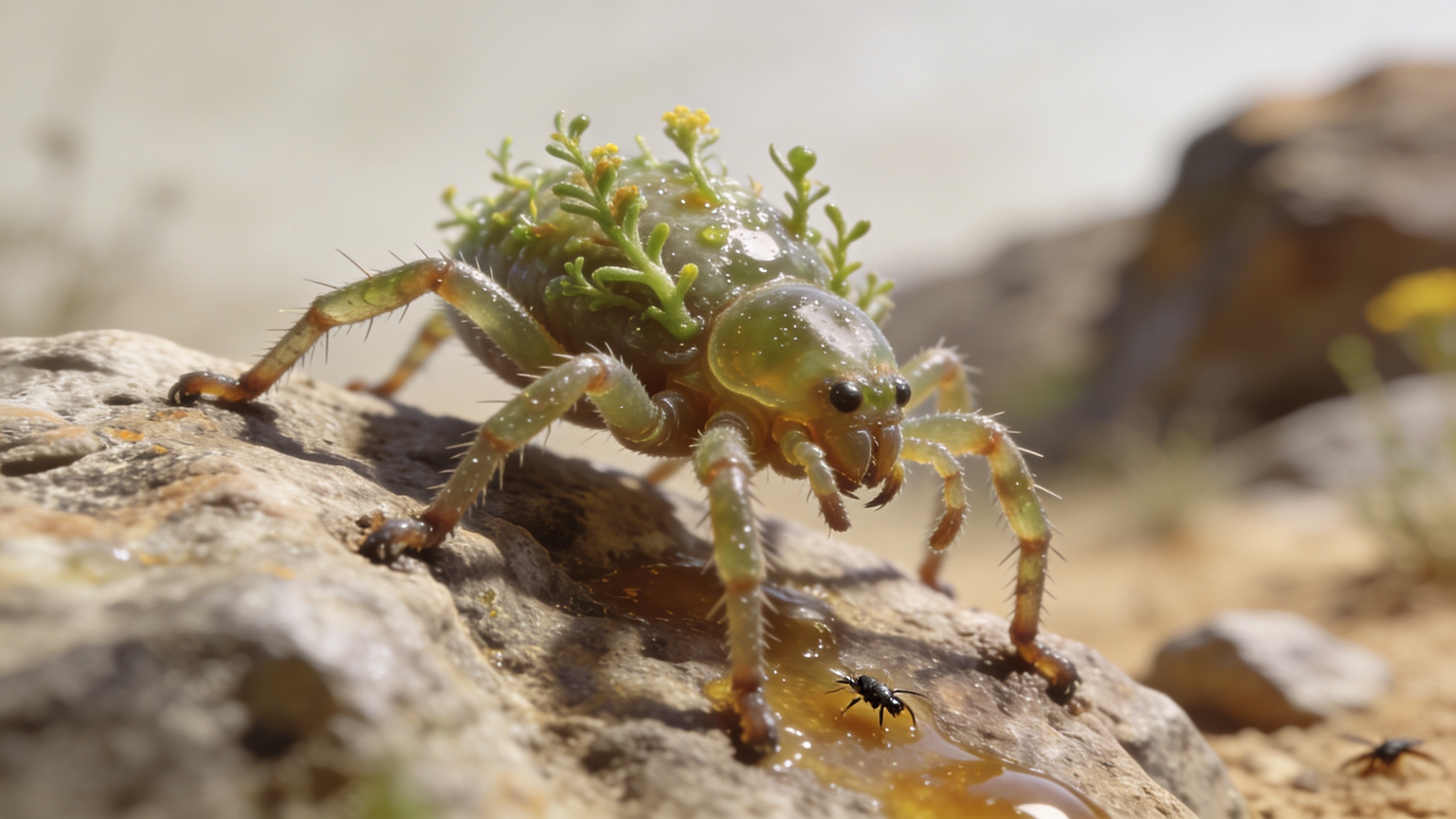
Gen 8Dwarf Goldfields Mite
descended from Encelia californica
In response to intense sunlight and dry conditions on rocky outcrops, Encelia californica gave rise to a small, mite-like creature. This descendant evolved to feed on sap and small insects, supplementing its diet with limited photosynthetic capabilities. It developed chemical defense compounds to deter herbivores and a waxy coating to conserve water. Over time, its body size decreased to minimize water loss, leading to the Dwarf Goldfields Mite.
Ability to photosynthesize like plants, supplementing diet with sunlightWaxy coating to prevent water loss on rocky surfaces
from "Bargas 1"
 Gen 3
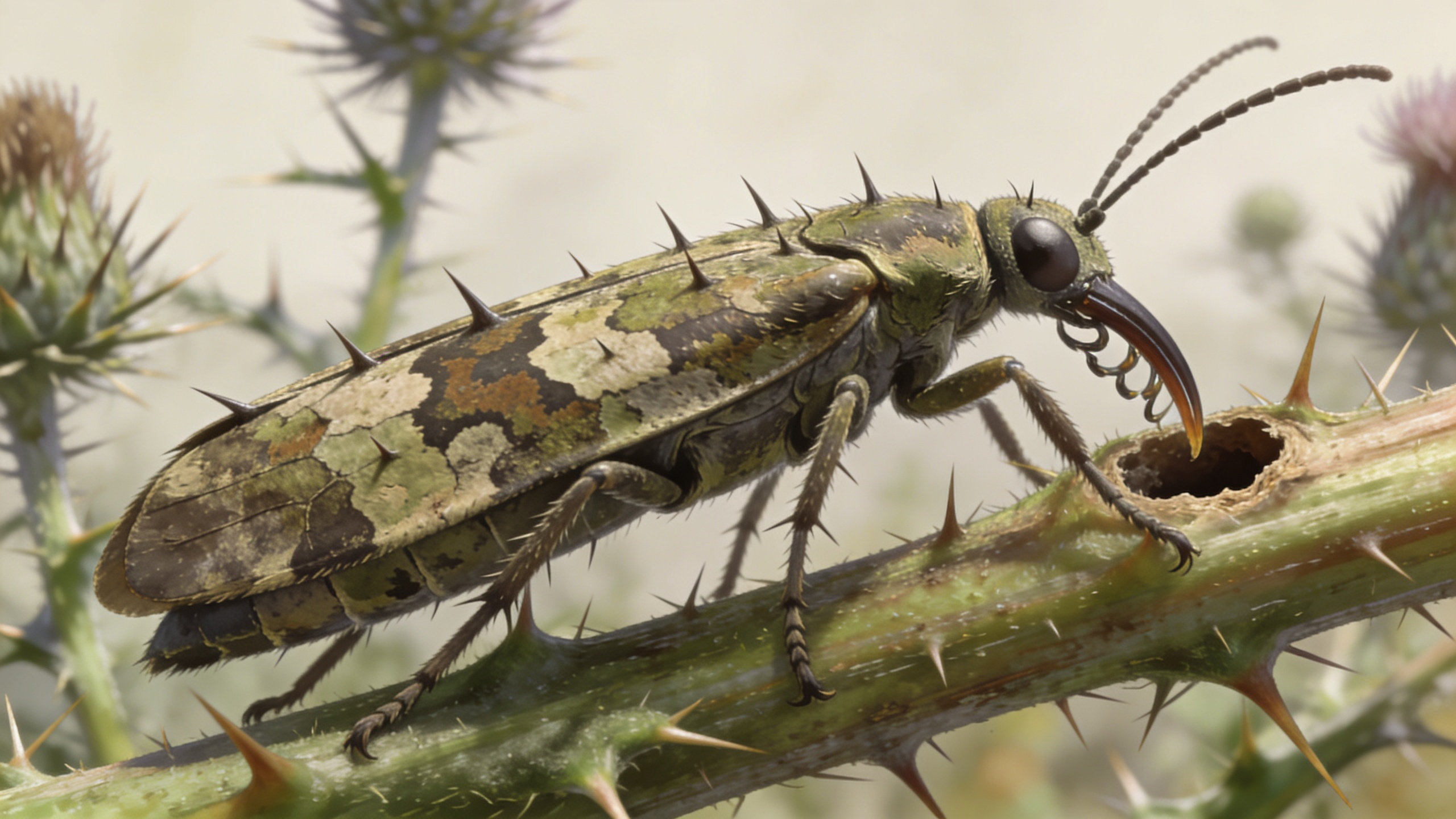
Gen 3Thorn-Thistle Borer
Eryngiorestis thorntoni
descended from Trichodes ornatus
Trichodes ornatus, which previously fed on a variety of plants, began to specialize on Eryngium (Thistle) and similar spiny plants. Over generations, its larvae developed the ability to bore into the tough stems of these plants. As a defense, the adults evolved camouflage on their elytra to blend in with the thistle spines, reducing predation risk. This specialization allowed them to thrive in areas where other beetles struggled to survive.
Specialized mouthparts for boring into tough thistle stemsLoss of bright coloration, adopting a more cryptic appearance
from "Bargas 1"
 Gen 5
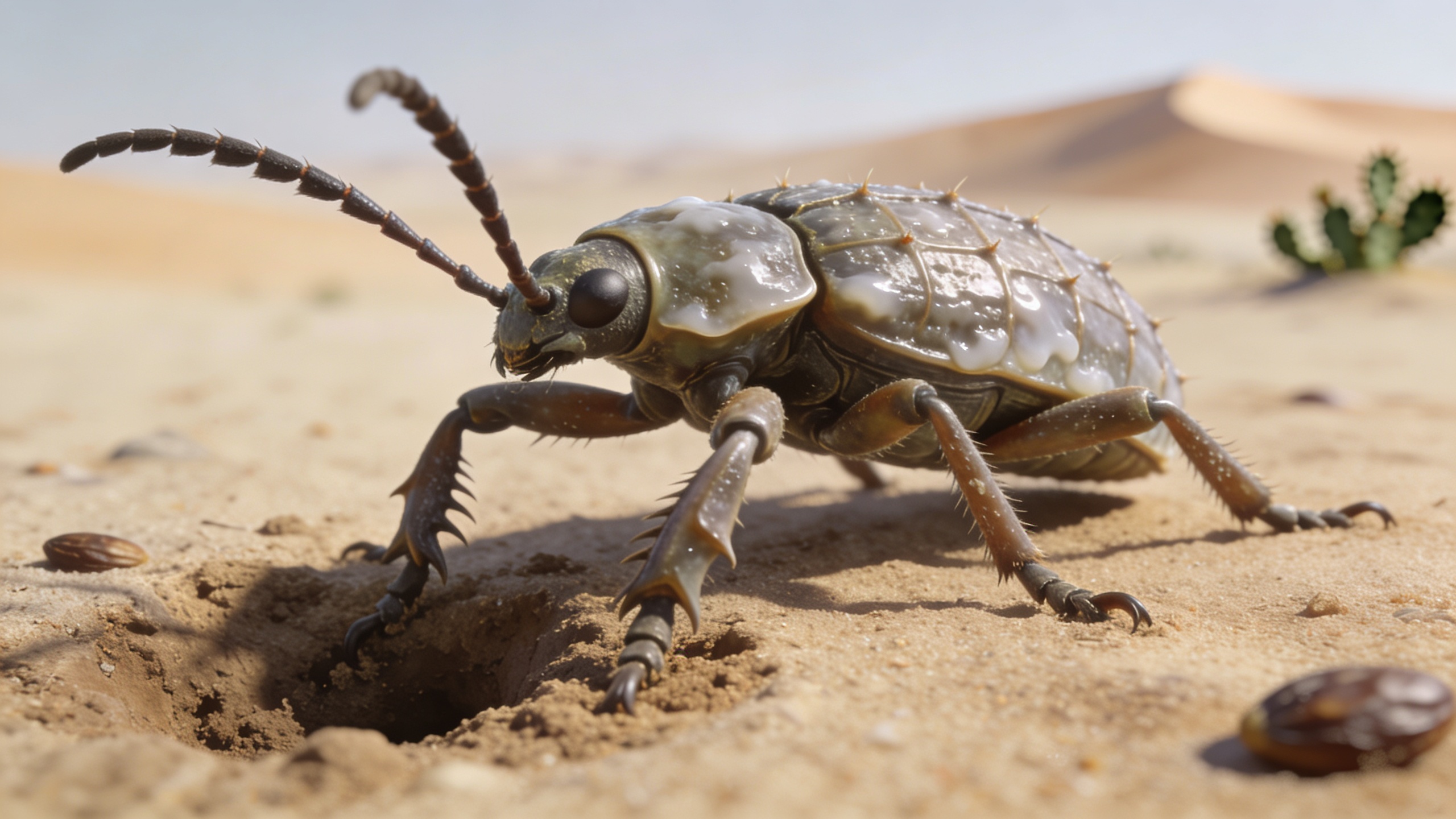
Gen 5Dune Weevil
Larinus arenarius
descended from Larinus stebbingi
As the climate became drier and sand dunes more prevalent, Larinus stebbingi adapted to the new terrain. Over time, its descendants developed stronger front legs for burrowing into the sand and longer antennae to detect prey and predators in the shifting dunes. Their diet shifted to specialize on the seeds of Opuntia spp., which were abundant in the area. The elytra became more armored to protect against the abrasive sand and to conserve water.
Longer, more powerful antennae for detecting vibrations in sandWaxy coating on elytra to prevent water loss
from "Bargas 1"