Point your camera at a mushroom, berry, or wild plant to get a safety verdict.
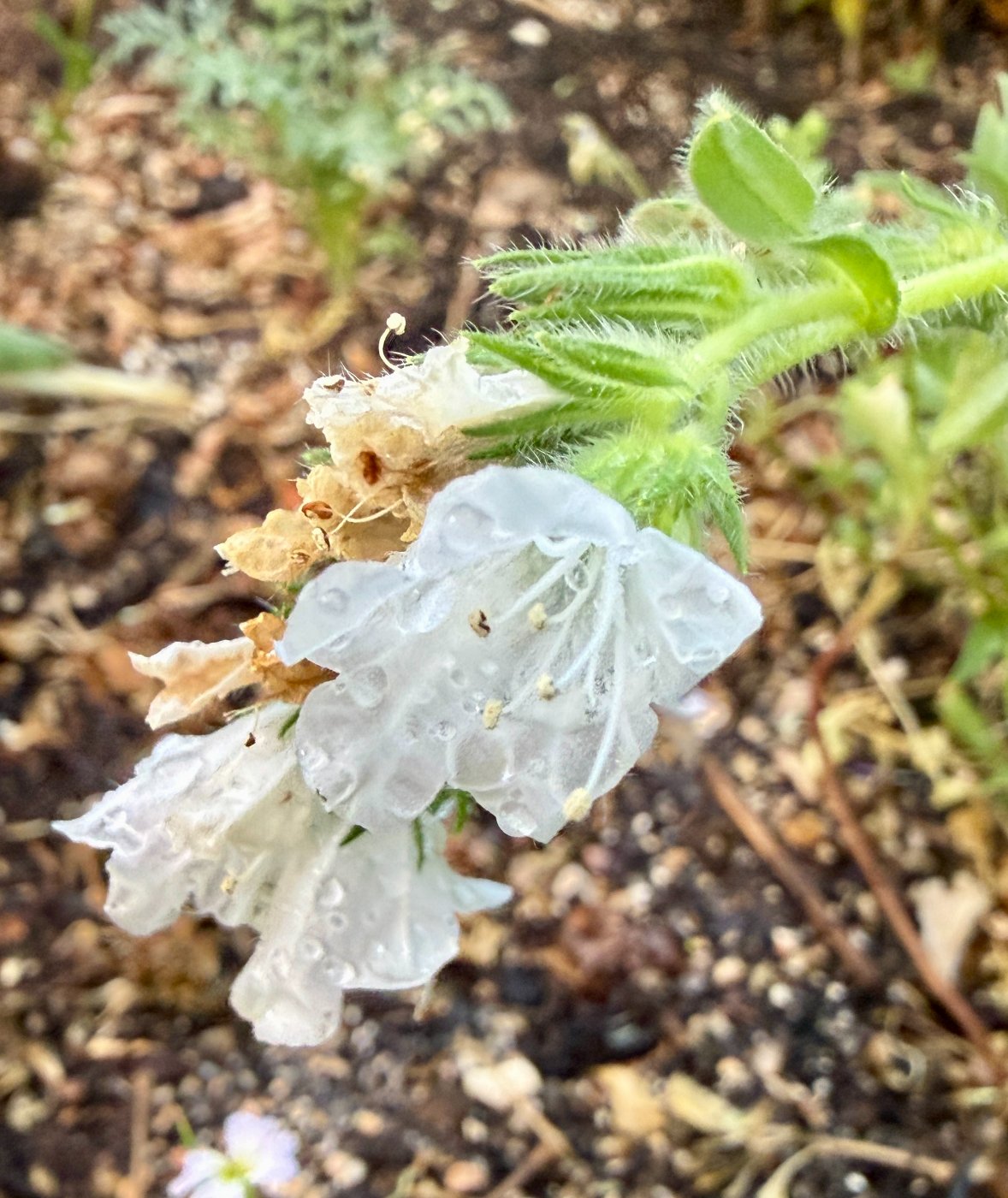
Silene tomentosa Gibraltar Campion
The species has a high confidence score and is Silene spp., which includes edible species. However, a toxic look-alike (Silene stellata) exists in the region.
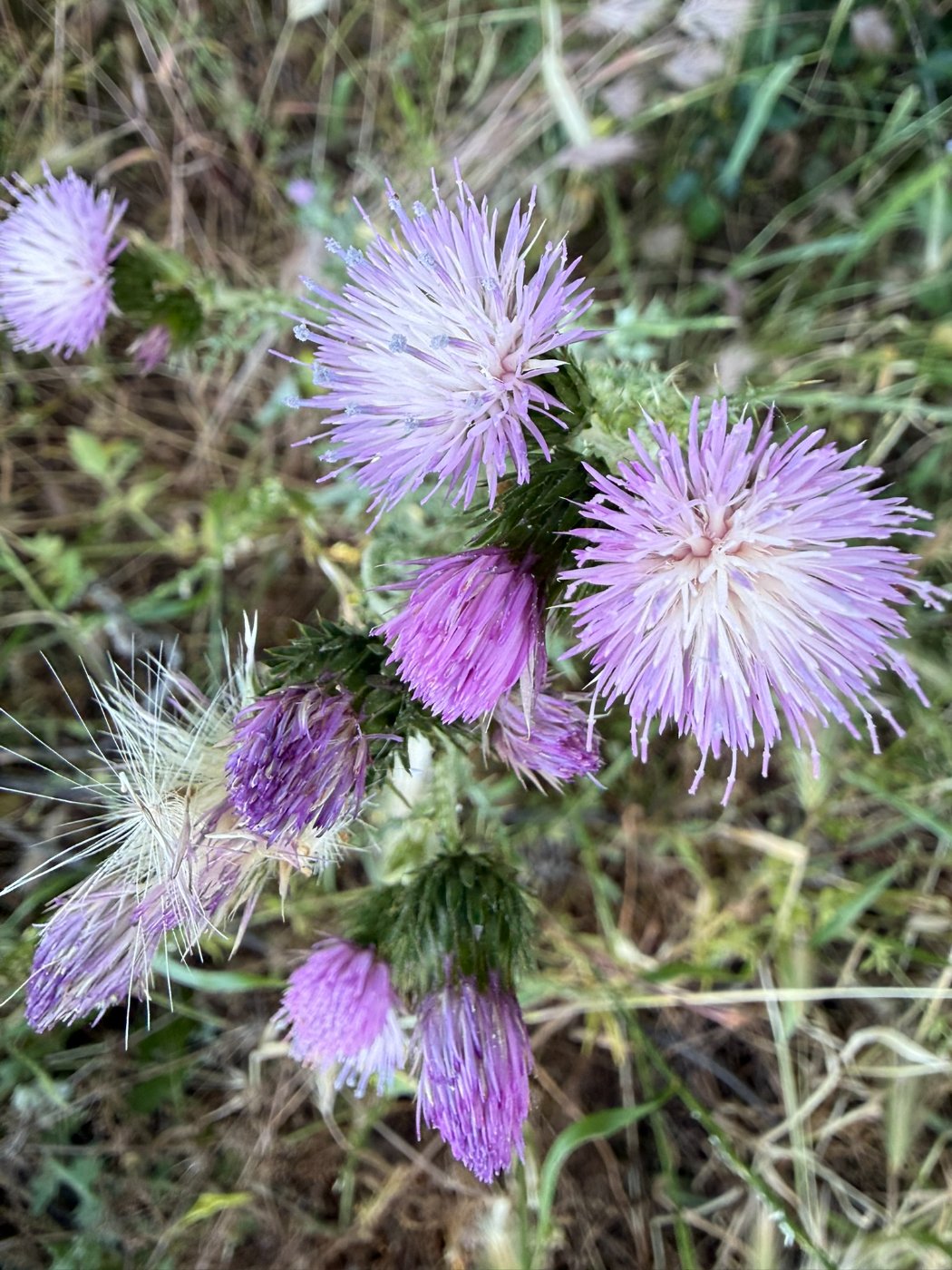
Cirsium vulgareBull thistle
Circium vulgare (Bull thistle) is considered edible with caution. Its young leaves and shoots can be eaten, but caution is advised due to possible look-alikes and potential for irritation.
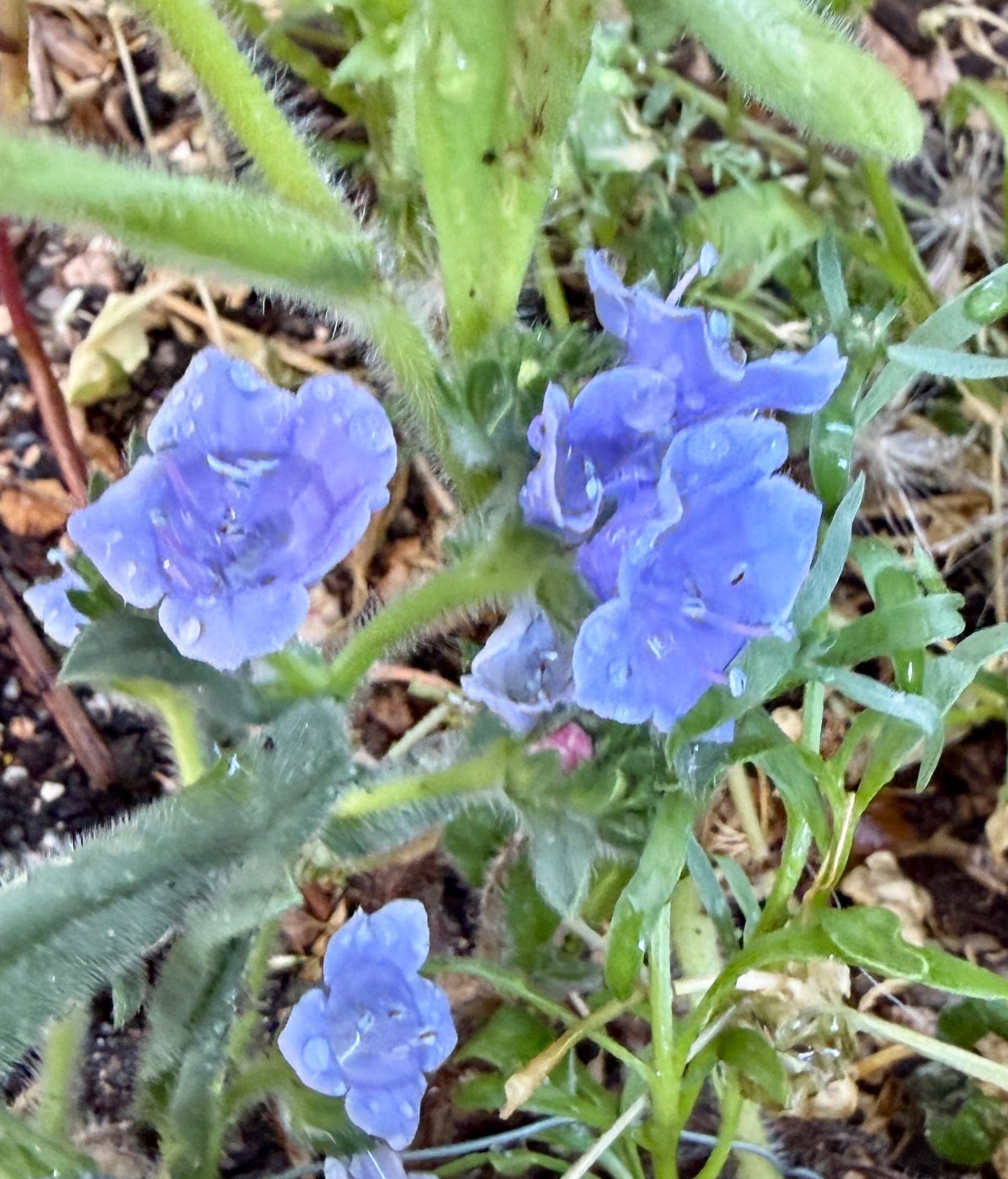
Pulmonaria officinaliscommon lungwort
Pulmonaria officinalis (common lungwort) is likely edible but has look-alikes; however, the confidence score of 0.80 is still below the 0.90 threshold for a definitive edible assessment, and dangerous look-alikes must be ruled out. Never eat wild food based solely on an app.
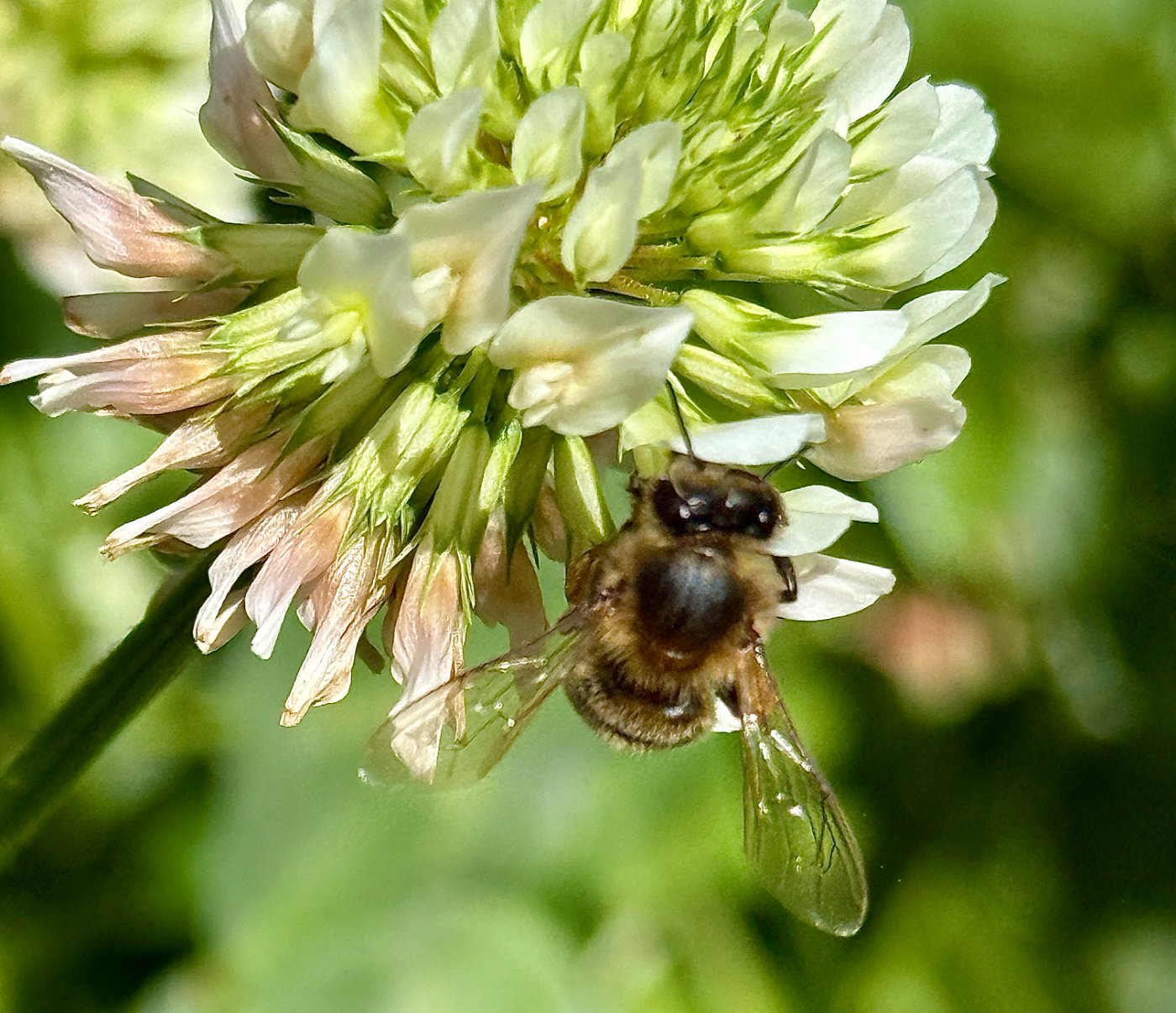
Trifolium repensWhite clover
Confidence below 0.75 for species identification. Never eat wild food based solely on an app.
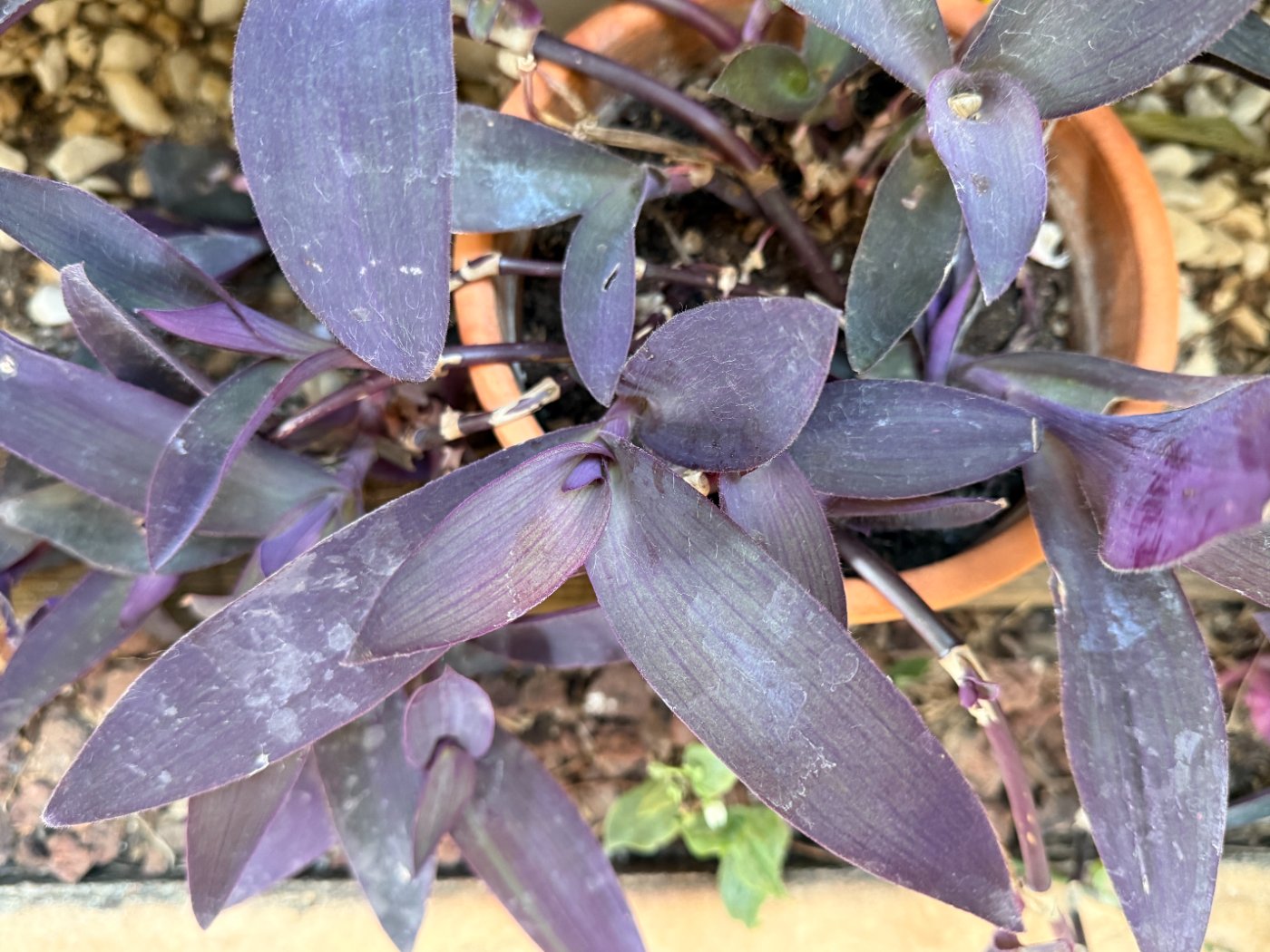
Tradescantia spathaceaMoses-in-the-basket
Tradescantia spathacea (Moses-in-the-basket) is generally considered non-toxic. However, it's not commonly consumed and may cause gastrointestinal issues if ingested. Never eat wild food based solely on an app.
Canna indicaCanna lily
The plant, Canna indica, has edible parts but requires proper preparation. Never eat wild food based solely on an app.