← All excursions

Bargas - Mercadona - Camino colesterol

Mixed

Started May 14, 2026, 6:56 PM

Photos & observations
not yet identifiedJun 6, 2026, 5:30 AM
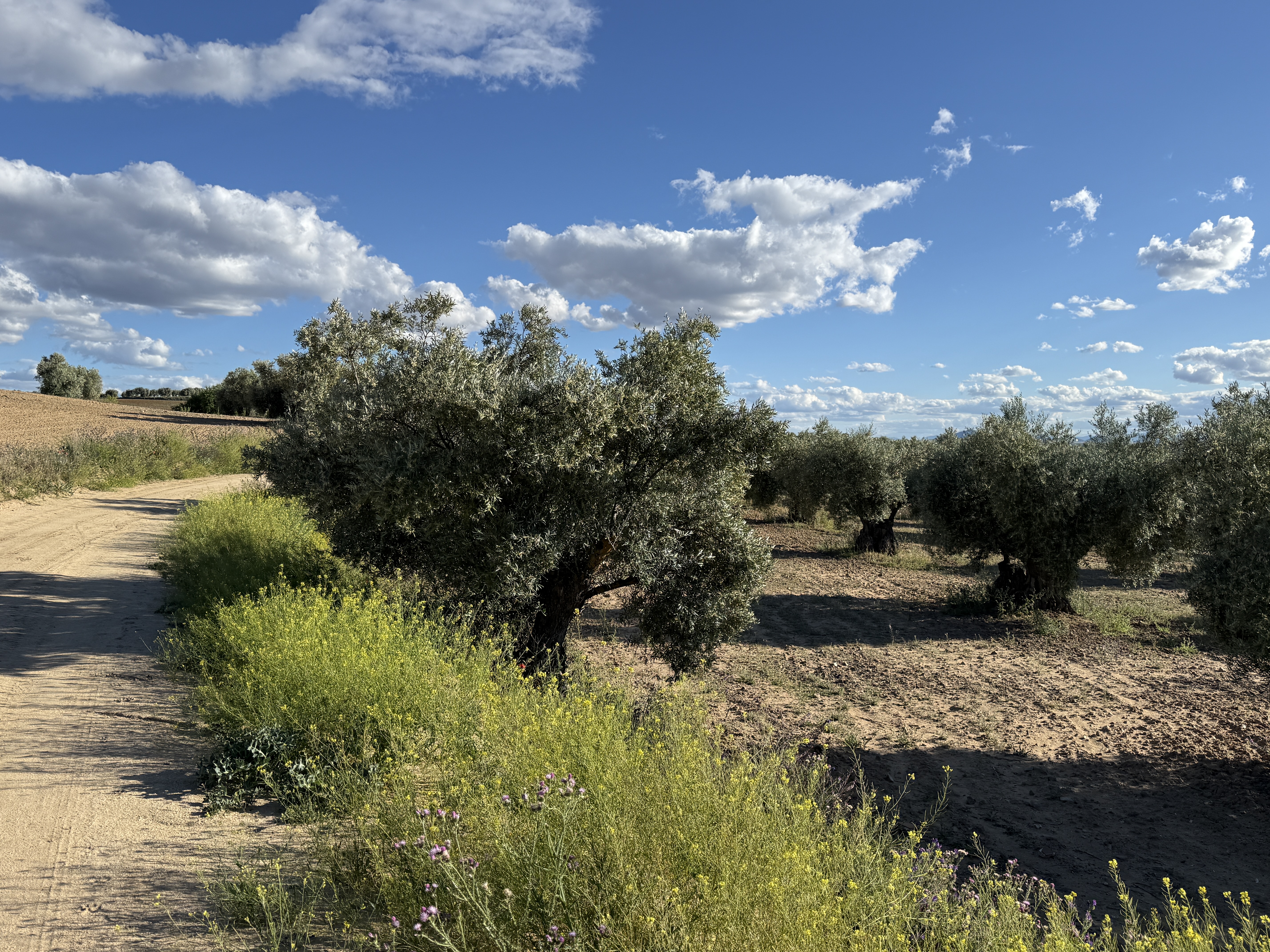
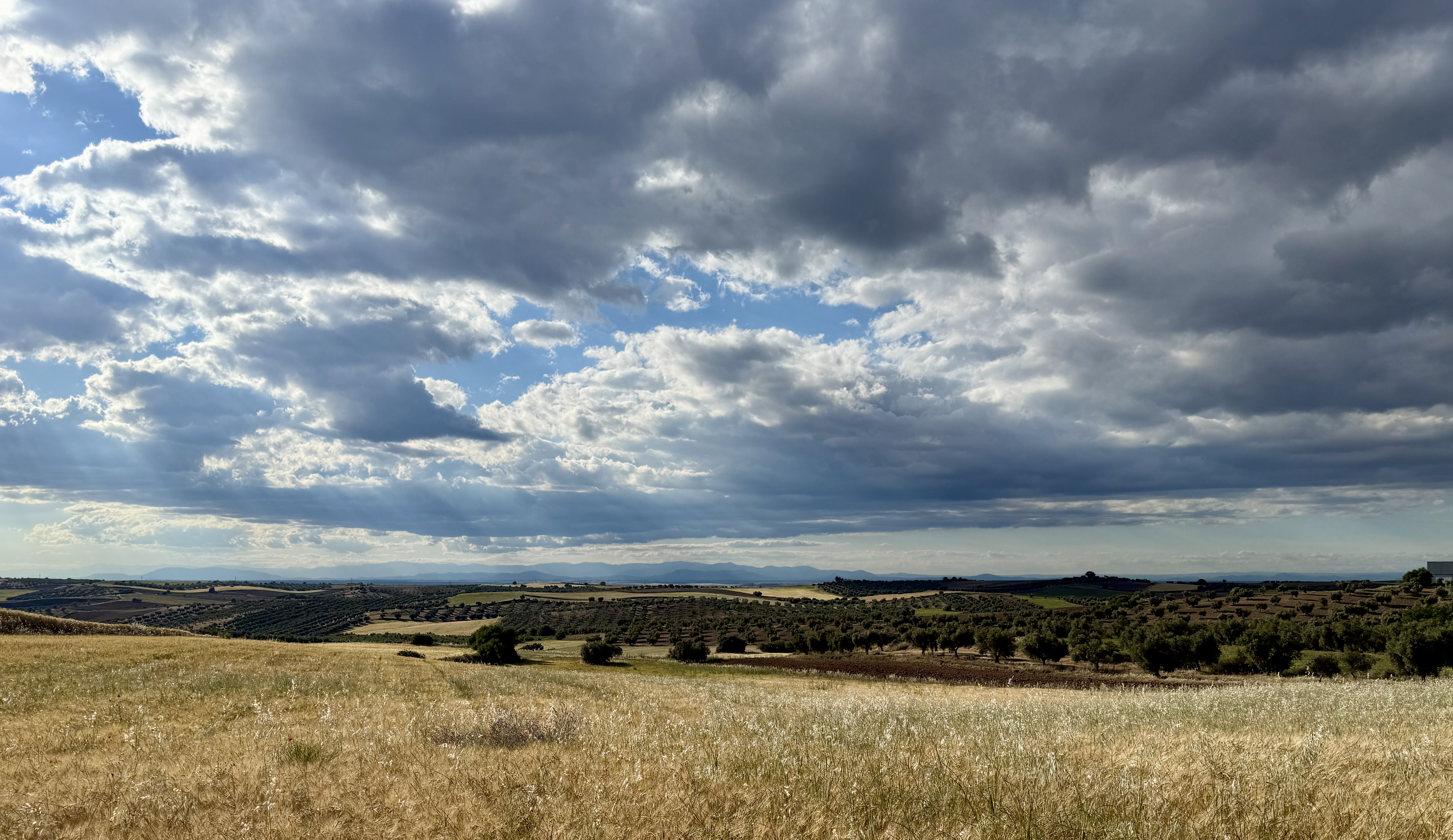
Olea europaea · olive treeExplore photosynthesisMay 15, 2026, 5:23 PM
not yet identifiedMay 15, 2026, 5:18 PM
not yet identifiedMay 15, 2026, 5:16 PM
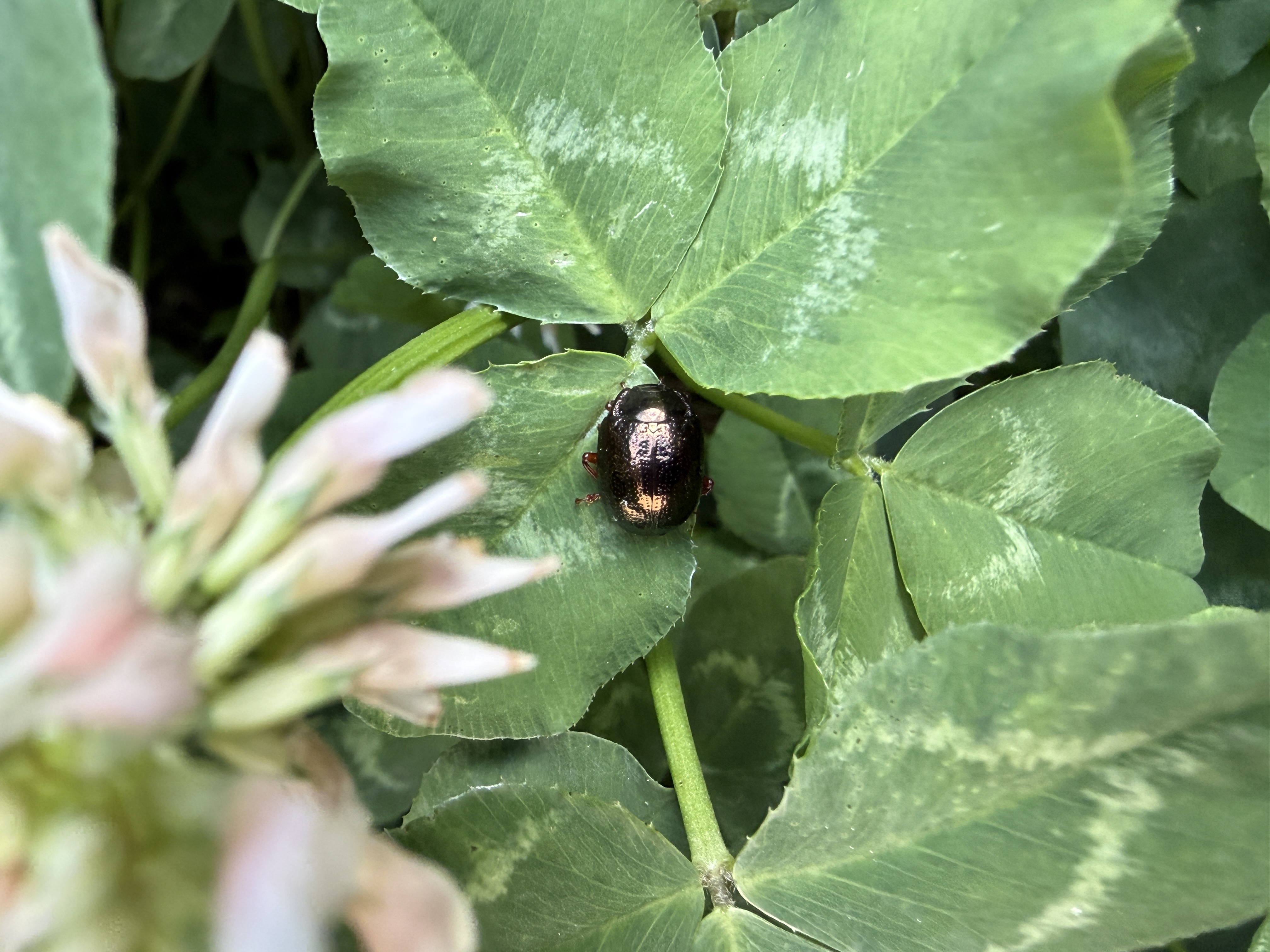
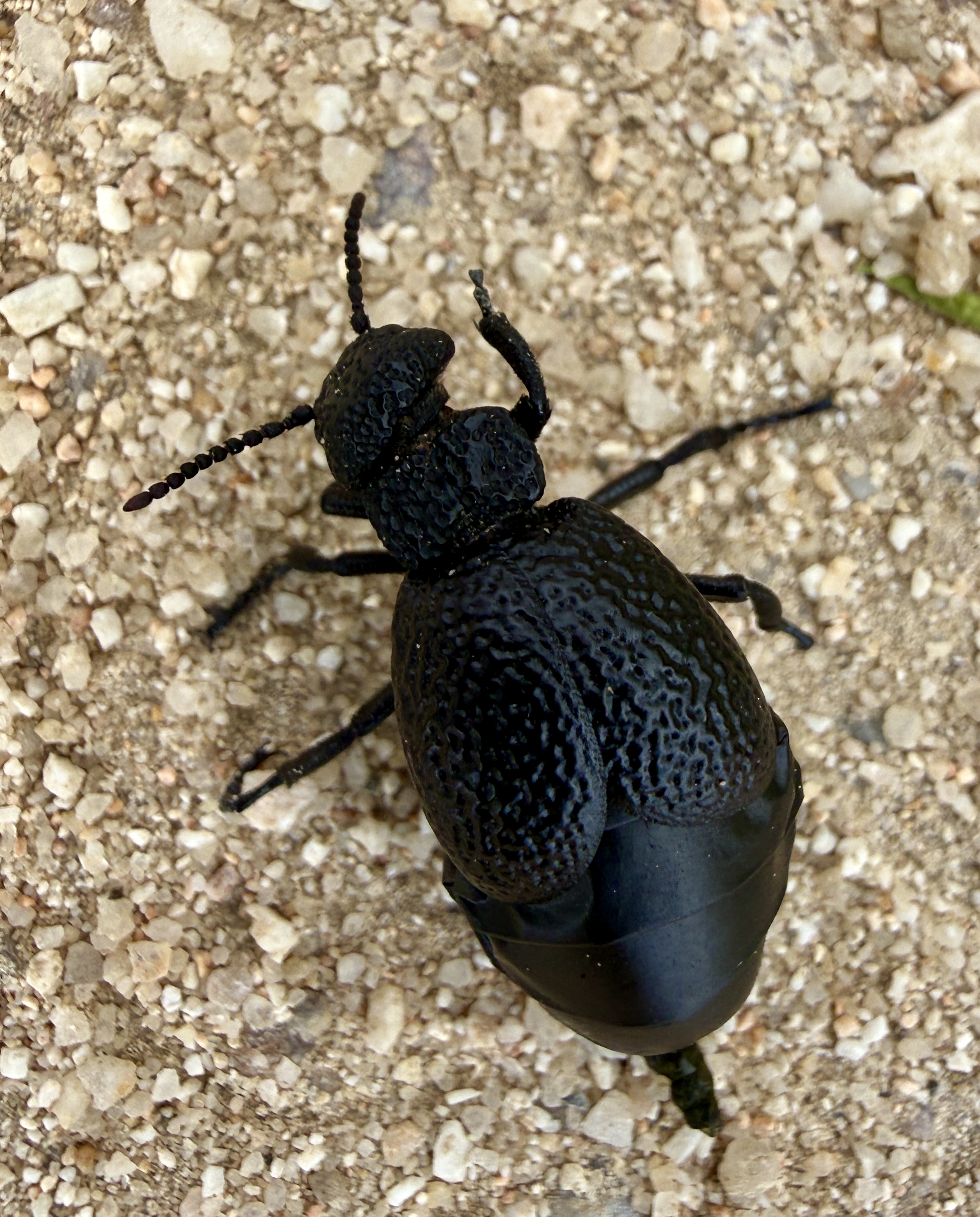
Lythrurus fassoglii · Red-headed Burying BeetleMay 15, 2026, 6:39 AM
Lythrurus fassoglii · Red-headed Burying BeetleMay 15, 2026, 6:24 AM
not yet identifiedMay 14, 2026, 5:11 PM
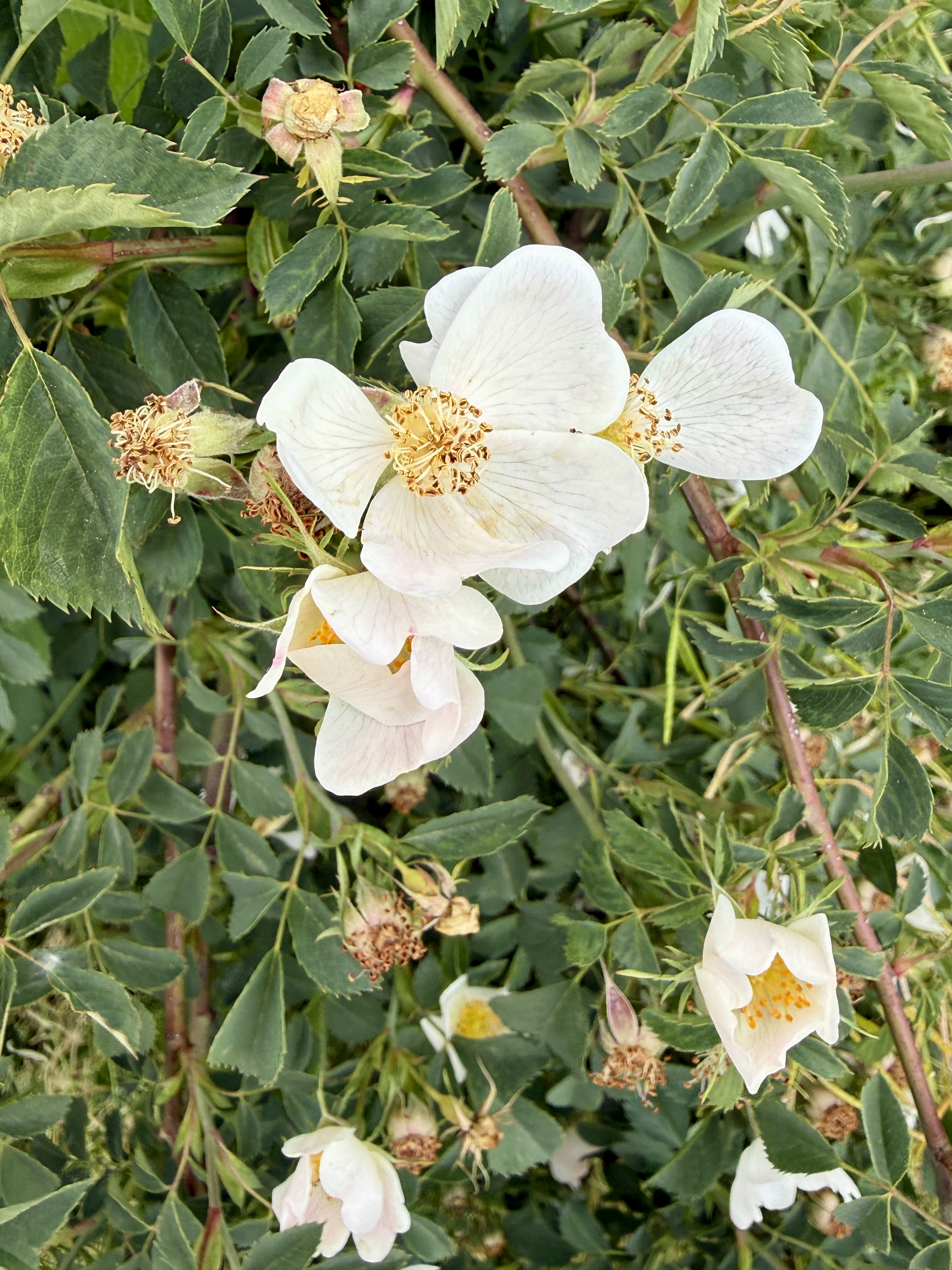
Rubus occidentalis · Black raspberryExplore photosynthesisMay 14, 2026, 4:46 PM
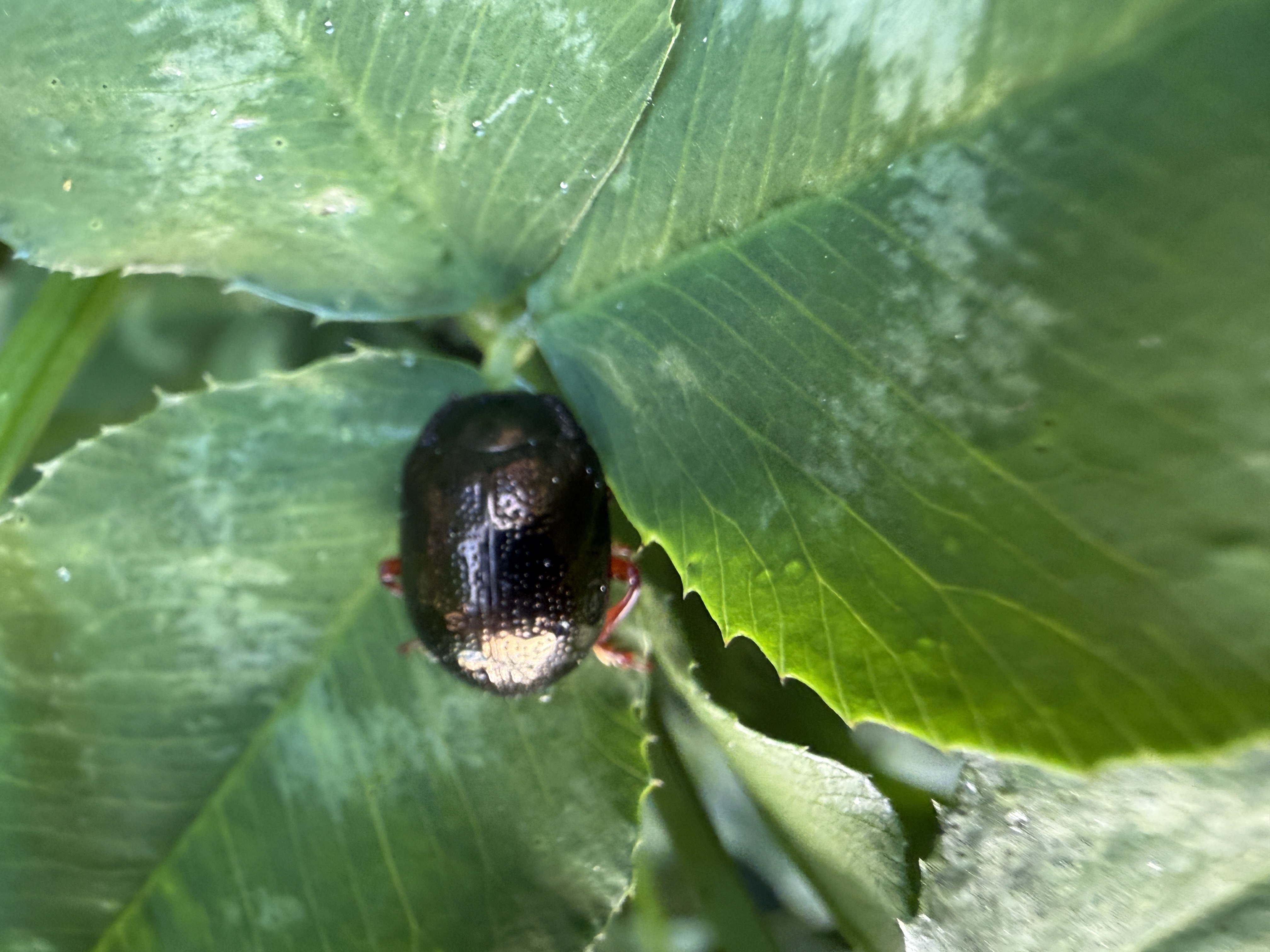
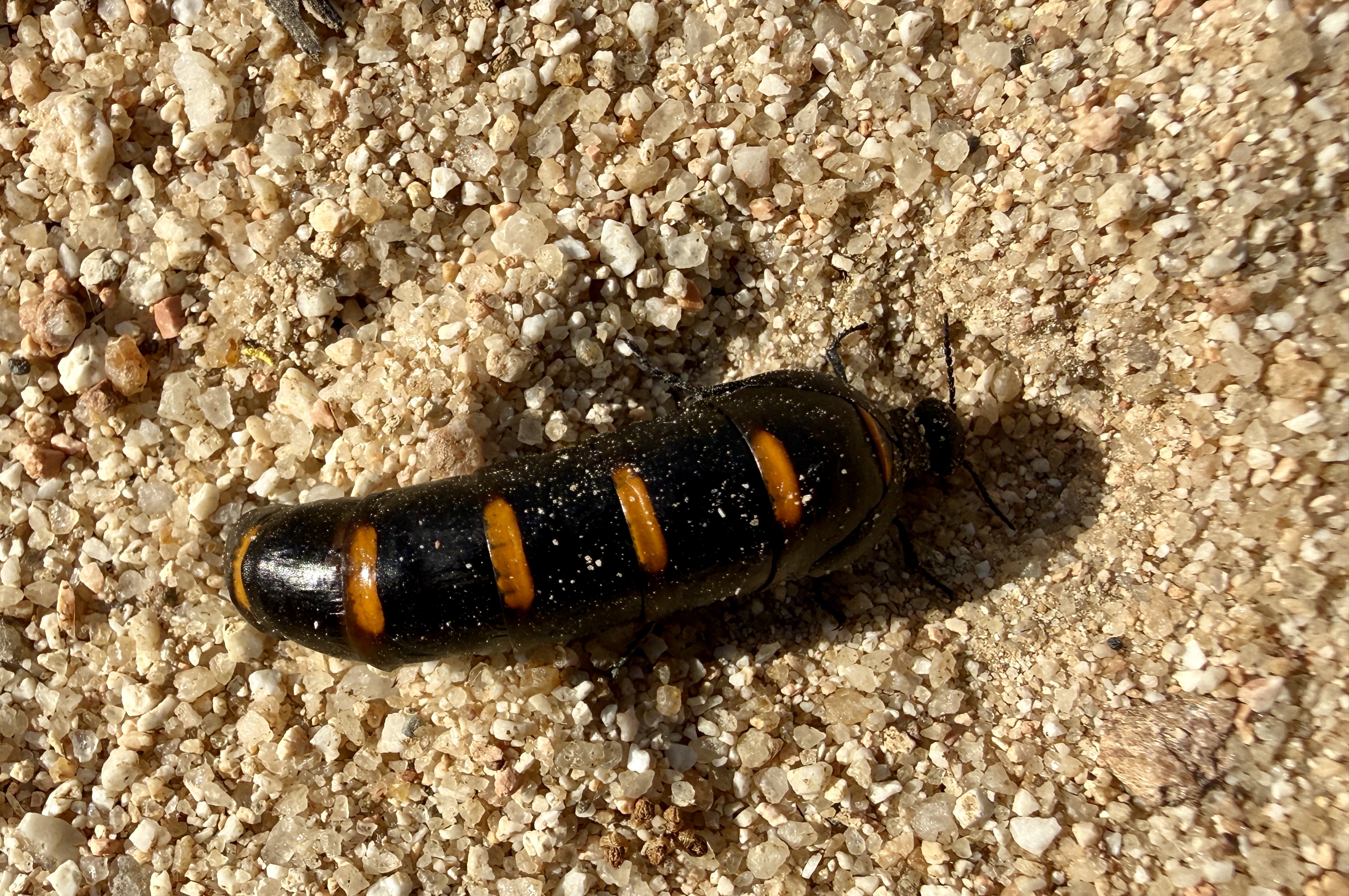
Asellus spp. · water scavenger beetleMay 14, 2026, 4:48 PM
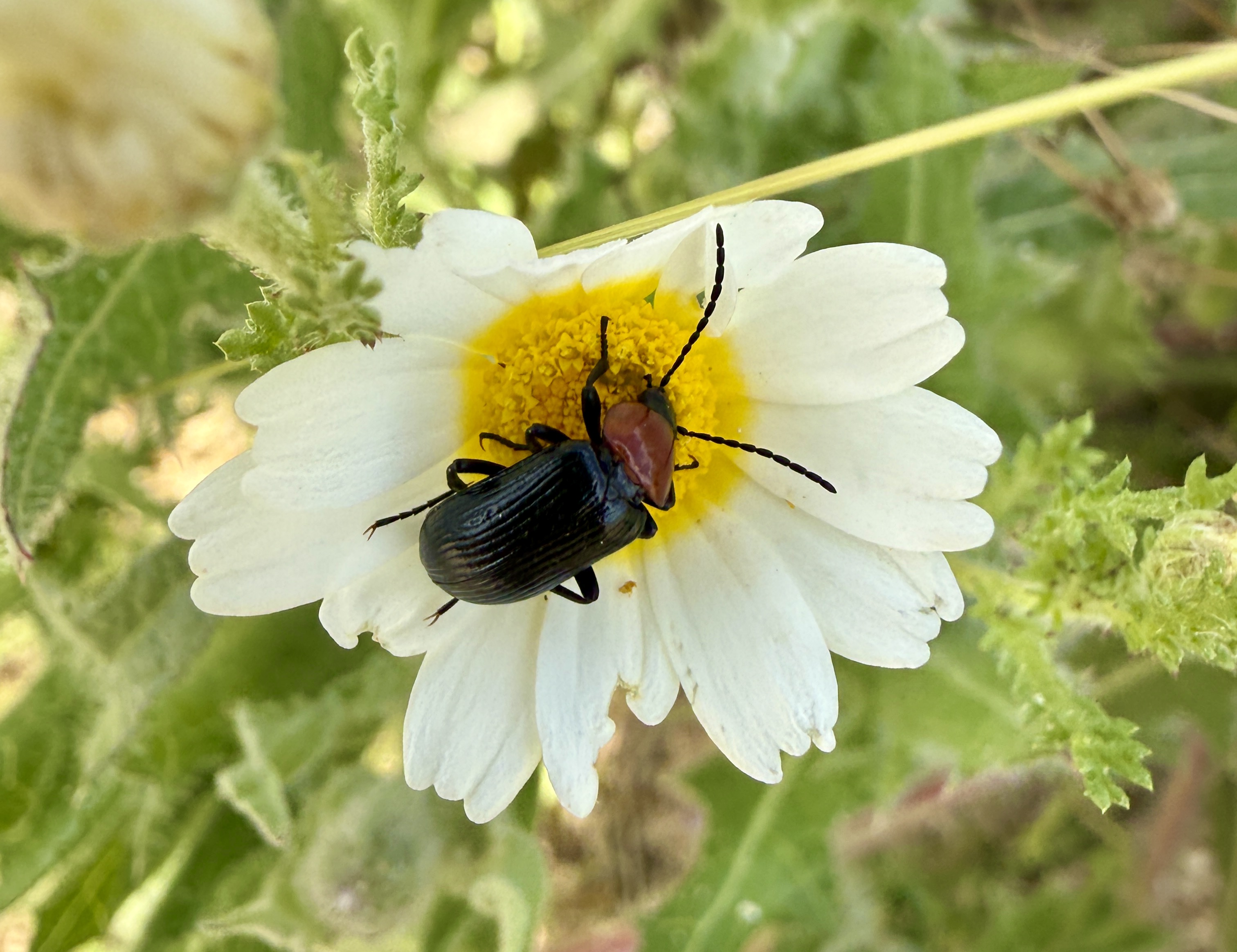
Trichiotinus bicolor · Two-colored click beetleMay 14, 2026, 4:55 PM
Melolontha melolontha · Common CockchaferMay 14, 2026, 4:56 PM
not yet identifiedMay 14, 2026, 4:41 PM

Ecological interactions

⬇ JSON-LD
hosts
  • Black raspberry (Rubus occidentalis) hosts Two-colored click beetle (Trichiotinus bicolor)30%
  • Black raspberry (Rubus occidentalis) hosts Common Cockchafer (Melolontha melolontha)30%

Senda — speculative descendants

Speculative descendants of the species you observed, evolved against the local biome and elevation.

5/14/2026mixed:unknowncompleted
Gen 5

Urban Scavenger Beetle

Asellus urbanicus

descended from Asellus spp.

The Urban Scavenger Beetle evolved from Asellus spp. as a response to the abundance of food waste in urban areas. With the city's edge providing a mix of natural and anthropogenic pressures, this beetle adapted to thrive in the moist environments of drainage channels and alleyways. Its enhanced sensory organs and specialized setae allow it to exploit food sources while filtering out pollutants. Over time, its exoskeleton strengthened to protect against urban predators and harsh environmental conditions.

Enhanced sensory organs to detect food wasteSpecialized setae for filtering pollutants from ingested matter
Gen 3

Suburban Clicker

Trichiotinus suburbanus

descended from Trichiotinus bicolor

The Suburban Clicker descended from Trichiotinus bicolor, adapting to the abundance of flowers in urban gardens and parks. Its modified proboscis and microtrichia allow it to efficiently gather resources while minimizing exposure to pollutants. The warning coloration and modified click mechanism serve as effective deterrents against urban predators, such as birds and other insects.

Specialized proboscis for accessing nectar deep within flowersMicrotrichia for filtering urban pollutants from pollen
Gen 4

Cockchafer Urbanite

Melolontha urbanita

descended from Melolontha melolontha

The Cockchafer Urbanite evolved from Melolontha melolontha as a response to the urban landscape's altered vegetation structure. With the city's edge providing a mix of natural and anthropogenic pressures, this beetle adapted to thrive on urban tree species. Its specialized mouthparts and setae allow it to efficiently gather resources while detecting potential threats from urban machinery and predators.

Specialized mouthparts for scraping bark and stemsSetae for detecting vibrations from urban machinery

Synthetic landscape

Generate a naturalistic illustration of this place built from the species you identified.

Optional: pick a photo to use as a template. Composition (depth) preserves layout; Style (reference) preserves the look of the place.