← All excursions

Bargas - Mercadona - Farmacia 1

Wild

Started May 4, 2026, 3:58 PM

Notes

Sun and clouds on the sky

Photos & observations
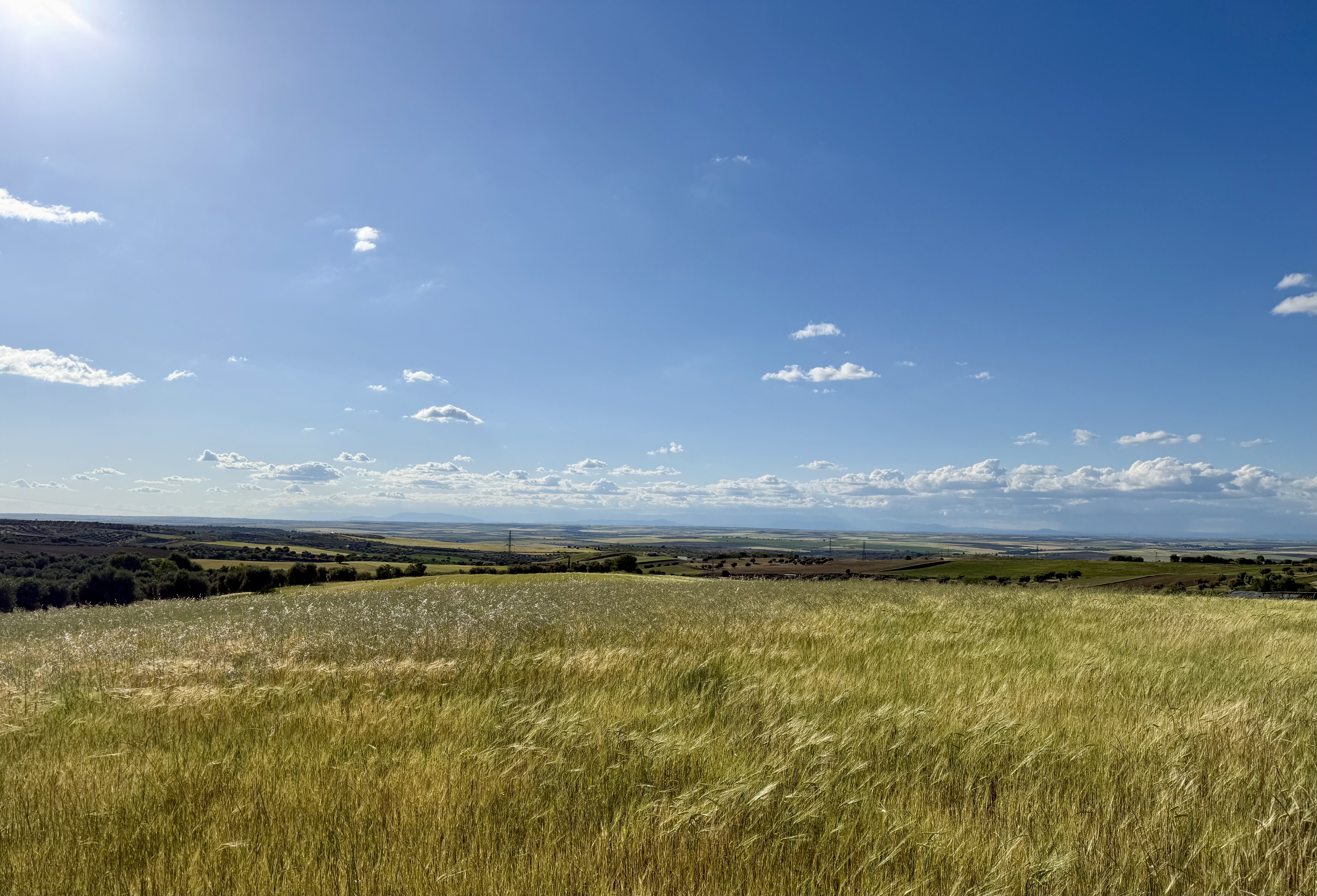
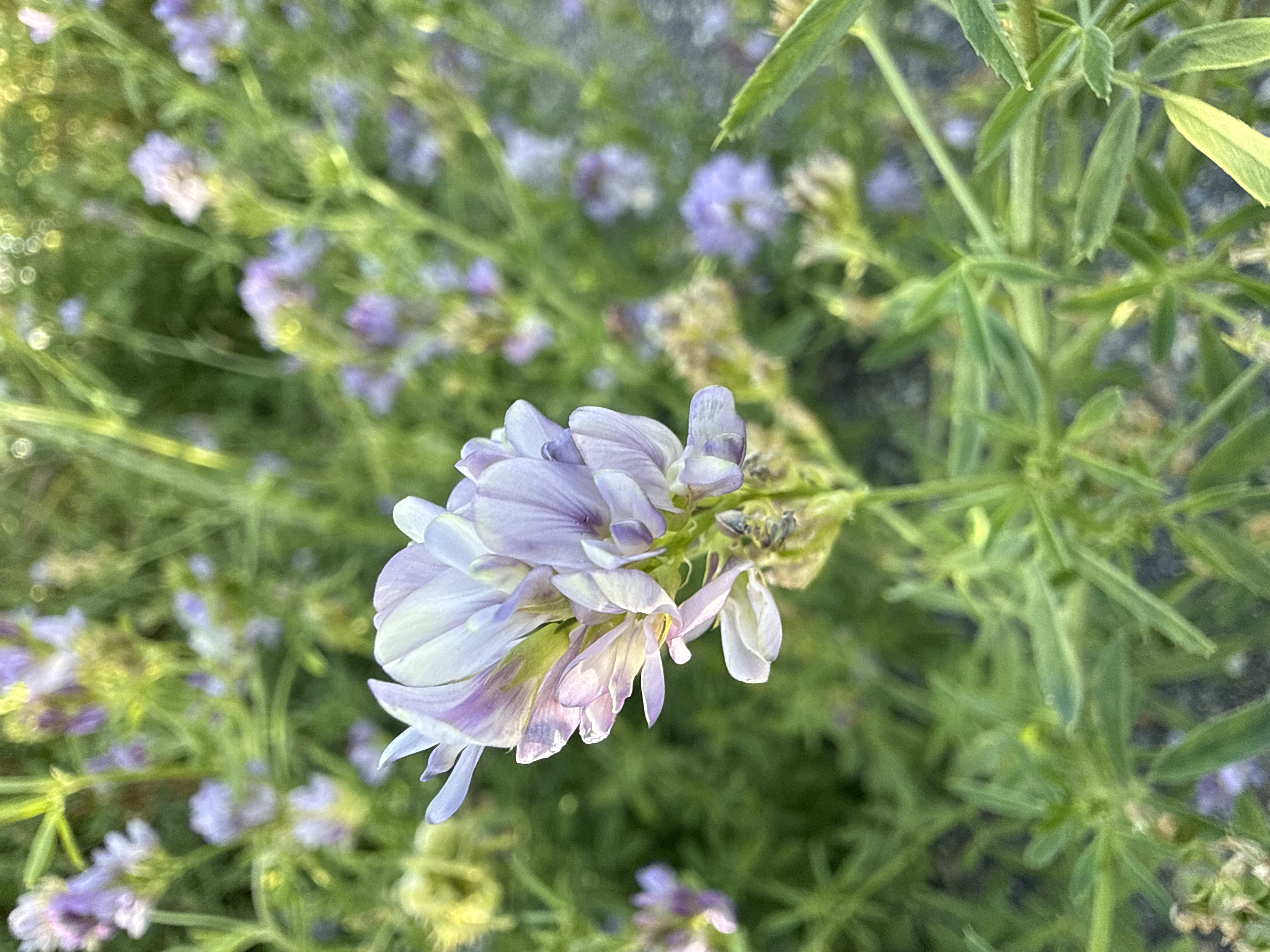
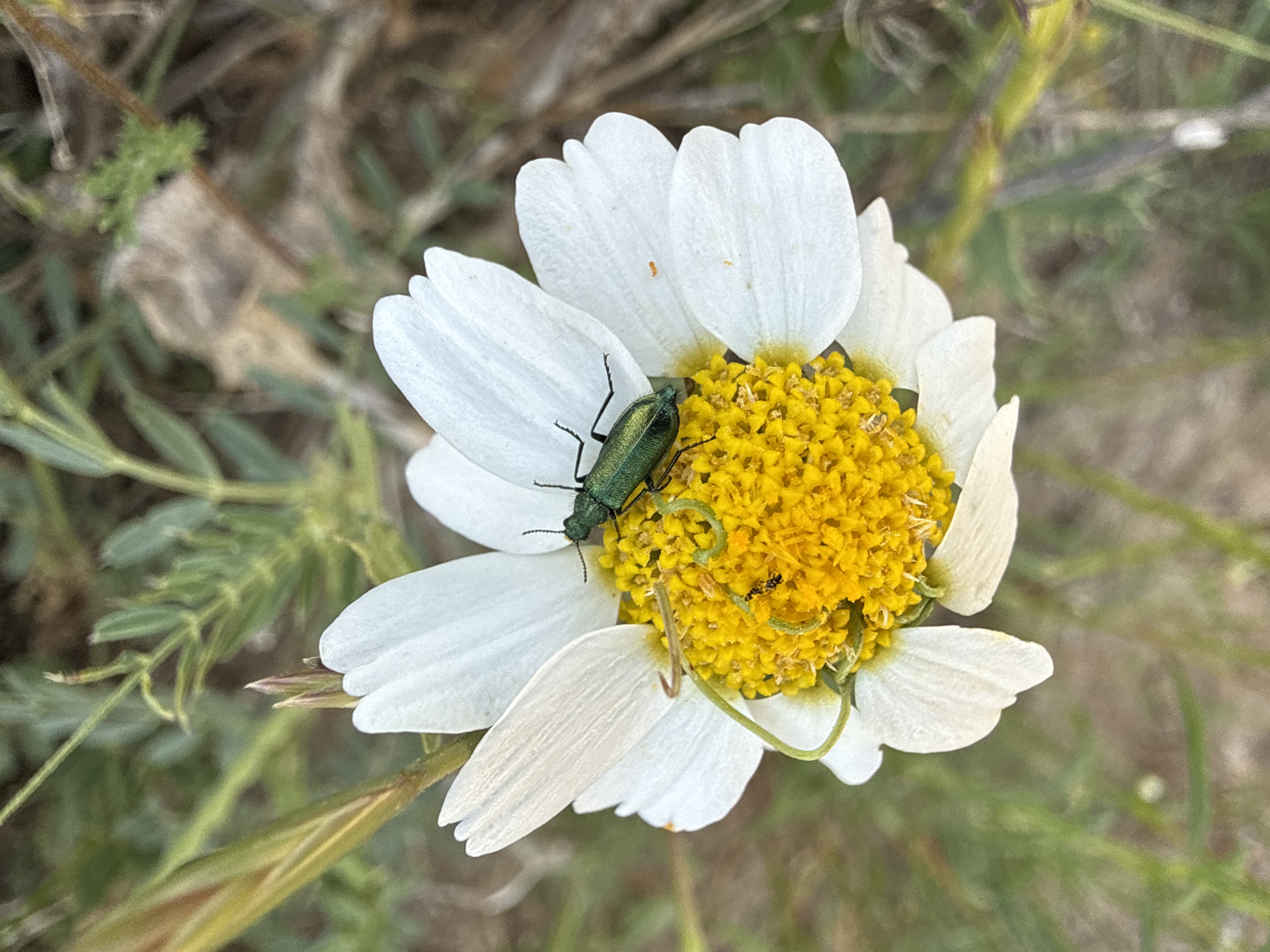
not yet identifiedMay 4, 2026, 4:53 PM
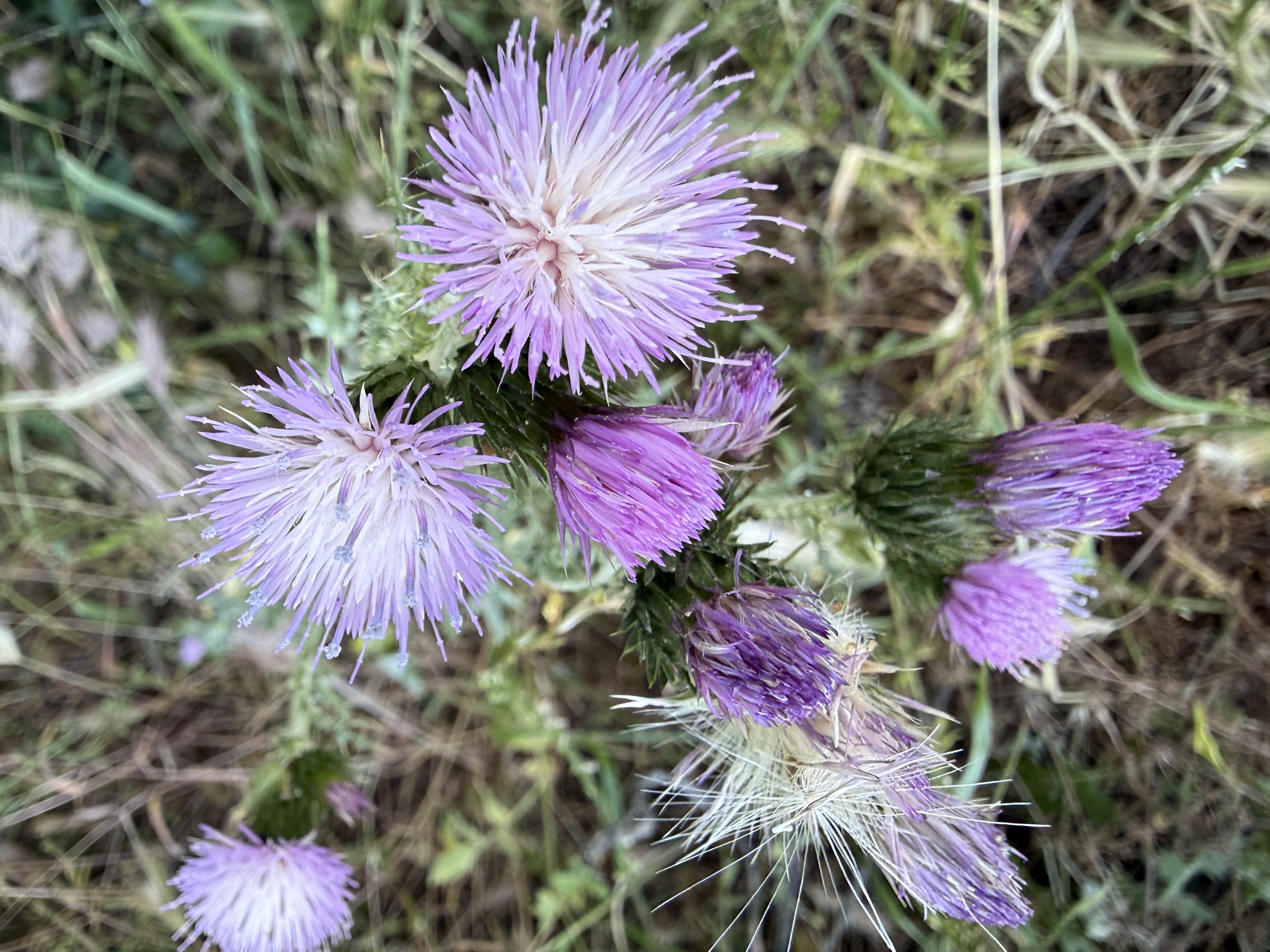
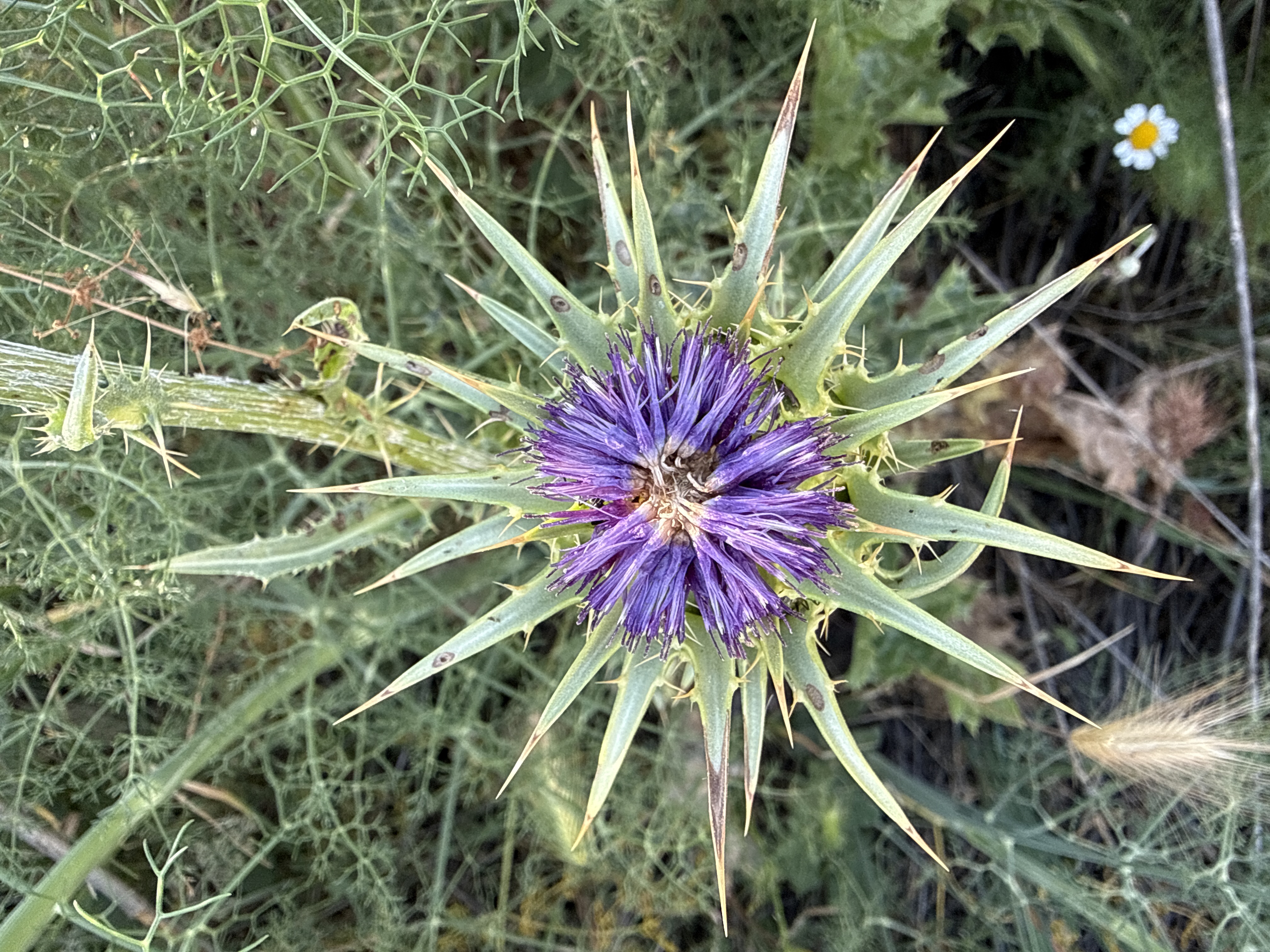
Onopordum acanthium · Scotch ThistleExplore photosynthesisMay 4, 2026, 5:00 PM
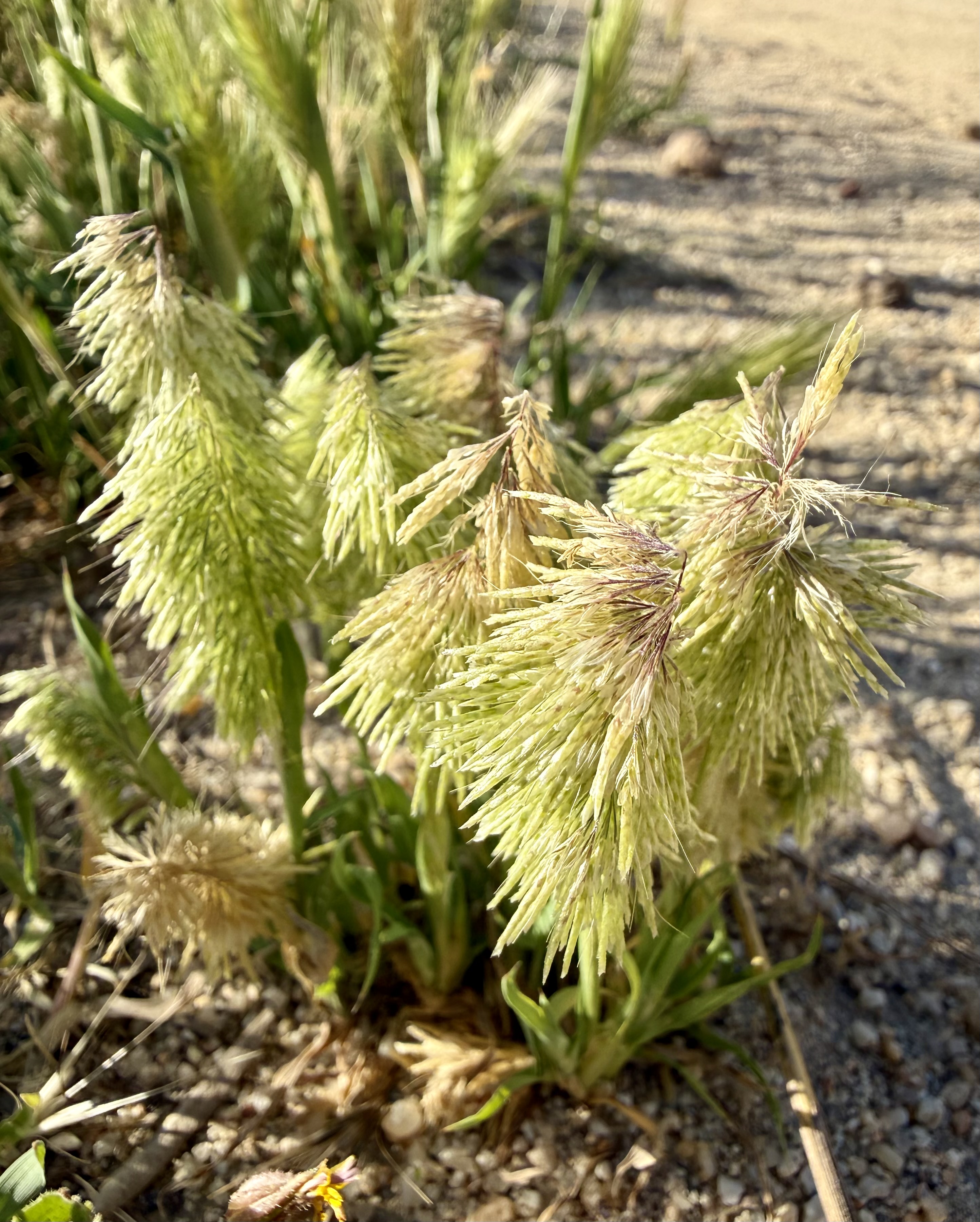
Elymus glaucus · Blue WildryeExplore photosynthesisMay 4, 2026, 5:01 PM
Heliotropium europaeum · HeliotropeExplore photosynthesisuploaded May 4, 2026
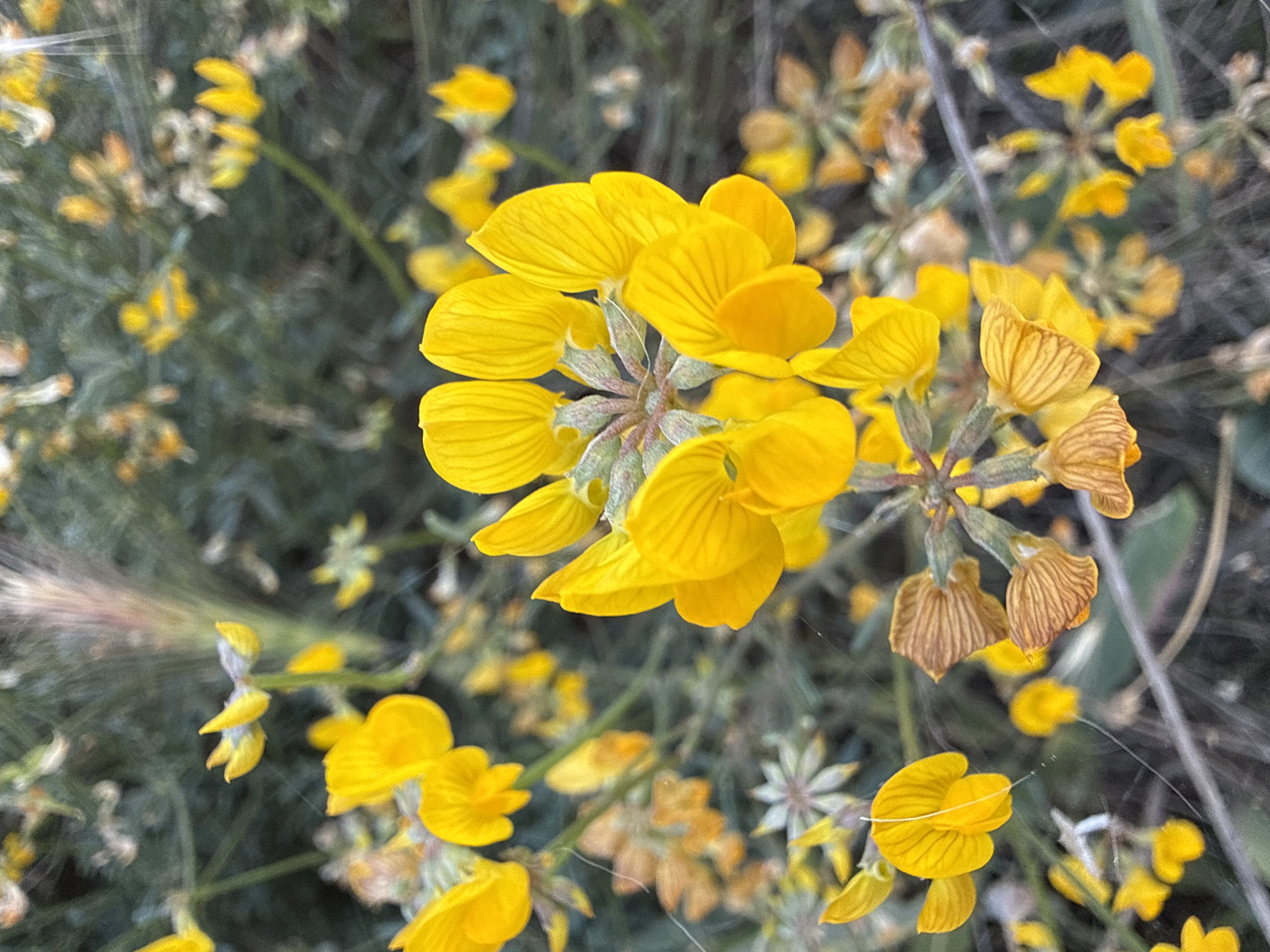
Acmispon strigosus · harlequin lotusExplore photosynthesisuploaded May 4, 2026
Bromidia brenthis · Noneuploaded May 4, 2026
Echinops ritro · Pinecone ThistleExplore photosynthesisuploaded May 4, 2026
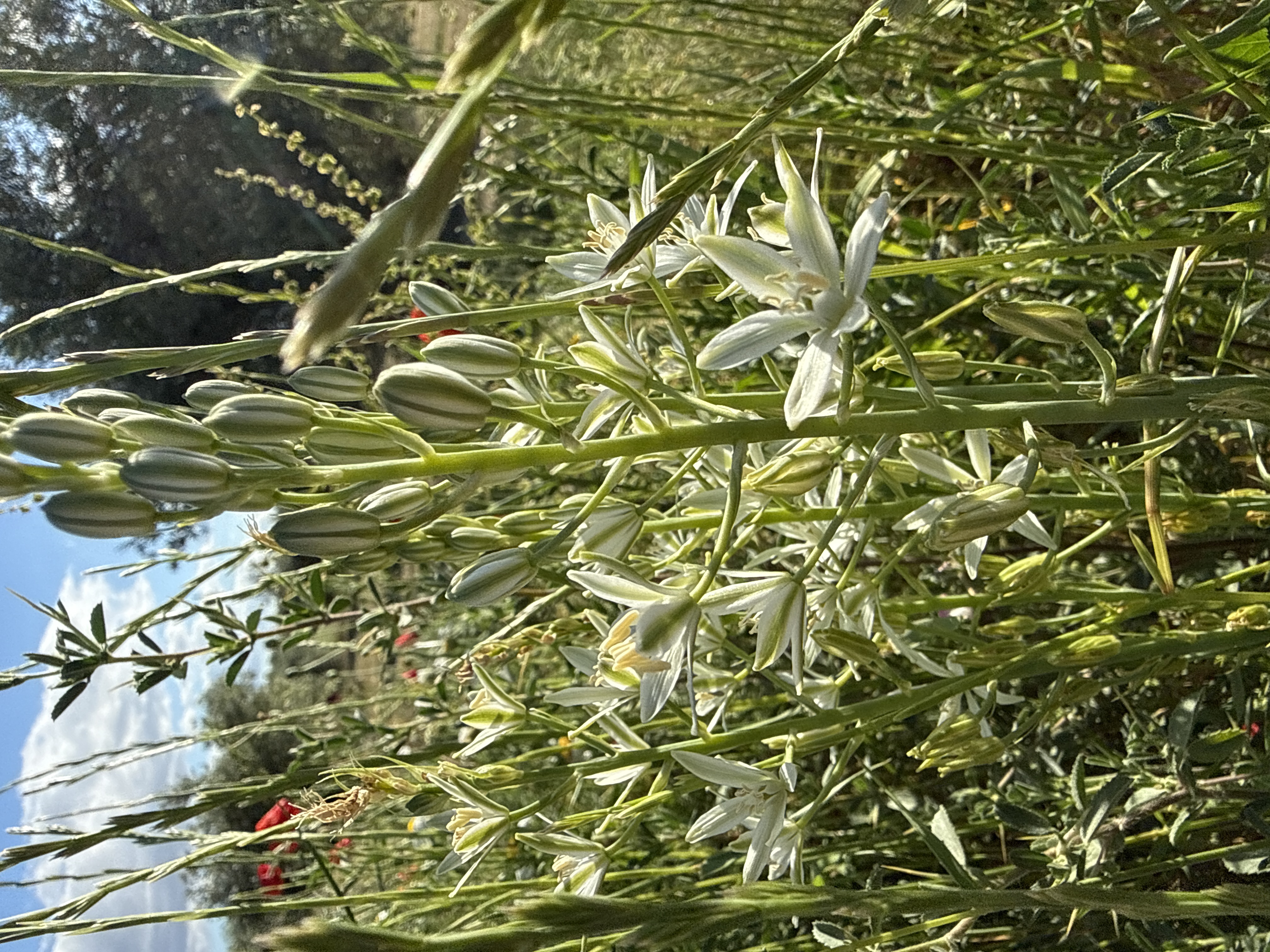
Calochortus · Mariposa LilyExplore photosynthesisuploaded May 4, 2026
Papaver rhoeas · common poppyExplore photosynthesisuploaded May 4, 2026
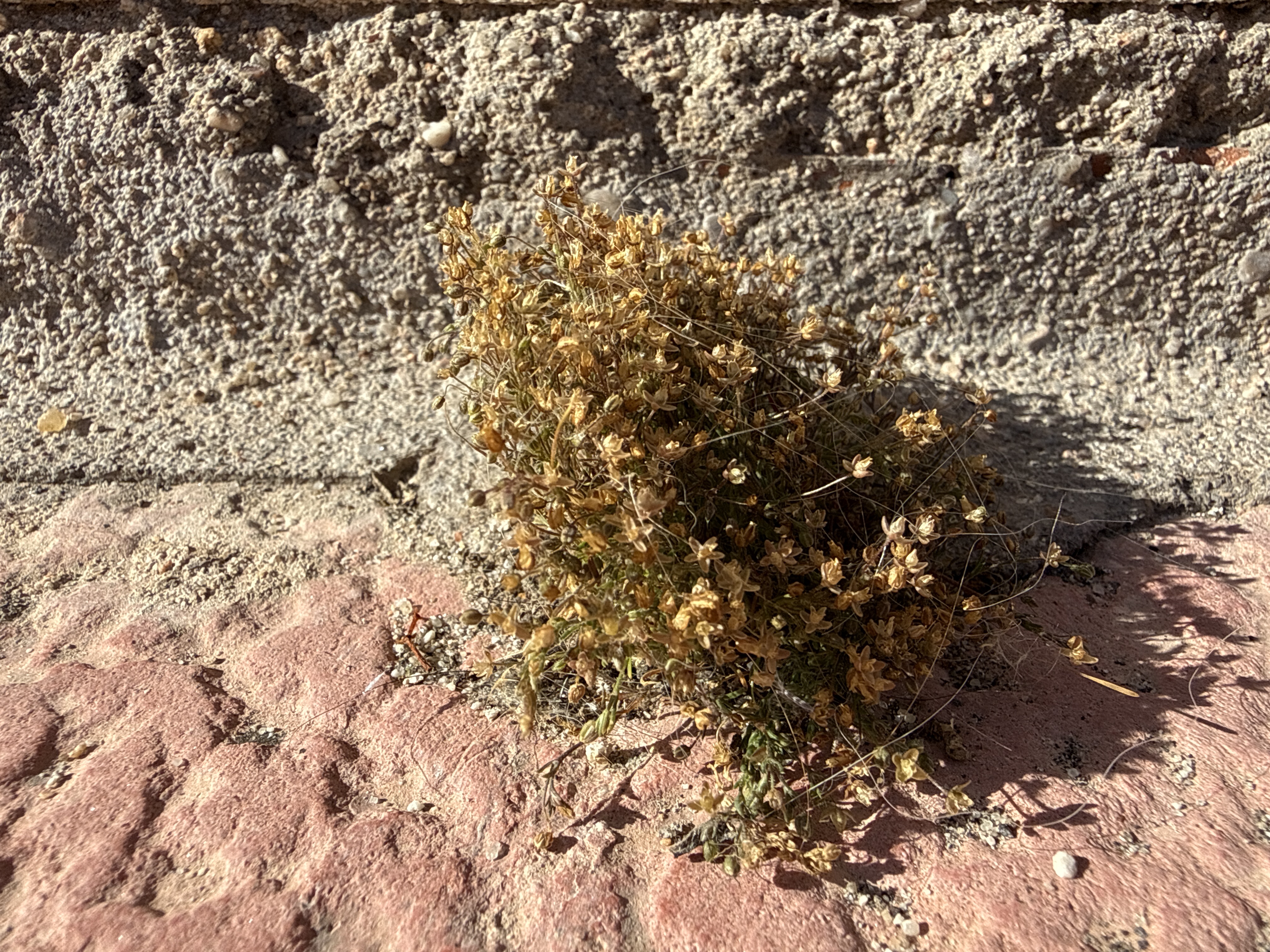
Kali tragus · Russian thistleExplore photosynthesisuploaded May 4, 2026

Ecological interactions

⬇ JSON-LD
competes
  • Blue Wildrye (Elymus glaucus) competes with Russian thistle (Kali tragus)40%
  • Blue Wildrye (Elymus glaucus) competes with Scotch Thistle (Onopordum acanthium)40%
  • Blue Wildrye (Elymus glaucus) competes with Mariposa Lily (Calochortus)40%
  • Mariposa Lily (Calochortus) competes with harlequin lotus (Acmispon strigosus)30%
  • Blue Wildrye (Elymus glaucus) competes with harlequin lotus (Acmispon strigosus)30%
  • Pinecone Thistle (Echinops ritro) competes with Scotch Thistle (Onopordum acanthium)30%
  • harlequin lotus (Acmispon strigosus) competes with common poppy (Papaver rhoeas)30%
  • Scotch Thistle (Onopordum acanthium) competes with Russian thistle (Kali tragus)30%
  • Heliotrope (Heliotropium europaeum) competes with Scotch Thistle (Onopordum acanthium)30%
  • Mariposa Lily (Calochortus) competes with Scotch Thistle (Onopordum acanthium)30%
  • Mariposa Lily (Calochortus) competes with Heliotrope (Heliotropium europaeum)30%

Senda — speculative descendants

Speculative descendants of the species you observed, evolved against the local biome and elevation.

5/4/2026biome unknowncompleted
Gen 5

Dwarf Heliotrope

Heliotropium pumilum

descended from Heliotropium europaeum

In response to intense grazing pressure from herbivores, Heliotropium europaeum gave rise to a dwarfed, sessile descendant. This new species, Heliotropium pumilum, developed succulent leaves to store water and sticky stems to deter herbivores. Its reduced size allows it to thrive in dry, rocky outcrops where competition is low.

succulent leavessticky stems
Gen 3

Thistle Bug

Bromidia thistletoni

descended from Bromidia brenthis

As thistle species like Onopordum acanthium and Echinops ritro became more abundant, Bromidia brenthis evolved into a specialized herbivore. The Thistle Bug developed a long proboscis to feed on thistle nectar and a spiny exoskeleton to deter predators. Its spiny legs also help it grasp onto thistle stems.

long proboscisspiny legs
Gen 4

Drought-Tolerant Mariposa Lily

Calochortus xerophilus

descended from Calochortus

In response to increasing drought, Calochortus evolved a drought-tolerant descendant. This new species, Calochortus xerophilus, developed waxy leaves to conserve water and a deep taproot to access groundwater. Its increased size allows it to compete with other vegetation in dry meadows.

waxy leavesdeep taproot
Gen 6

Rhiolitic Russian Thistle

Kali lithophilus

descended from Kali tragus

As rocky outcrops became more prevalent, Kali tragus gave rise to a lithophilous descendant. This new species, Kali lithophilus, developed sharp, siliceous spines to deter herbivores and rhizomatous growth to colonize rocky crevices. Its increased size allows it to outcompete other vegetation on rocky outcrops.

rhizomatous growthsiliceous spines

Synthetic landscape

Generate a naturalistic illustration of this place built from the species you identified.

Optional: pick a photo to use as a template. Composition (depth) preserves layout; Style (reference) preserves the look of the place.