← All excursions

Bargas - parque - Mercadona 1

Urban

Started May 5, 2026, 4:23 PM

Notes

urban walk through bargas with a visit to the park

Photos & observations
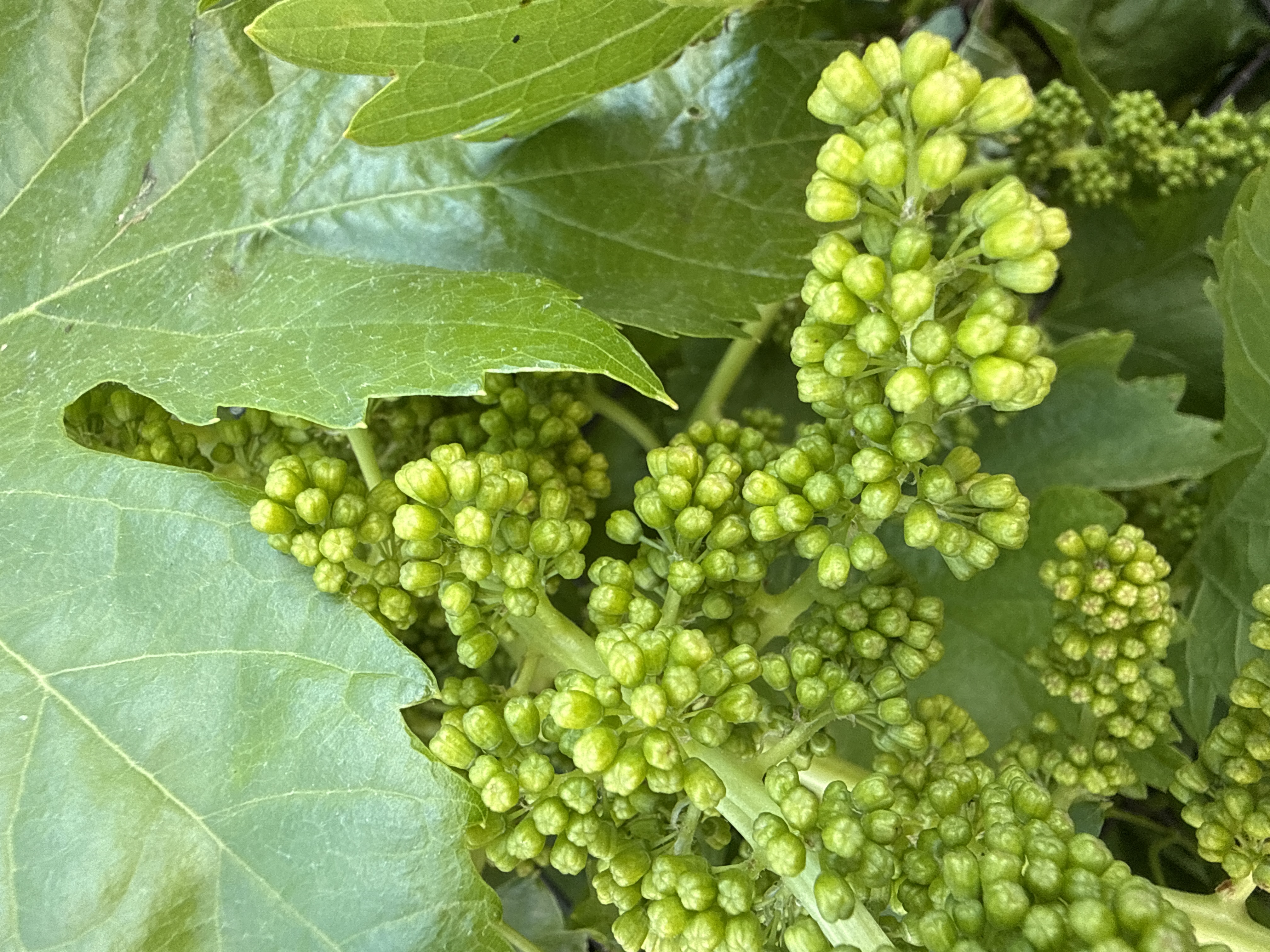
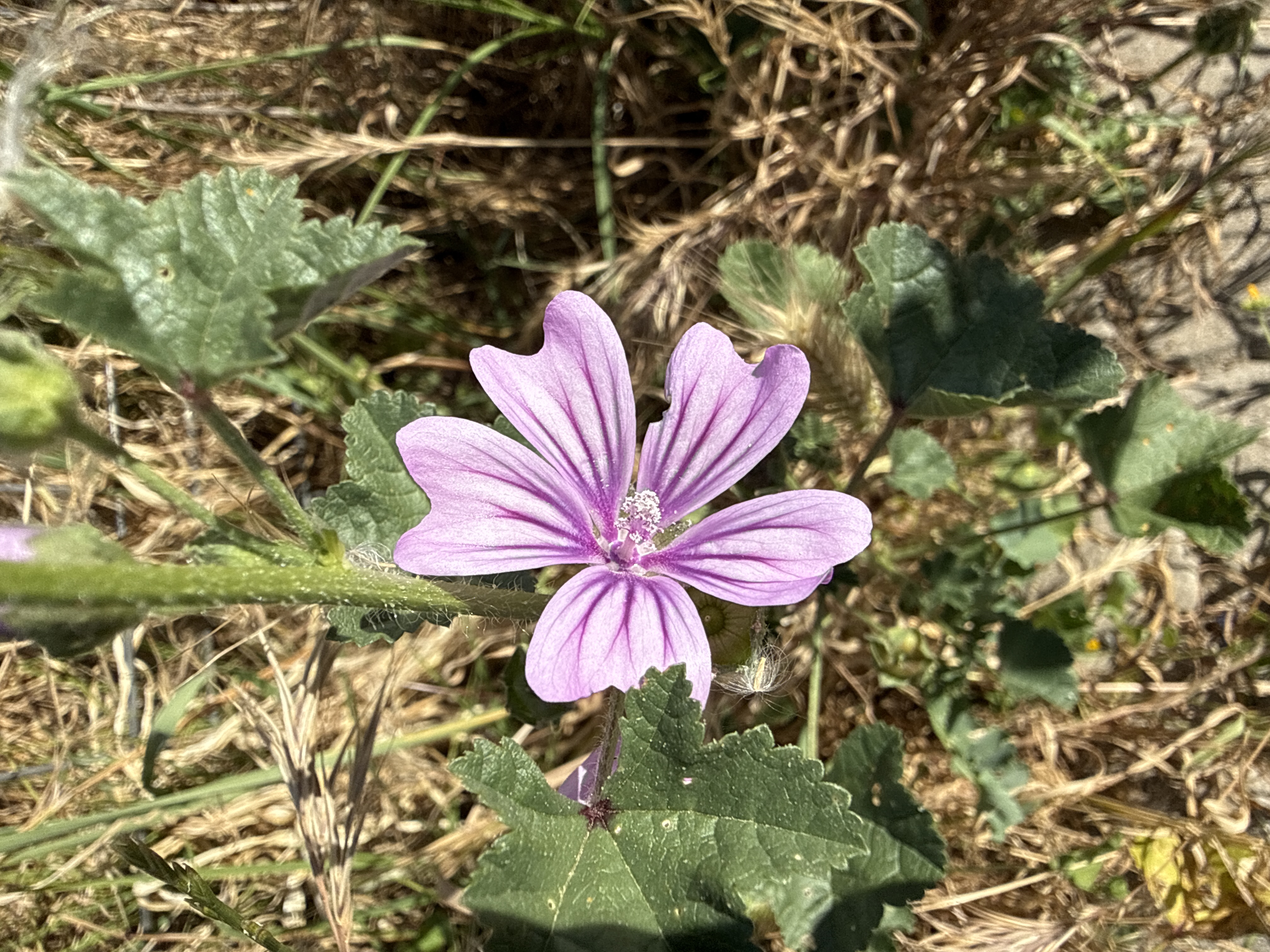
Arum maculatum · Lords and LadiesExplore photosynthesisuploaded May 5, 2026
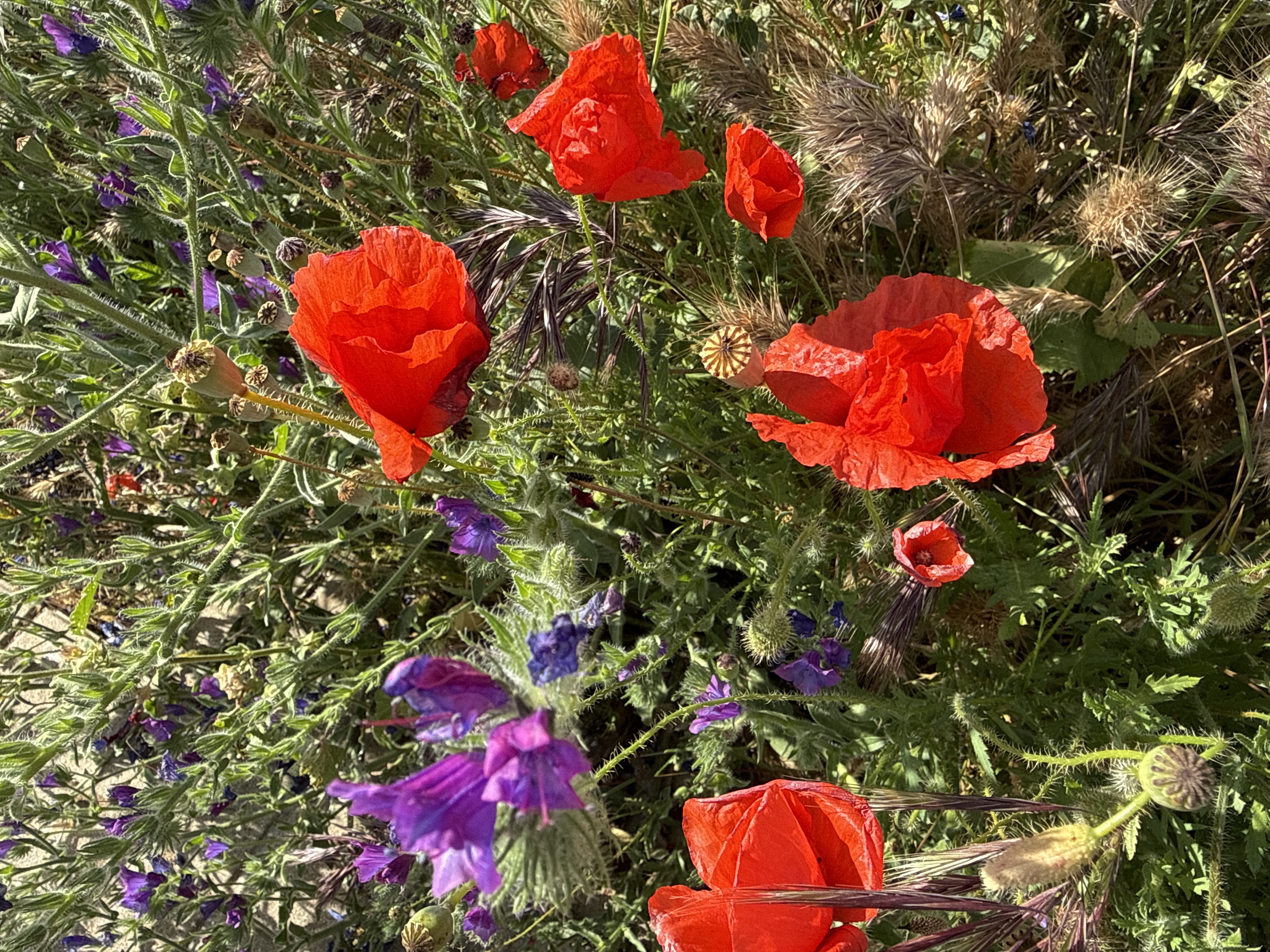
Papaver rhoeas · common poppyExplore photosynthesisuploaded May 5, 2026
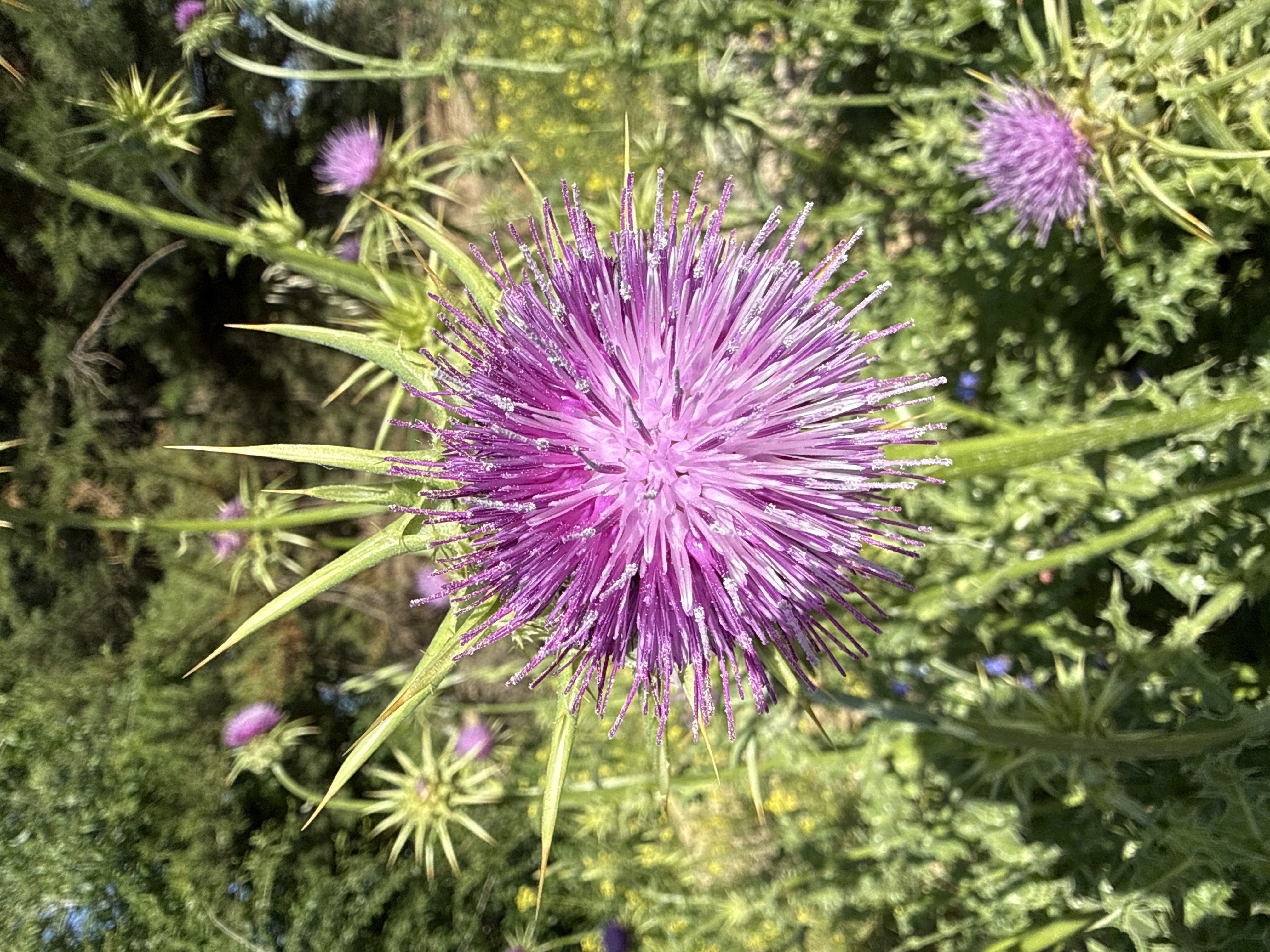
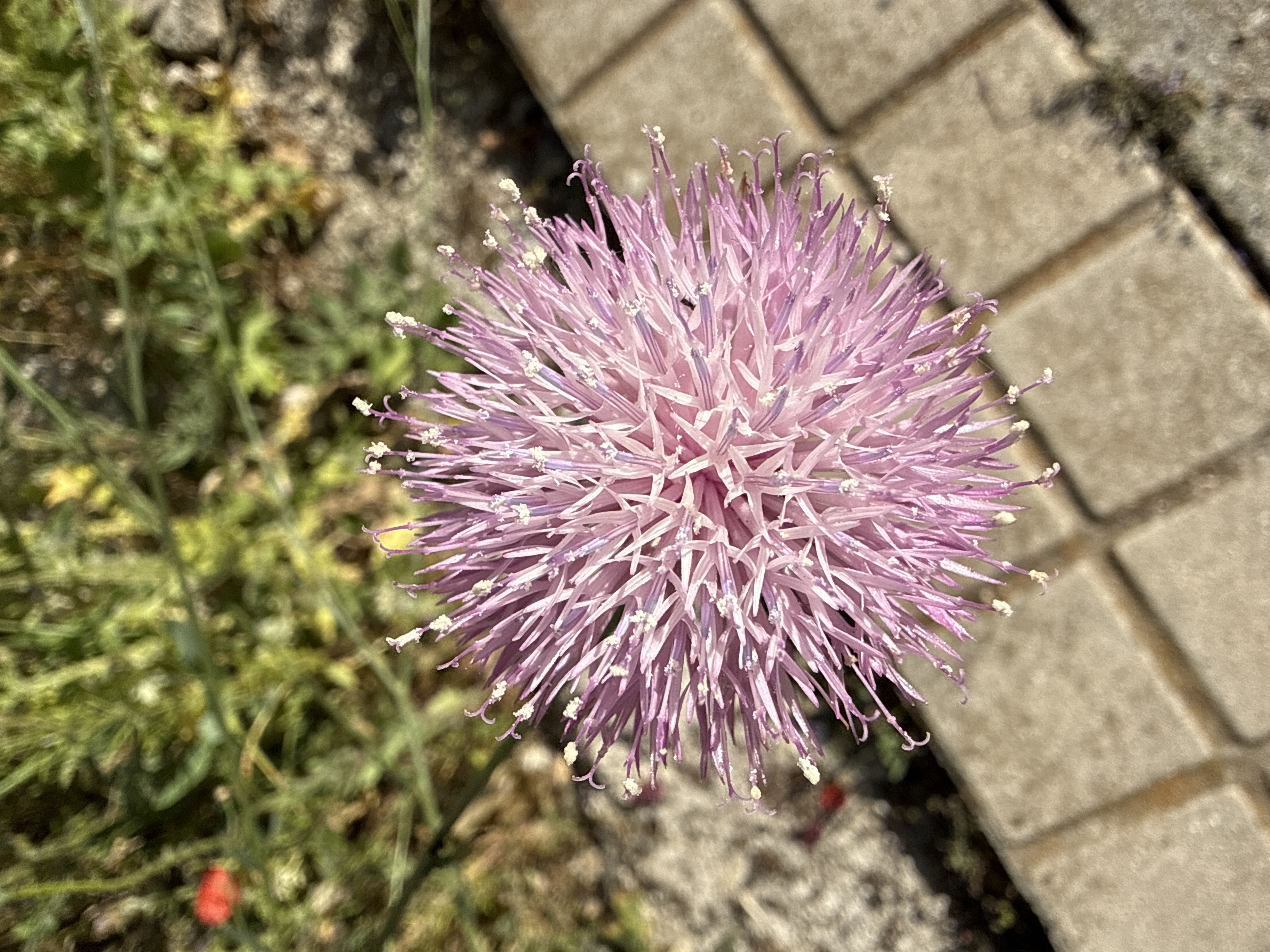
Onopordum acanthium · Scotch ThistleExplore photosynthesisuploaded May 5, 2026
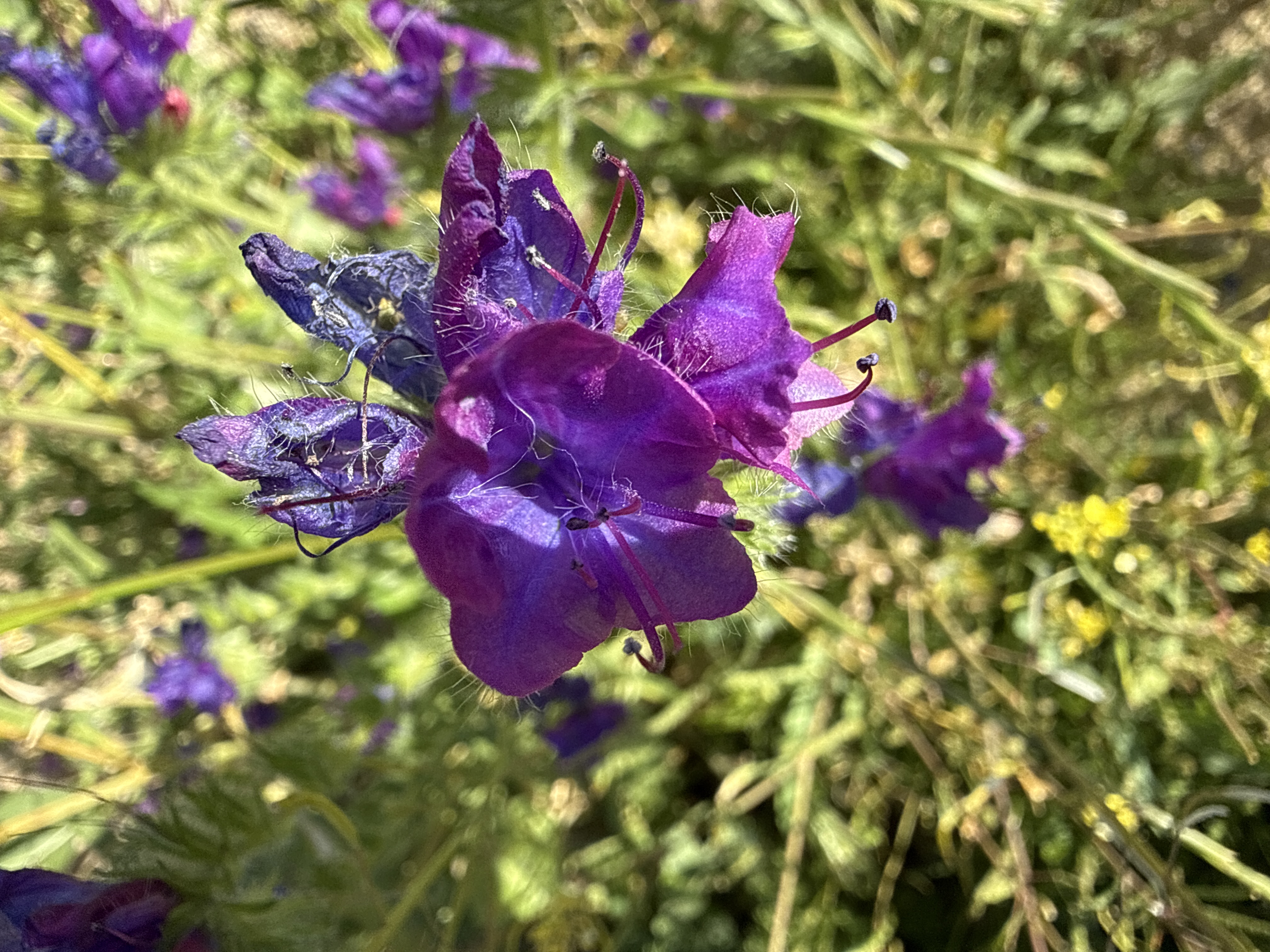
Campanula medium · Canterbury bellsExplore photosynthesisuploaded May 5, 2026
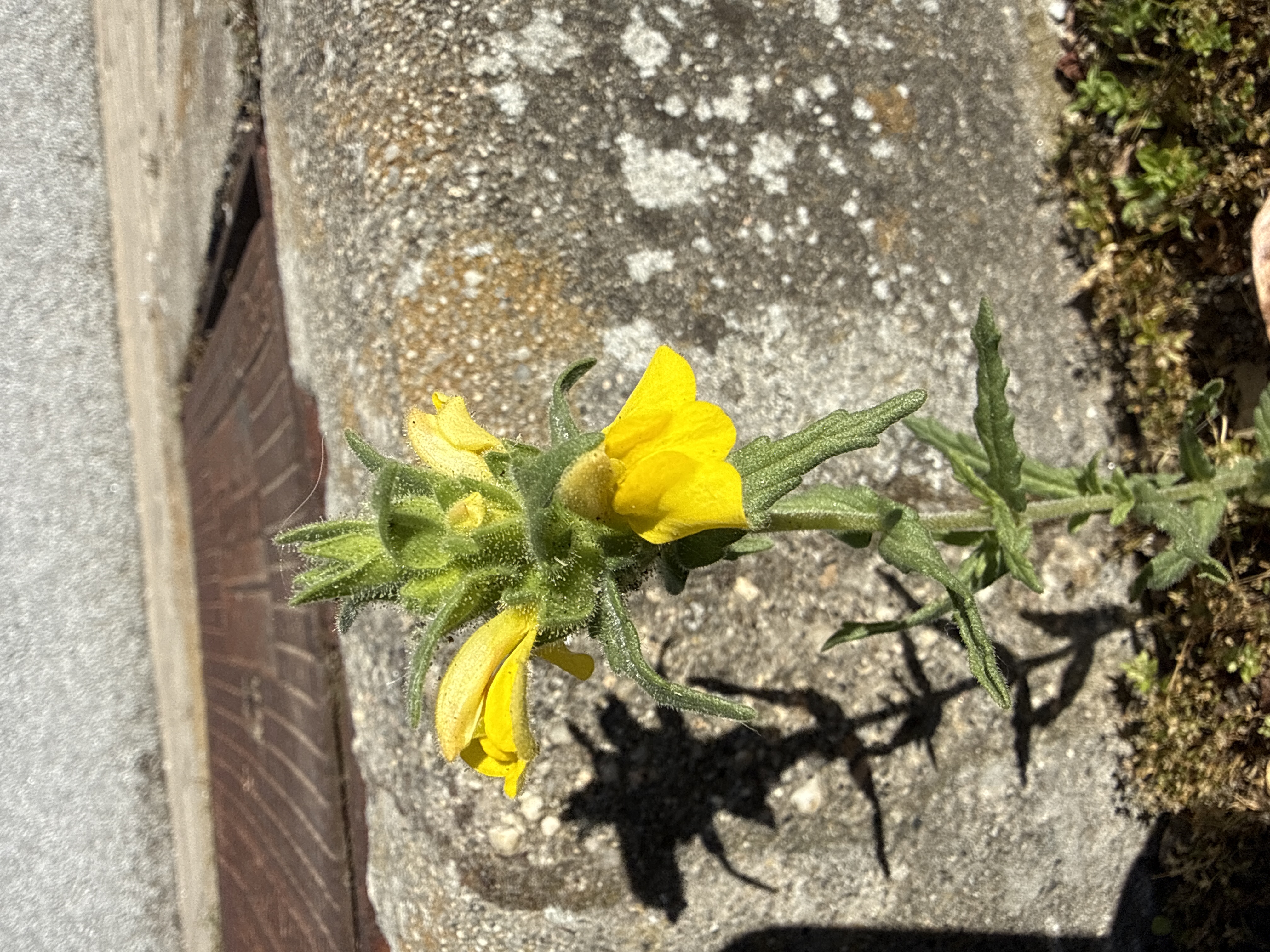
Linaria vulgaris · ButterwortExplore photosynthesisuploaded May 5, 2026
Geranium molle · Dusty MillerExplore photosynthesisuploaded May 5, 2026
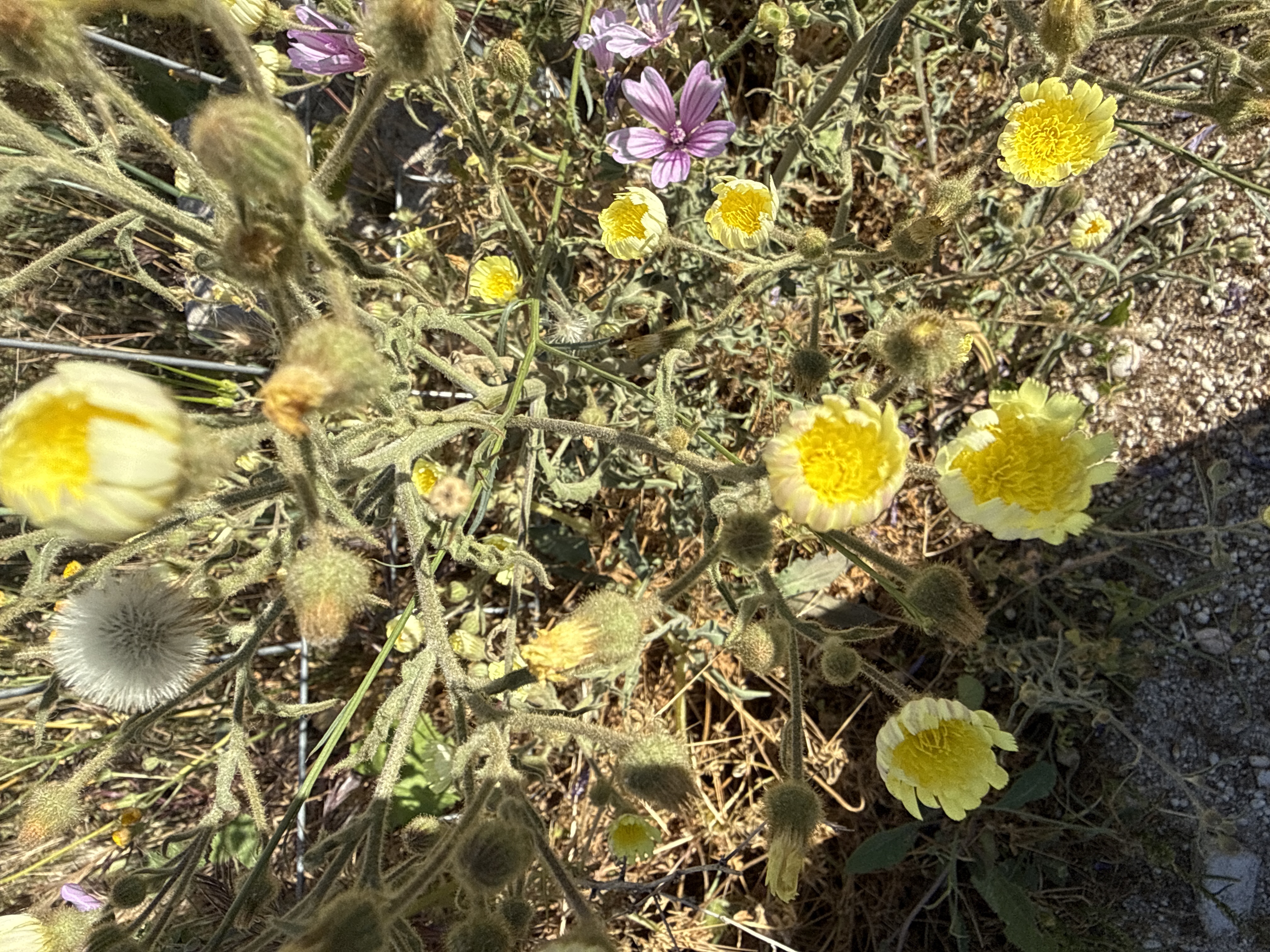
Encelia californica · California GoldfieldsExplore photosynthesisuploaded May 5, 2026
Cirsium arvense · Canada thistleExplore photosynthesisuploaded May 5, 2026
Portulaca oleracea · PurslaneExplore photosynthesisuploaded May 5, 2026
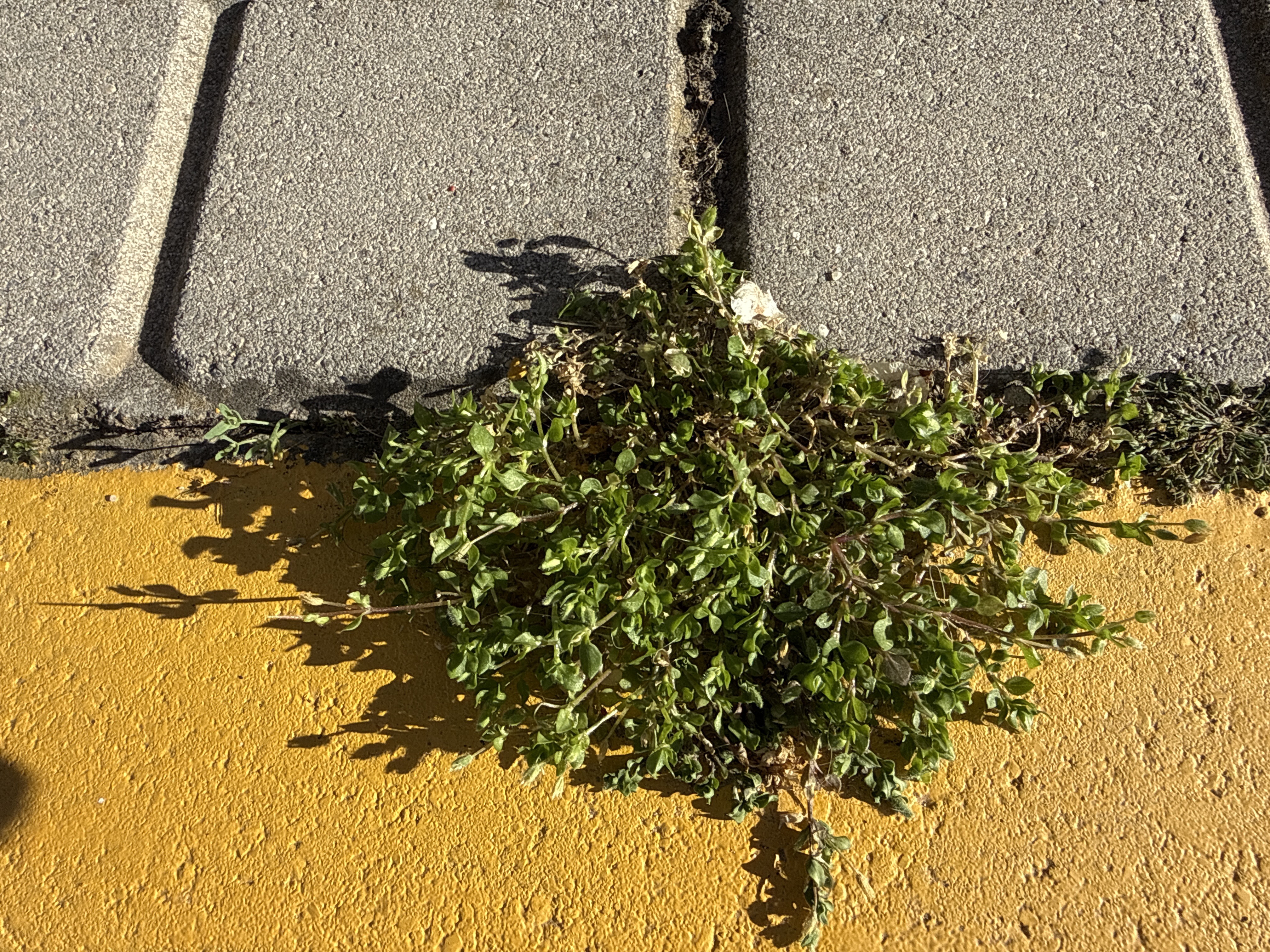
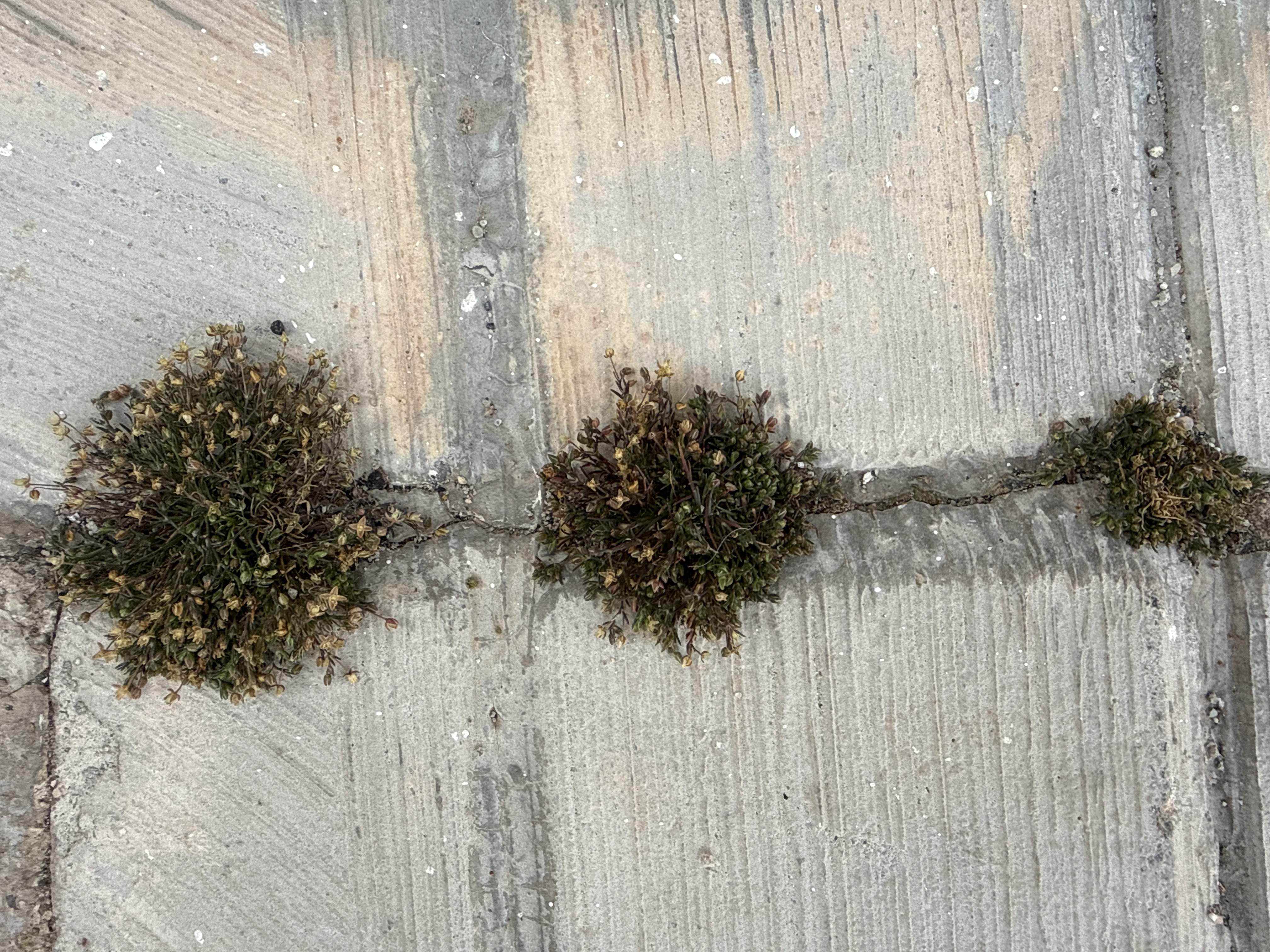
Bryum argenteum · Silver MossExplore photosynthesisuploaded May 5, 2026
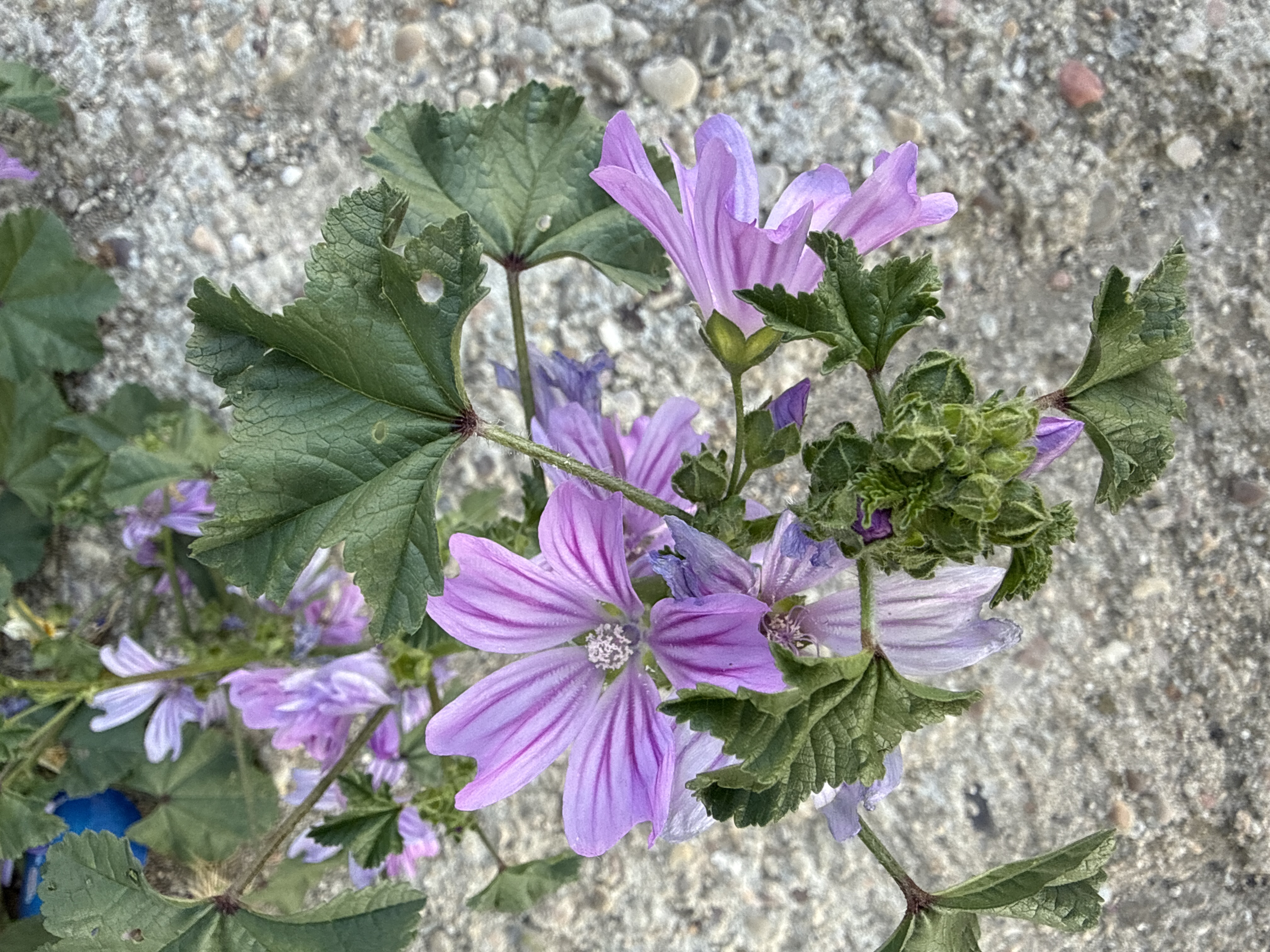
Malva moschata · Musk MallowExplore photosynthesisuploaded May 5, 2026
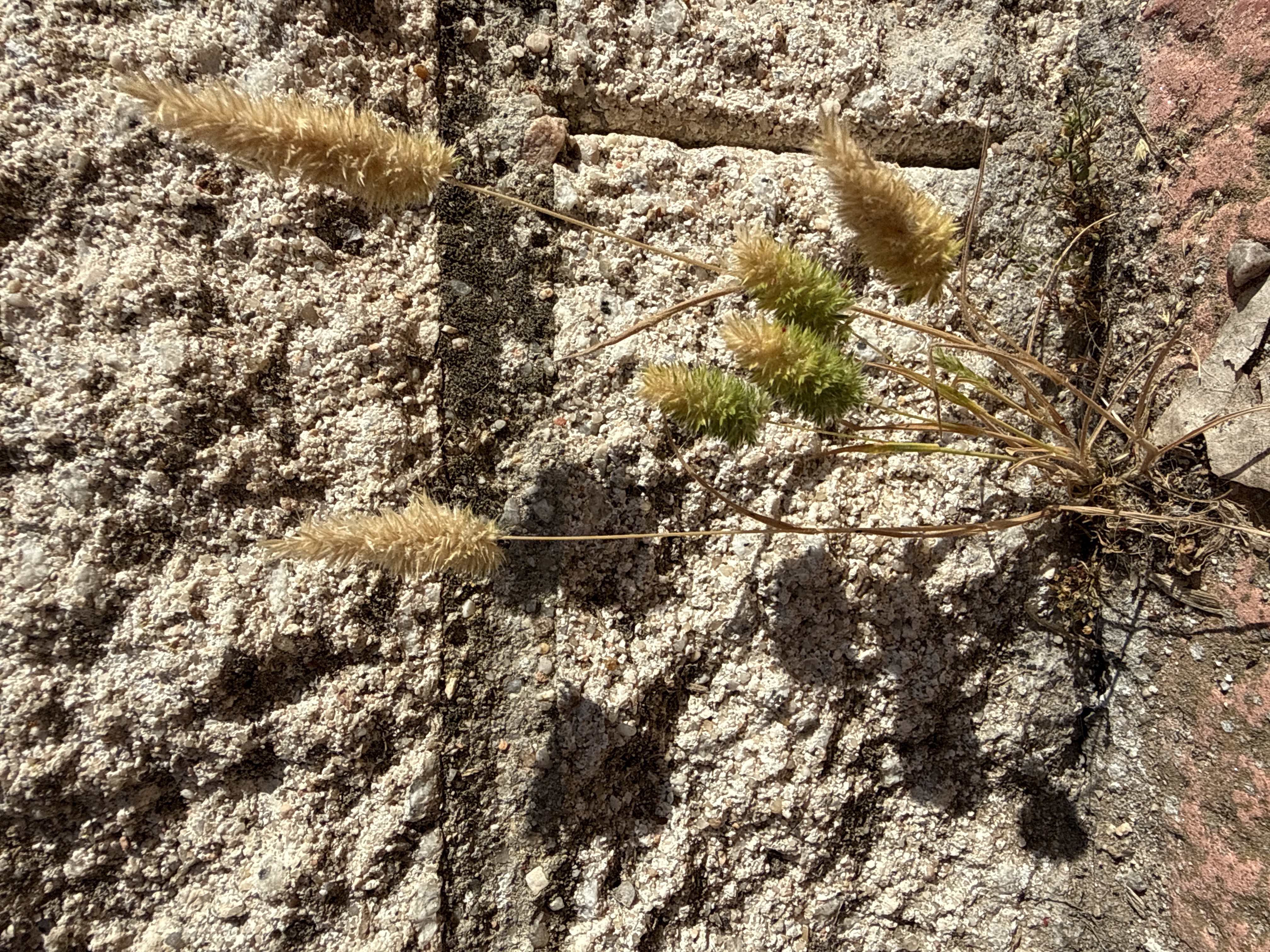
Setaria · FoxtailExplore photosynthesisuploaded May 5, 2026

Ecological interactions

No interactions yet. Identify some species, then build the graph.

Senda — speculative descendants

Speculative descendants of the species you observed, evolved against the local biome and elevation.

5/5/2026urbancompleted
Gen 5

Urban Thistle

Onopordum urbanum

descended from Onopordum acanthium

The Urban Thistle evolved from Onopordum acanthium as a response to the harsh conditions of city life. Intense sunlight, lack of water, and constant disturbance by humans led to the development of a deep taproot and tough, waxy coatings. Its thorns became more effective at deterring both animals and humans, allowing it to thrive in the cracks of sidewalks and building facades.

Deep taproot to access water deep in urban soilThorns modified to deter human and animal browsing
Gen 3

Pavement Moss

Bryum urbanum

descended from Bryum argenteum

The Pavement Moss descended from Bryum argenteum, adapting to the urban environment's challenges. It developed an extreme tolerance to desiccation and rapid rehydration capabilities, allowing it to thrive on flat, sun-exposed surfaces like pavement and building facades. Its dense mats help retain moisture, enabling it to survive in areas with limited rainfall.

Tolerant of pollutants and high pH levelsForms dense, sponge-like mats to retain water
Gen 4

Refuse Poppy

Papaver rudorum

descended from Papaver rhoeas

The Refuse Poppy evolved from Papaver rhoeas in response to the unpredictable environment of urban areas. Its seeds developed increased longevity, allowing them to survive periods of disturbance and competition. It adapted to utilize organic waste as a supplement to photosynthesis, thriving in areas with abundant refuse.

Flowers modified to attract urban pollinatorsSeeds can lie dormant for extended periods until conditions improve
Gen 6

Wire Moss

Null

descended from Bryum argenteum

The Wire Moss is a hypothetical descendant of Bryum argenteum, thriving in the most peculiar urban niches. It adapted to life on utility wires and narrow ledges, developing flexible stems and specialized rhizoids to adhere to surfaces. Its cells contain protective compounds against the unique stresses of the urban electromagnetic environment.

Stems can adhere to surfaces through modified rhizoidsCells contain compounds to protect against electromagnetic radiation
5/5/2026biome unknowncompleted

Synthetic landscape

Generate a naturalistic illustration of this place built from the species you identified.

Optional: pick a photo to use as a template. Composition (depth) preserves layout; Style (reference) preserves the look of the place.