← All excursions

Bargas - casa- camino colesterol 1

Mixed

Started May 7, 2026, 4:59 PM

Notes

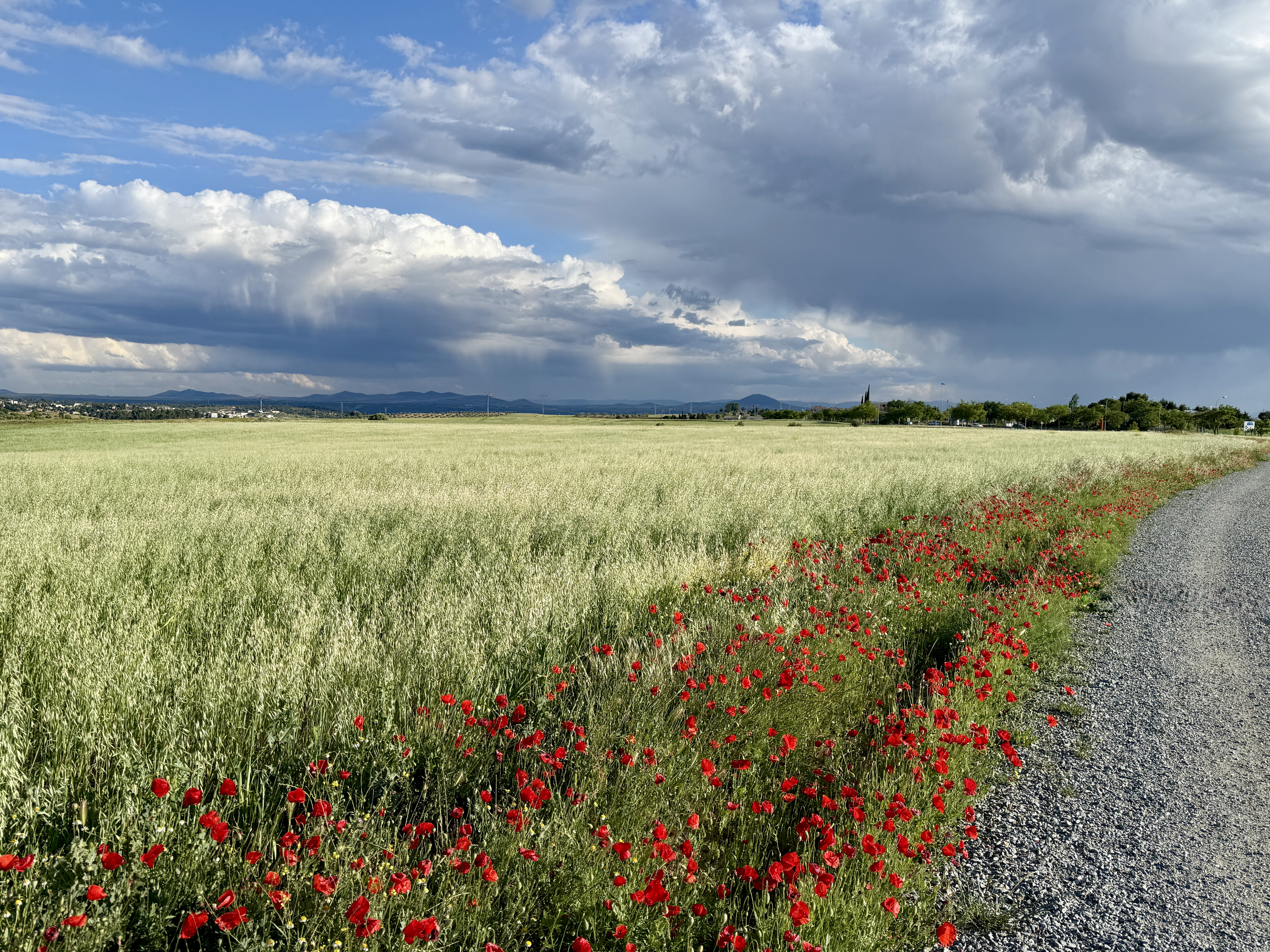
Stormy, cool and windy day

Photos & observations
not yet identifiedMay 7, 2026, 5:15 PM
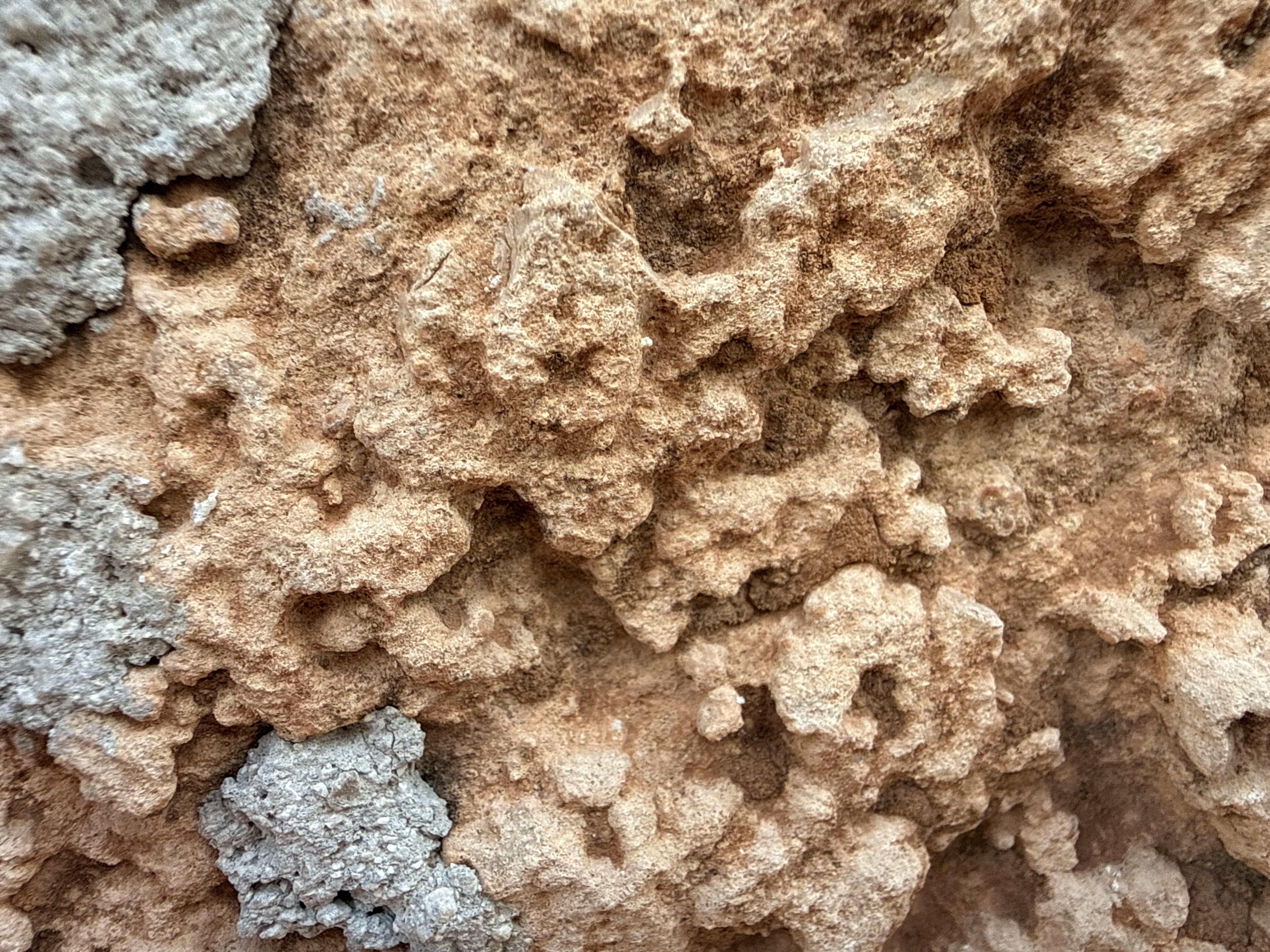
Fuligo septica · Dog vomit slime molduploaded May 7, 2026
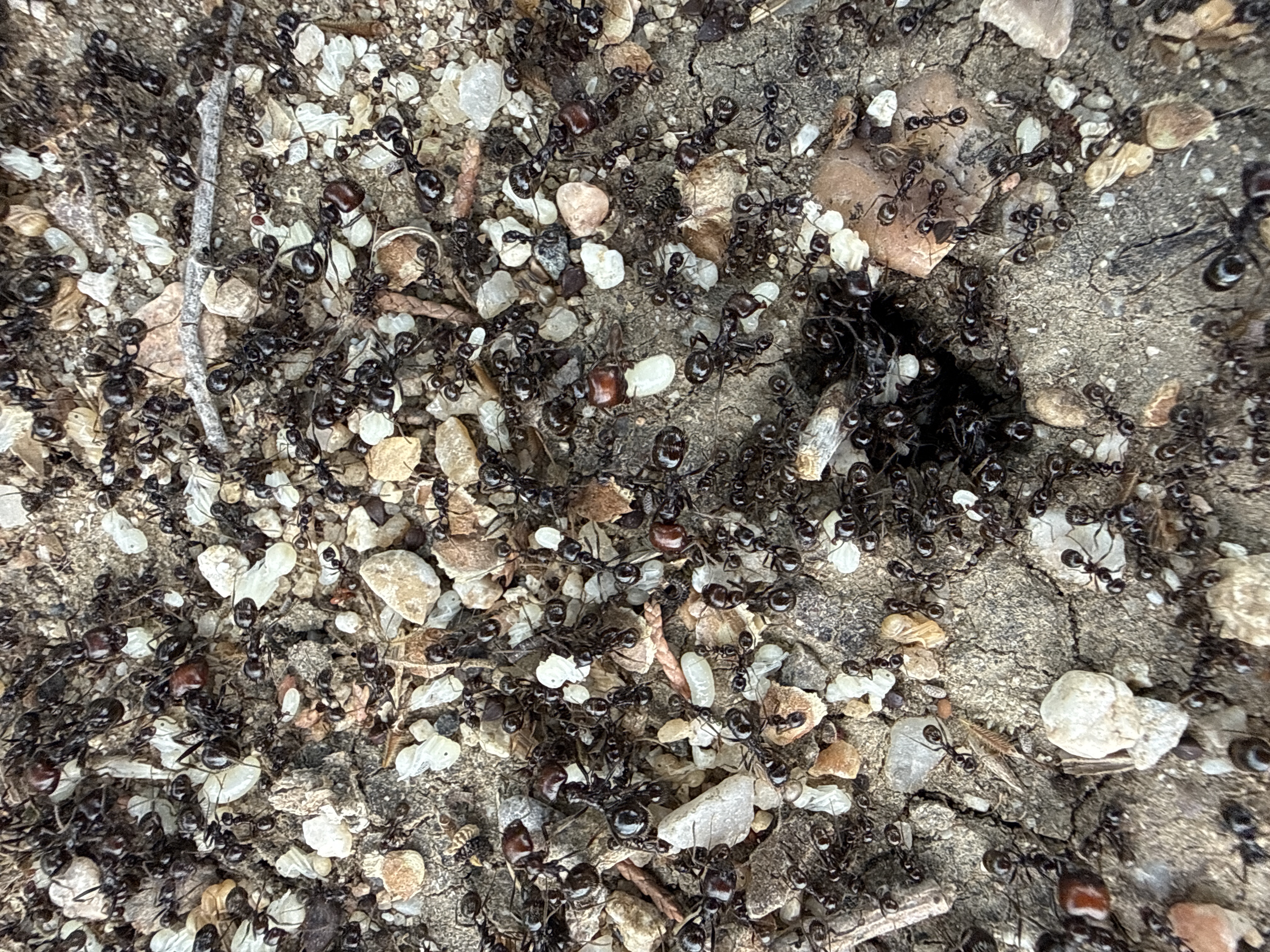
Solenopsis invicta · red imported fire antuploaded May 7, 2026
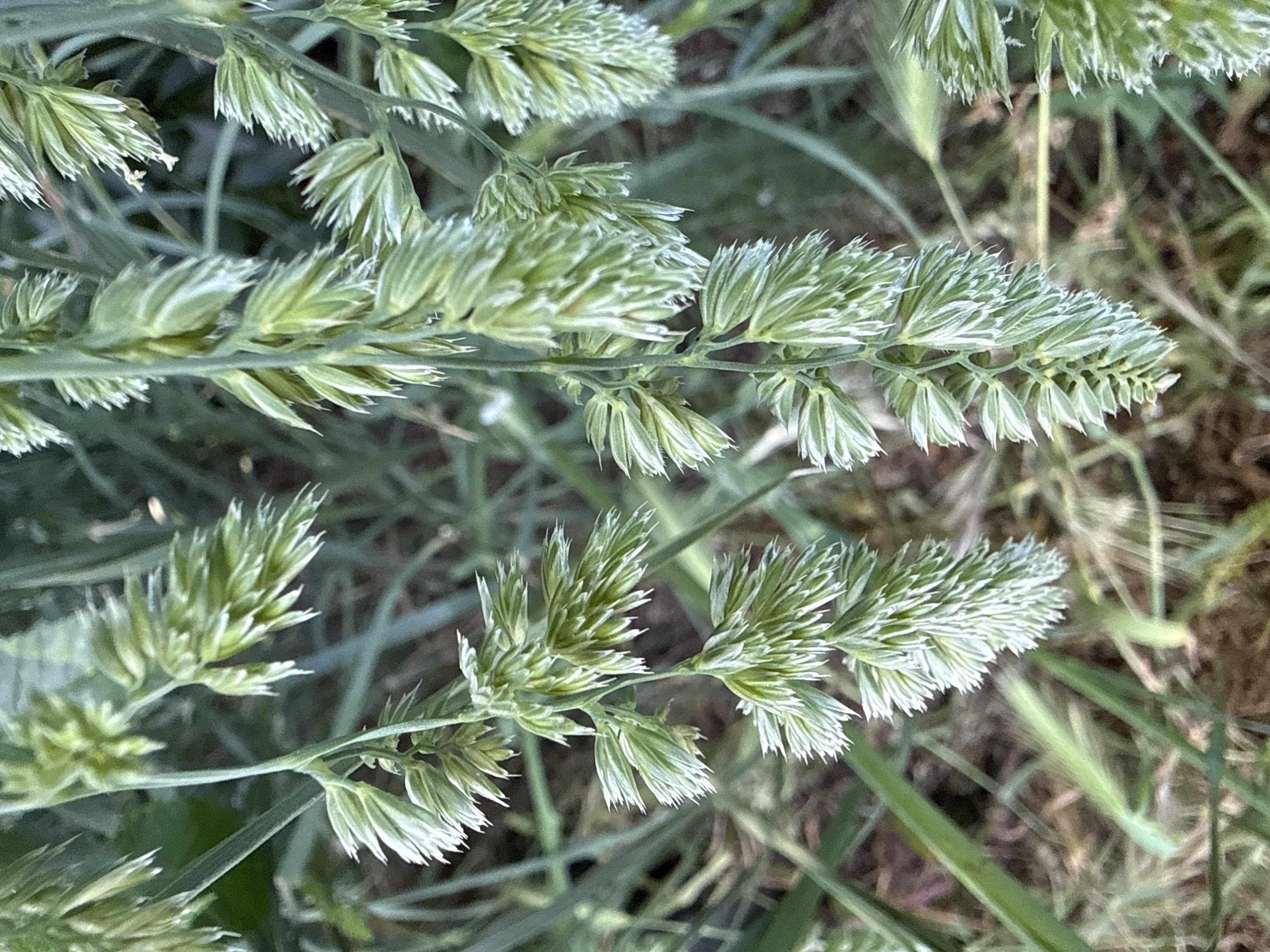
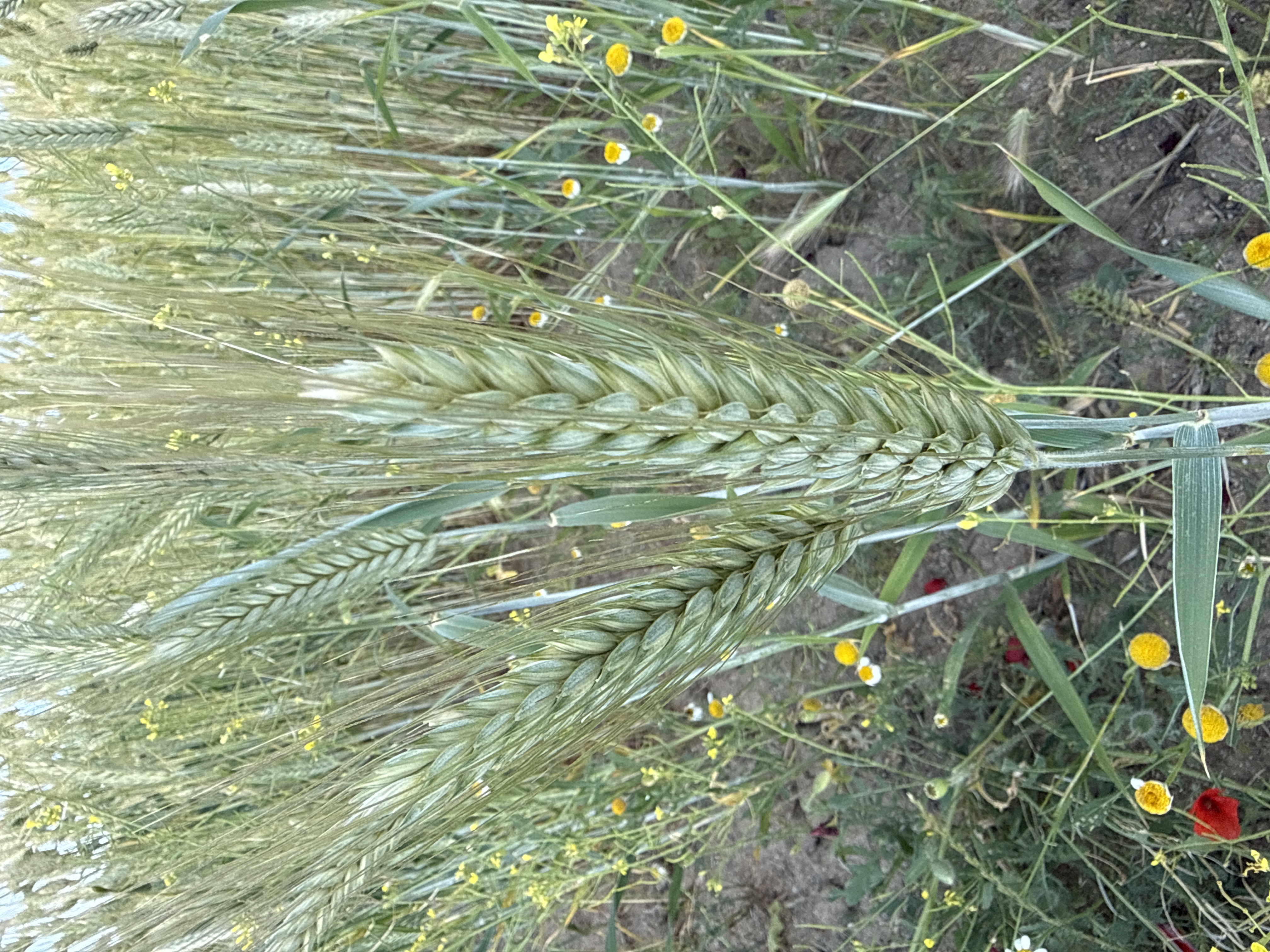
Elymus · WheatgrassExplore photosynthesisuploaded May 7, 2026
Stipa capensis · Themeda capensisExplore photosynthesisuploaded May 7, 2026
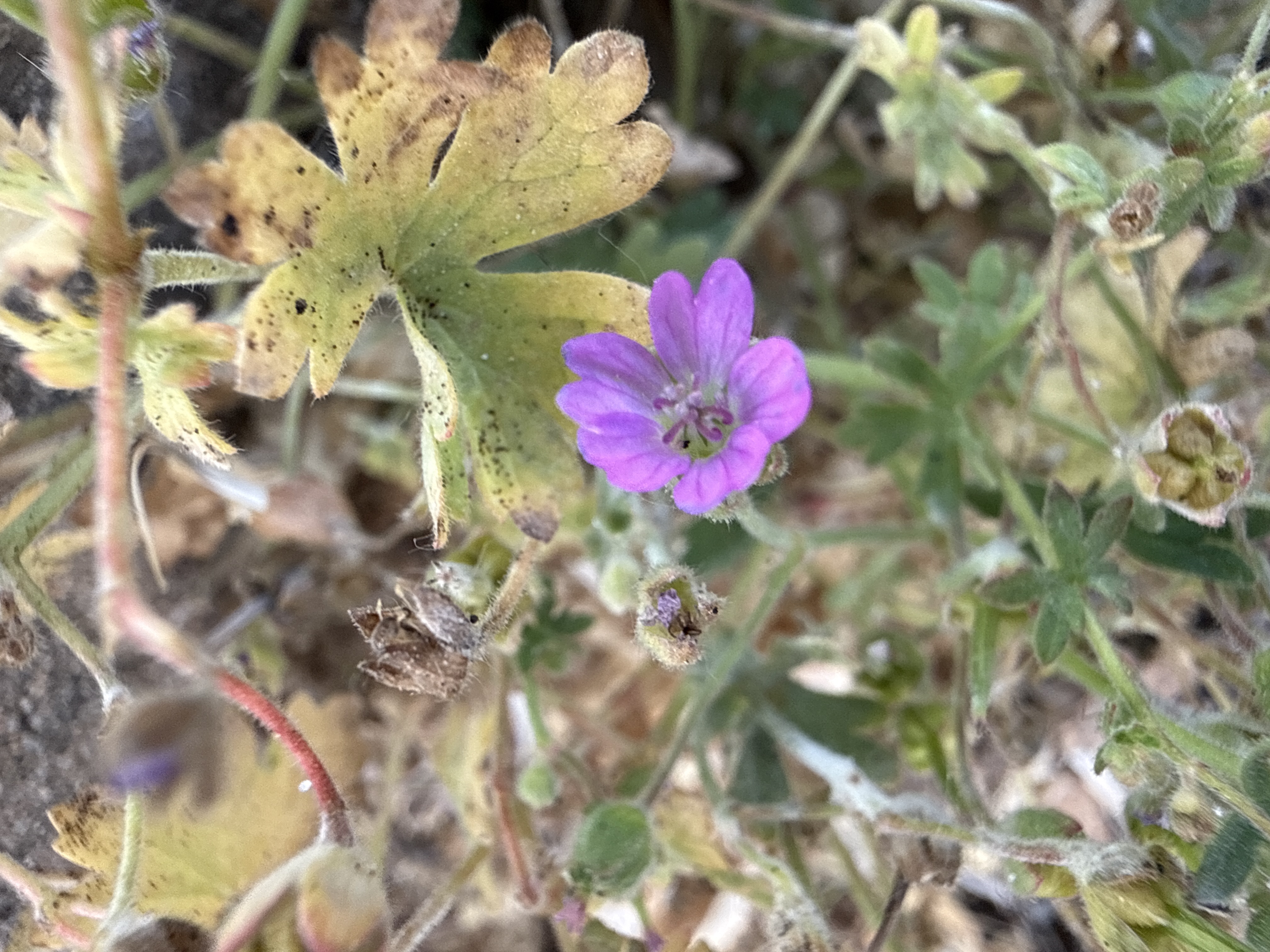
GeraniumExplore photosynthesisuploaded May 7, 2026
Cytisus scoparius · Scotch BroomExplore photosynthesisuploaded May 7, 2026
Silene tomentosa · Gibraltar CampionExplore photosynthesisuploaded May 7, 2026
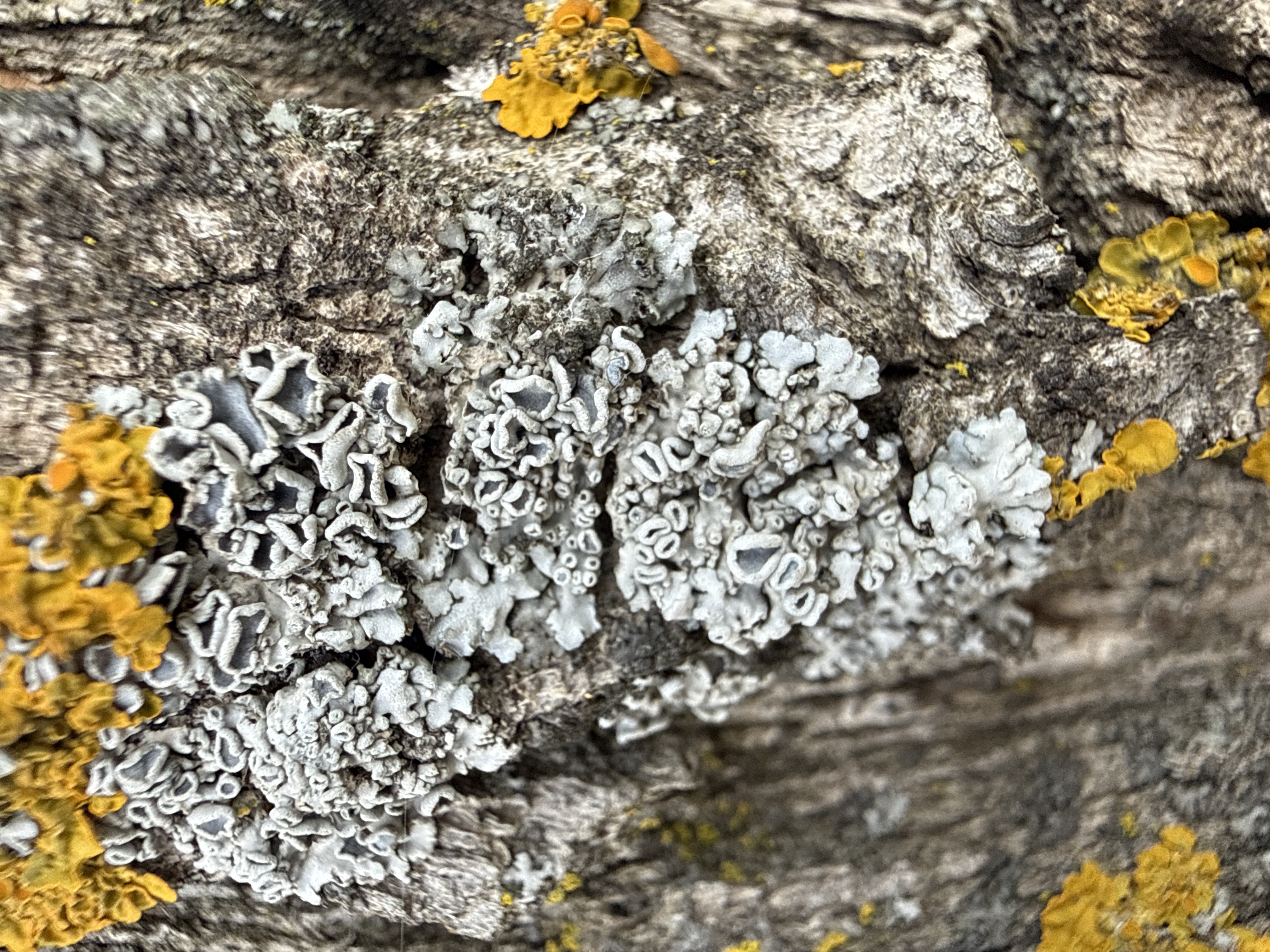
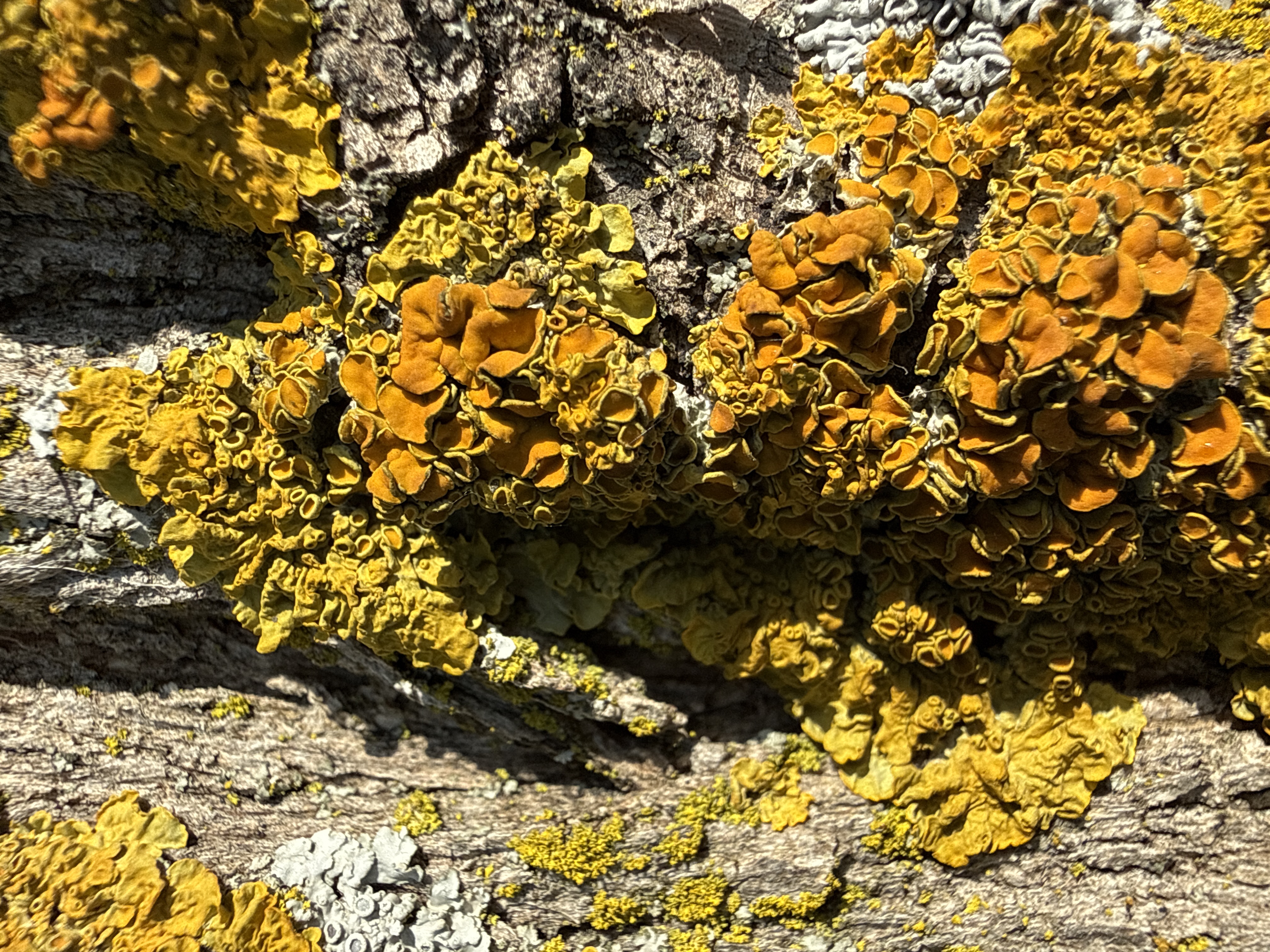
Parmelia sulcata · sulcated shield lichenuploaded May 7, 2026
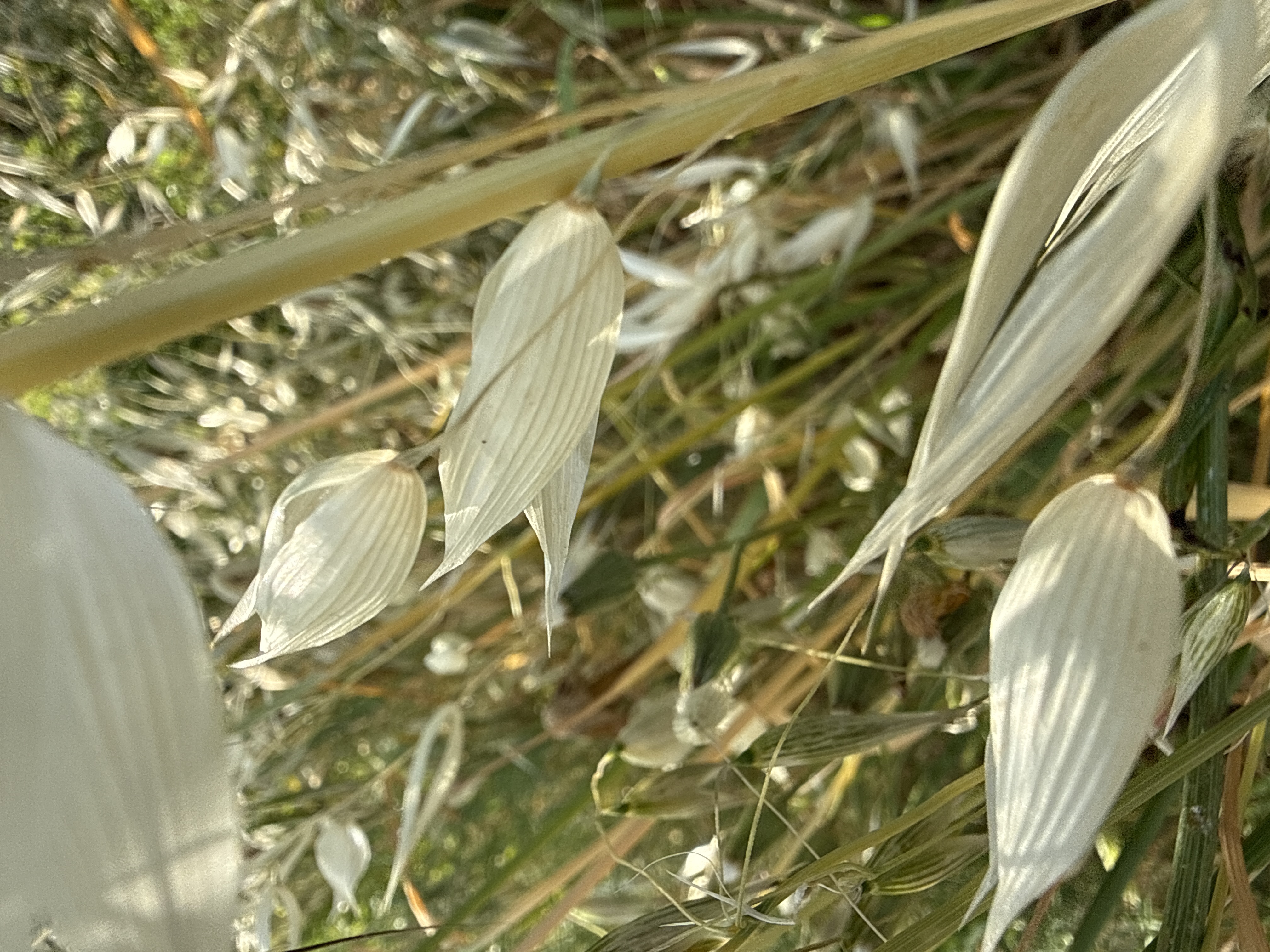
Triticum aestivum · wheatExplore photosynthesisuploaded May 7, 2026
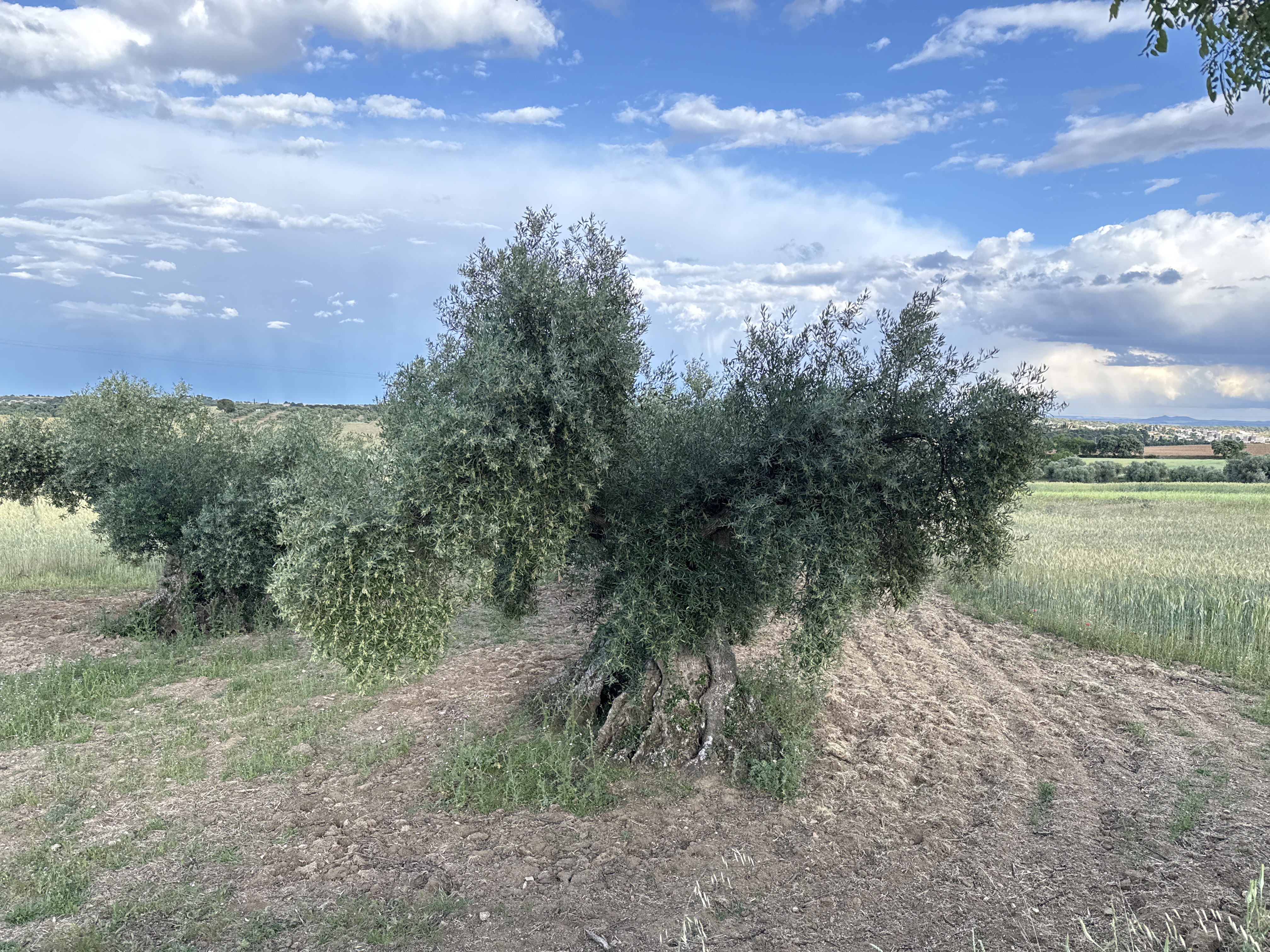
Olea europaea · olive treeExplore photosynthesisuploaded May 7, 2026
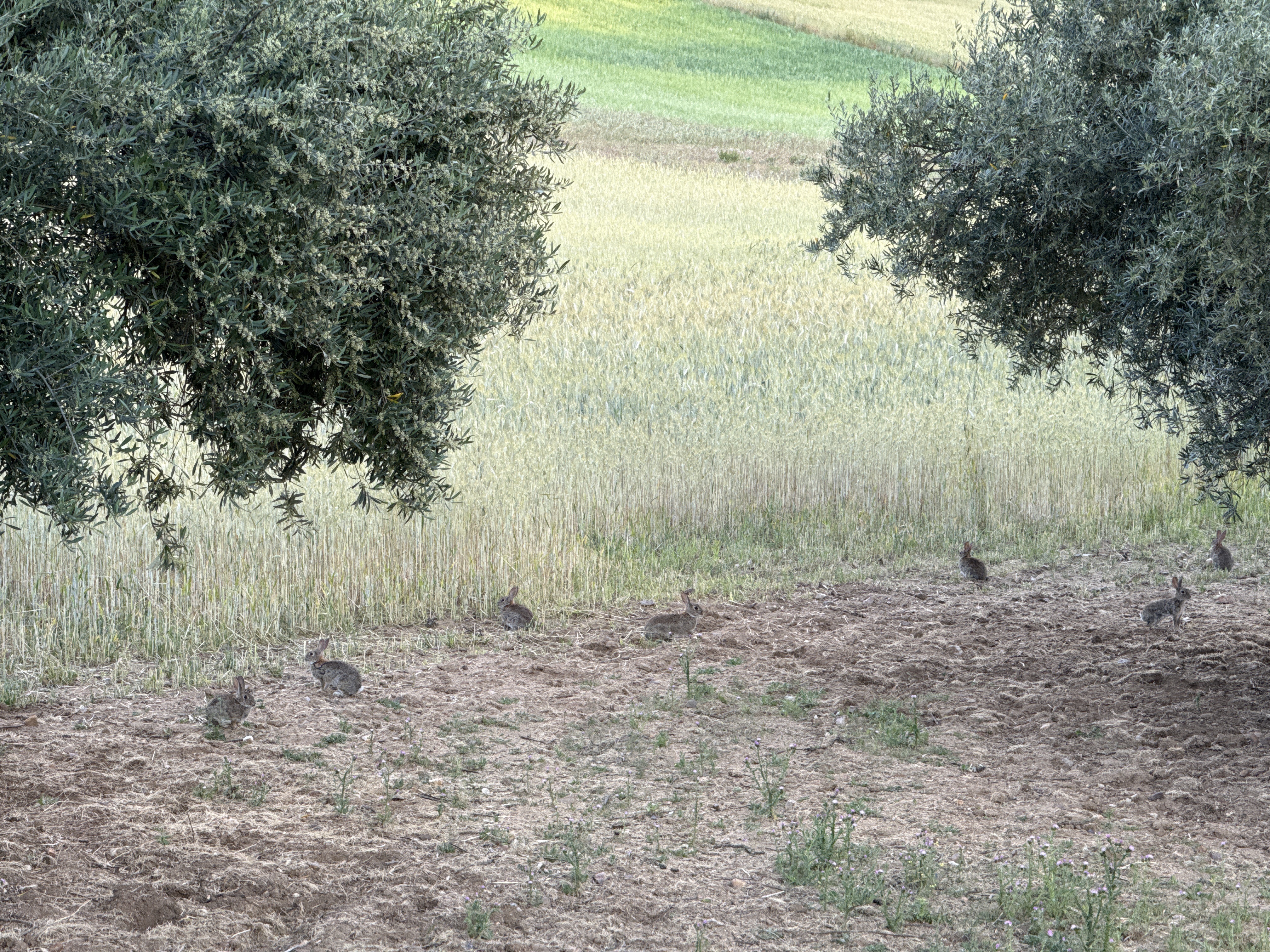
Lepus granatensis · European rabbituploaded May 7, 2026
Caloplaca citrina · Yellowish-orange lichenuploaded May 7, 2026
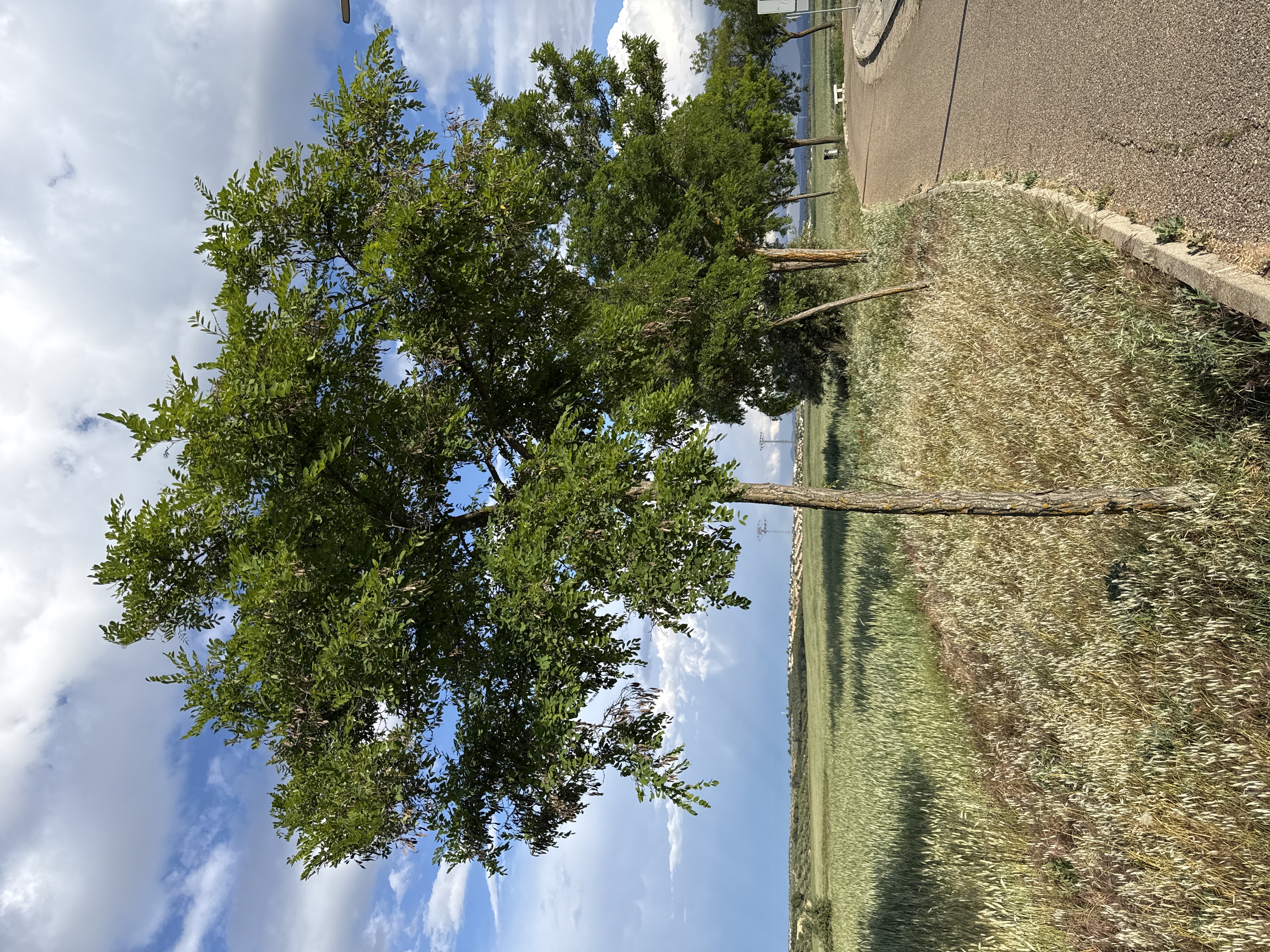
Celtis pallida · Desert hackberryExplore photosynthesisuploaded May 7, 2026
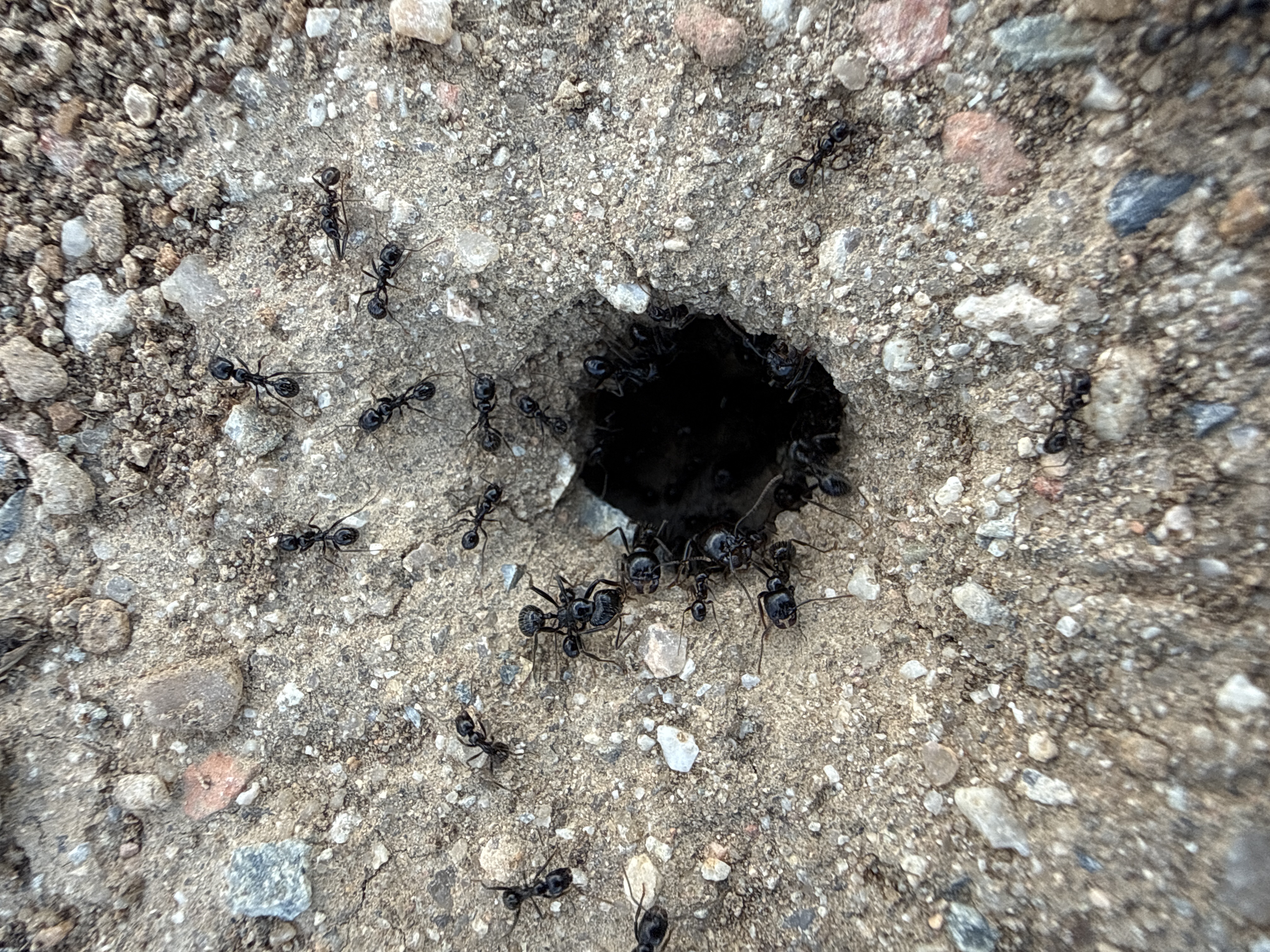
Monomorium minimum · little black antuploaded May 7, 2026
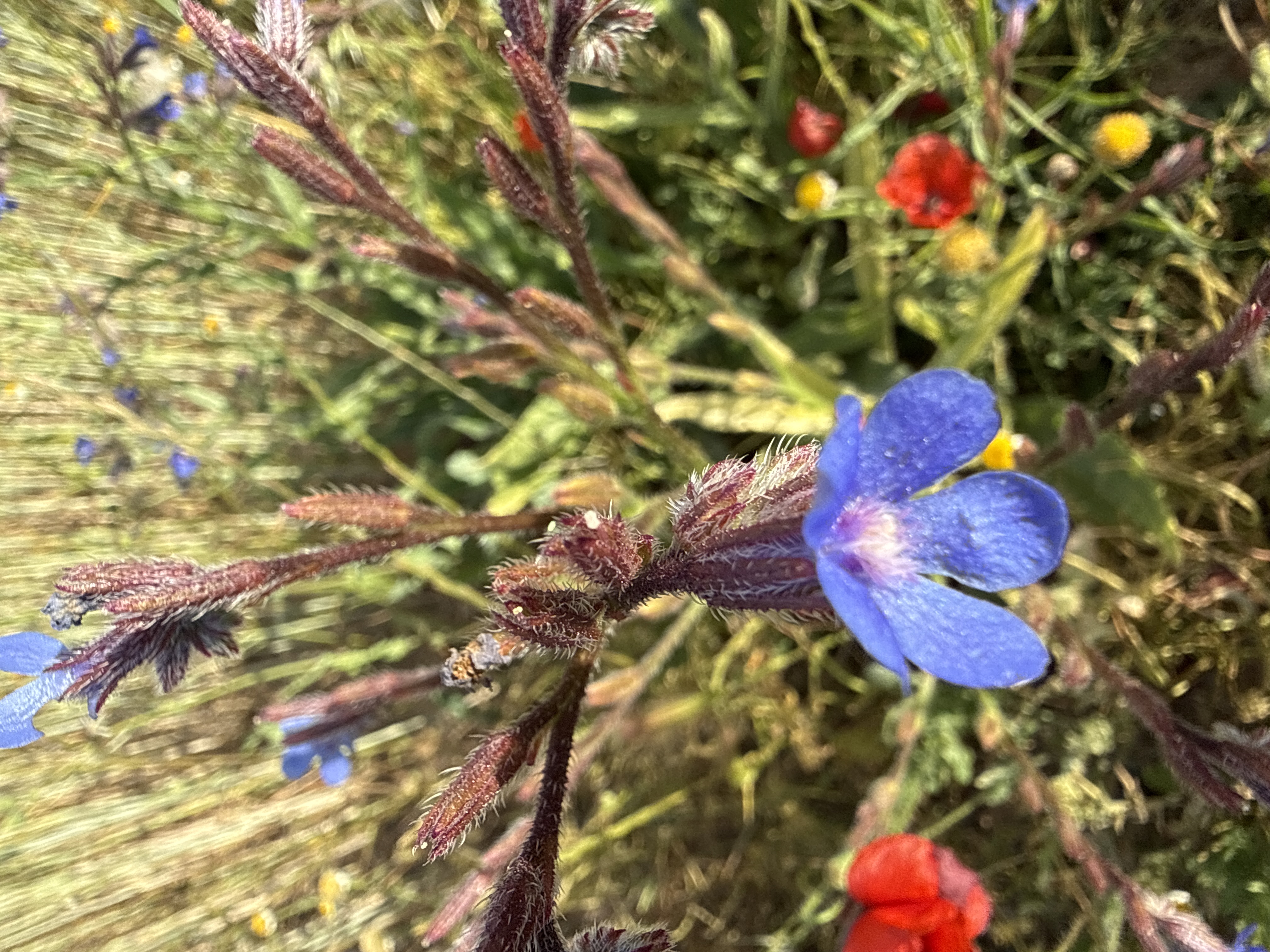
Plantaginaceae familyExplore photosynthesisuploaded May 7, 2026

Ecological interactions

No interactions yet. Identify some species, then build the graph.

Senda — speculative descendants

Speculative descendants of the species you observed, evolved against the local biome and elevation.

5/7/2026mixed:unknowncompleted
Gen 5

Urban Shield Ant

Monomorium urbanicum

descended from Monomorium minimum

As urban development intensified, Monomorium minimum adapted to exploit new food sources and habitats. They began to thrive in the warm, sheltered environments of buildings and rooftops, developing a reflective exoskeleton to cope with intense sunlight and a modified defense mechanism to deter larger urban predators. Over generations, they evolved to communicate more effectively, using chemical signals to recruit to food sources.

reflector-like sheen on exoskeleton to reflect sunlightchemical signals for recruitment to food sources
Gen 8

Rust-resistant Wheatgrass

Elymus urbanorusticus

descended from Elymus

In response to the urban environment's altered hydrology and increased pollution, Elymus evolved into a more resilient form. The Rust-resistant Wheatgrass developed deeper roots to access water deep in the soil and a waxy coating on its leaves to prevent water loss. This allowed it to thrive in areas where other plants struggled to survive, such as abandoned lots and along roadsides.

increased root depth to access waterwaxy coating on leaves to prevent water loss
Gen 10

Fire-resistant Hackberry

Celtis ignisresistens

descended from Celtis pallida

As urban development increased the frequency and intensity of fires, Celtis pallida adapted to become more resilient. The Fire-resistant Hackberry evolved thick bark to protect itself from fires and developed the ability to resprout quickly, allowing it to dominate in areas where fires were more common, such as parks and traffic islands.

thick barkrapid resprouting ability
Gen 3

Drainage Channel Slime Mold

Fuligo urbanica

descended from Fuligo septica

In response to the changed urban hydrology, Fuligo septica evolved to thrive in the wet, nutrient-rich environments of drainage channels and storm drains. The Drainage Channel Slime Mold developed the ability to form protective cysts and to feed on the abundant bacteria, fungi, and organic matter present in urban runoff, allowing it to dominate in these areas.

ability to thrive in nutrient-rich urban runoffprotective cysts

Synthetic landscape

Generate a naturalistic illustration of this place built from the species you identified.

Optional: pick a photo to use as a template. Composition (depth) preserves layout; Style (reference) preserves the look of the place.