← All excursions

Bargas casa - farmacia - mercadona 2

Mixed

Started May 6, 2026, 5:19 PM

Notes

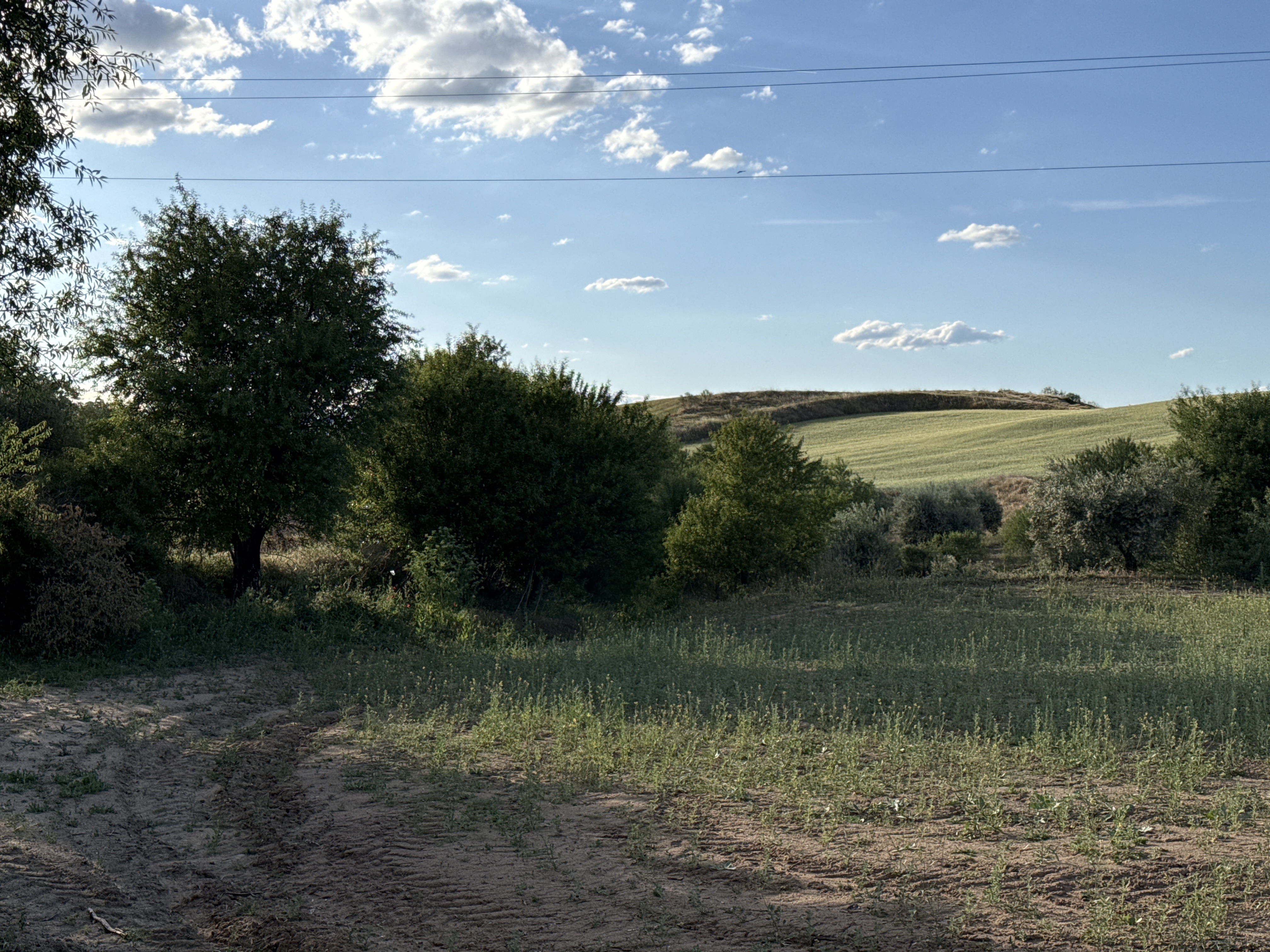
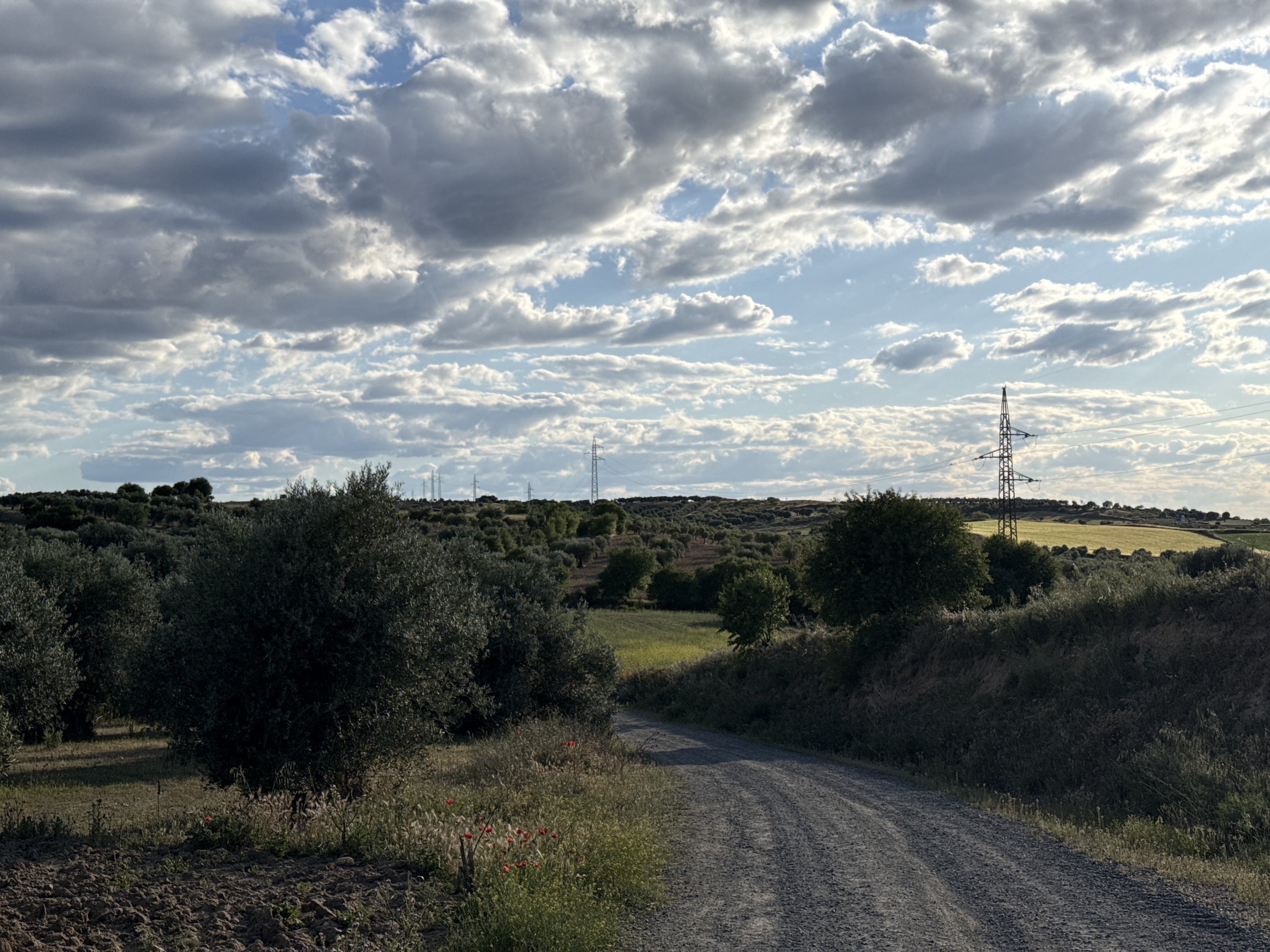
Mixed excursion in a sunny day

Photos & observations
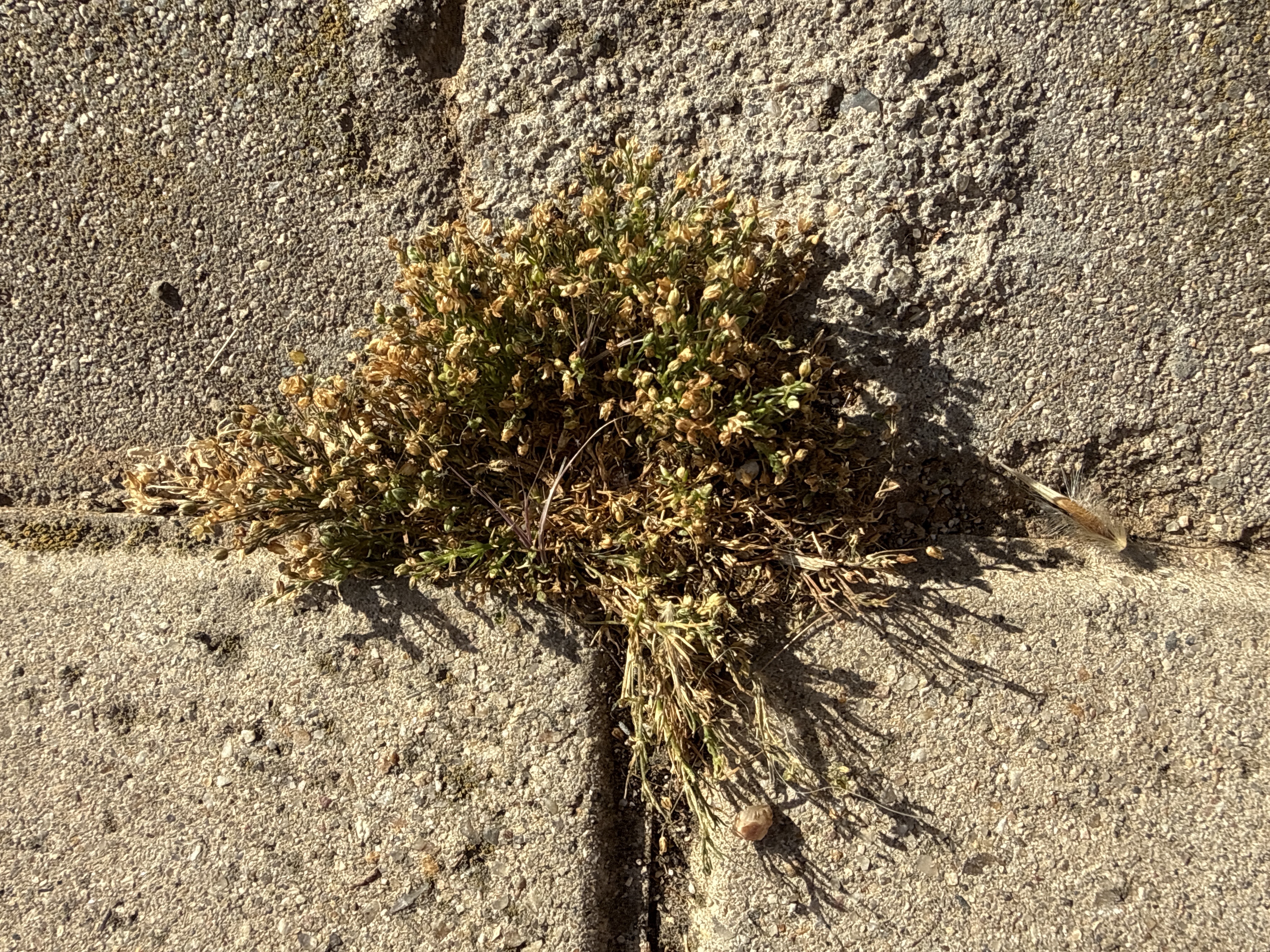
not yet identifiedMay 4, 2026, 4:49 PM
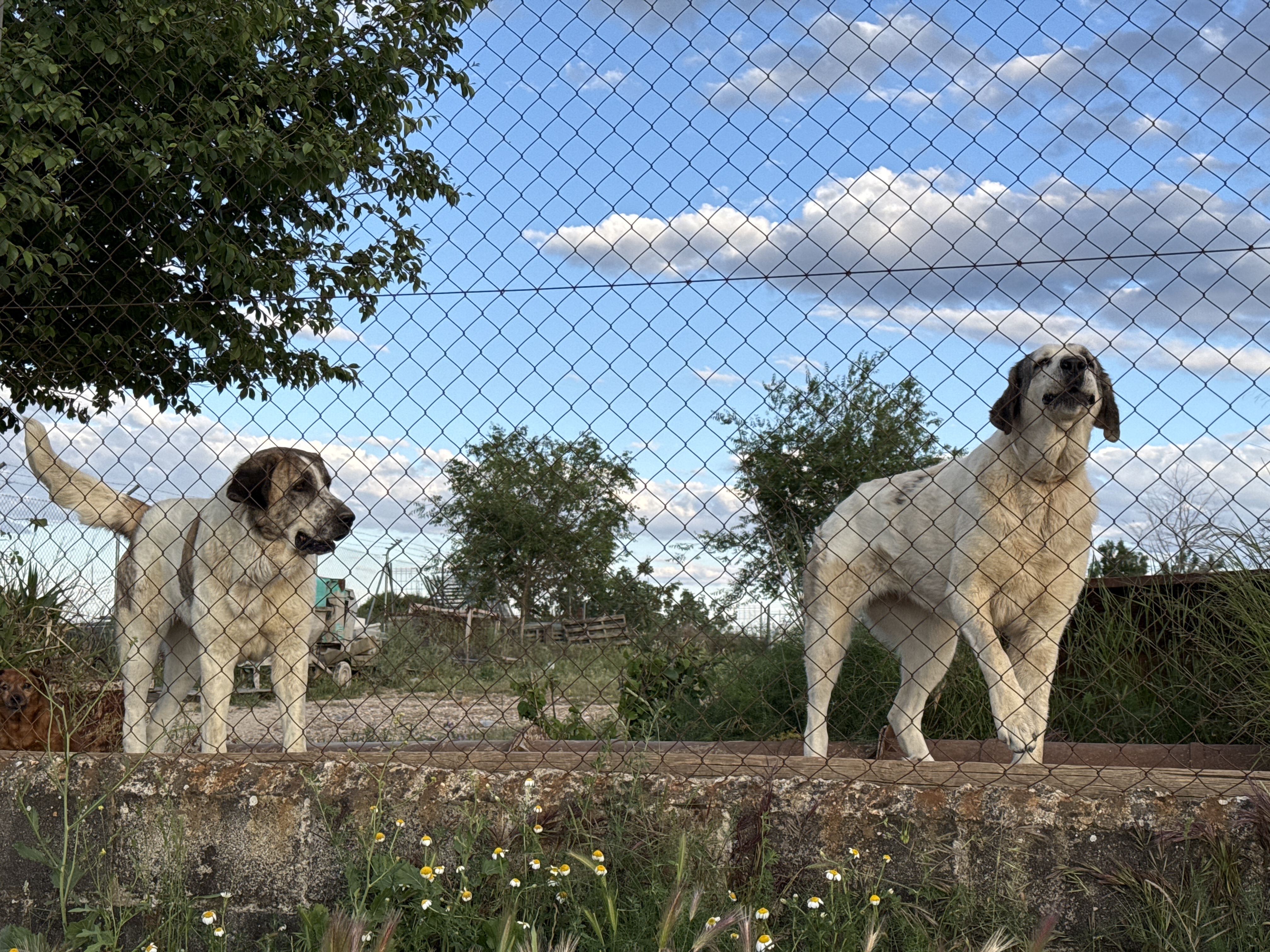
Canis lupus familiaris · doguploaded May 6, 2026
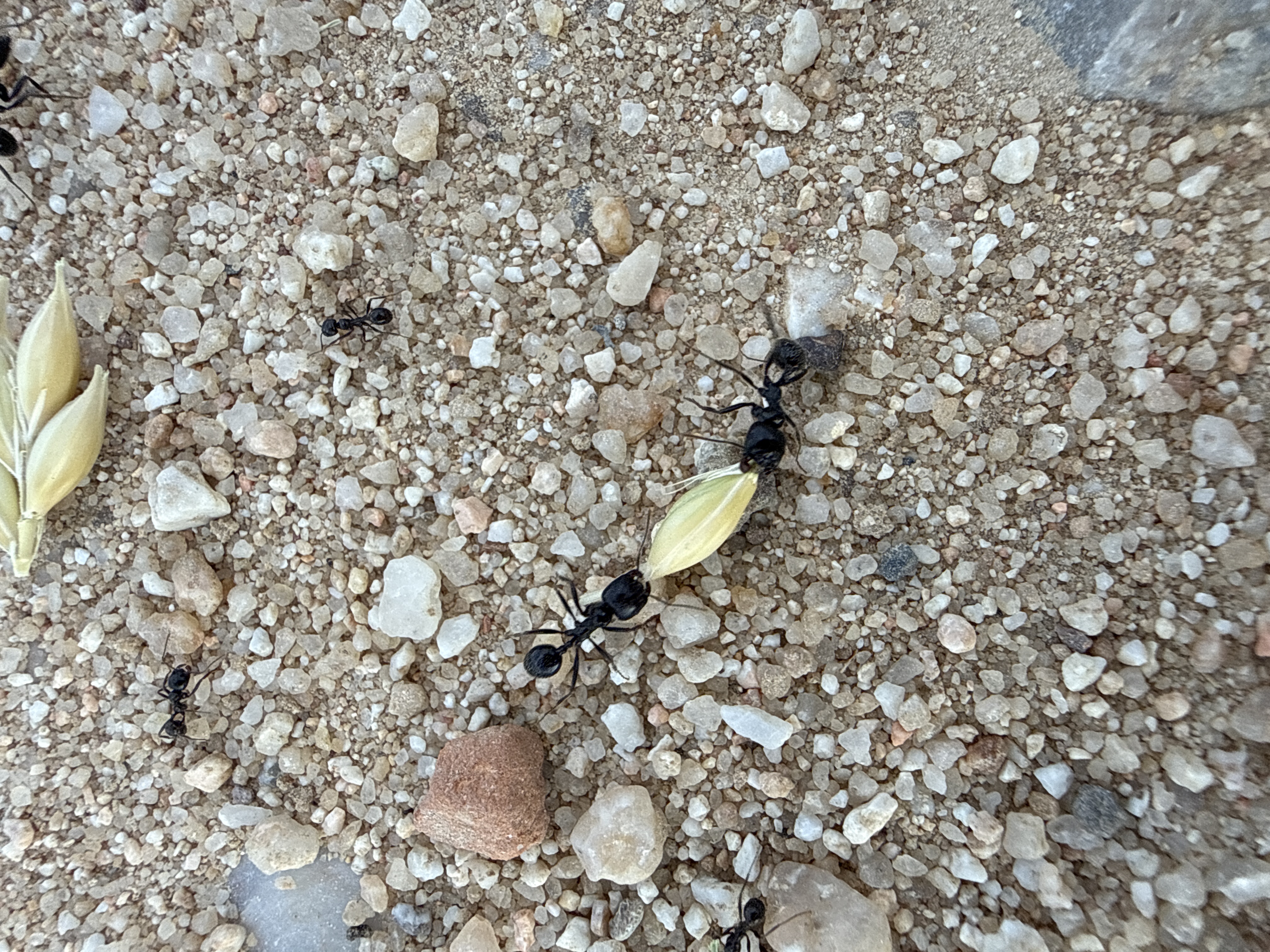
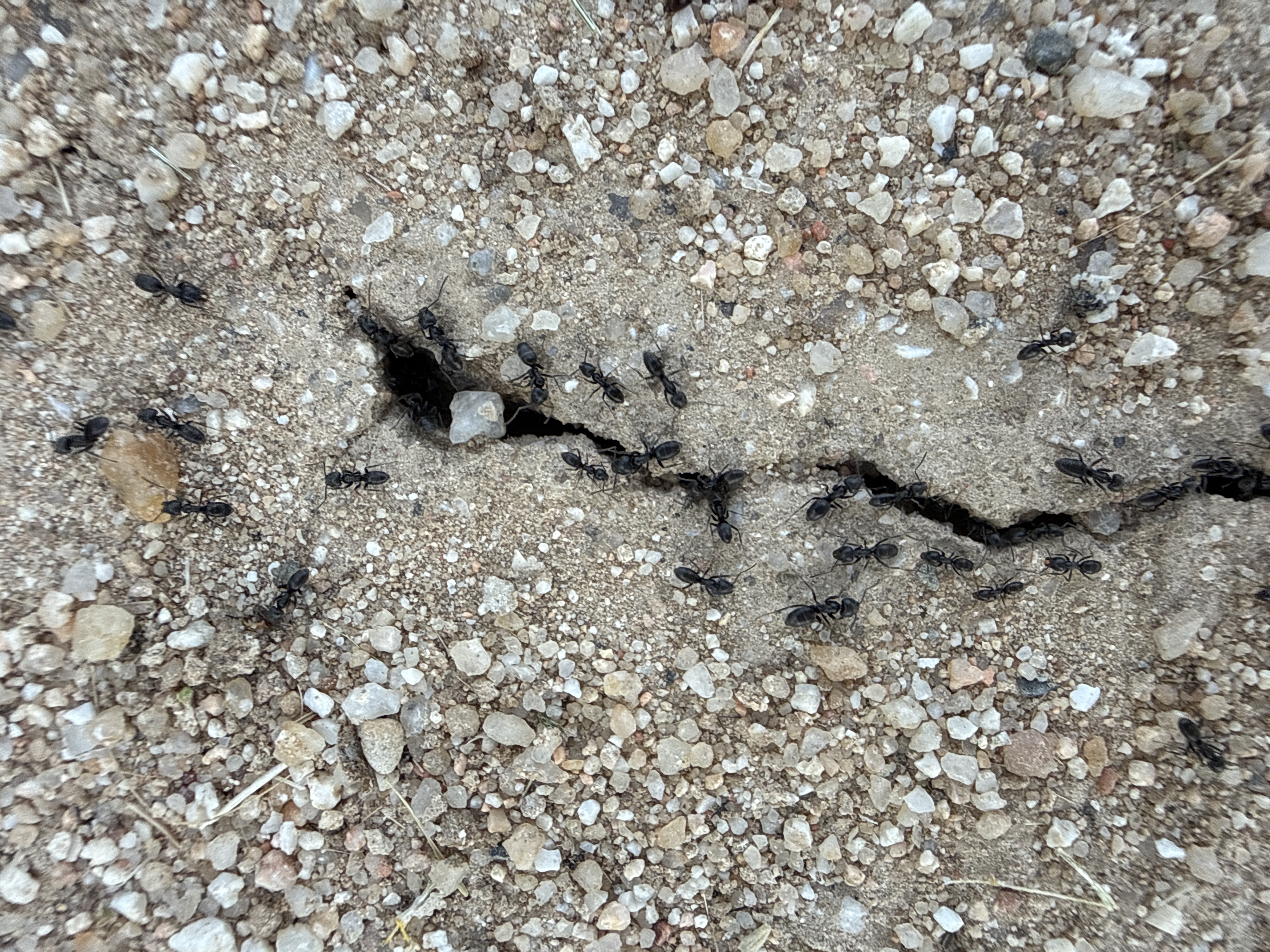
Formica fusca · dark-footed antuploaded May 6, 2026
Encelia californica · California GoldfieldsExplore photosynthesisuploaded May 6, 2026
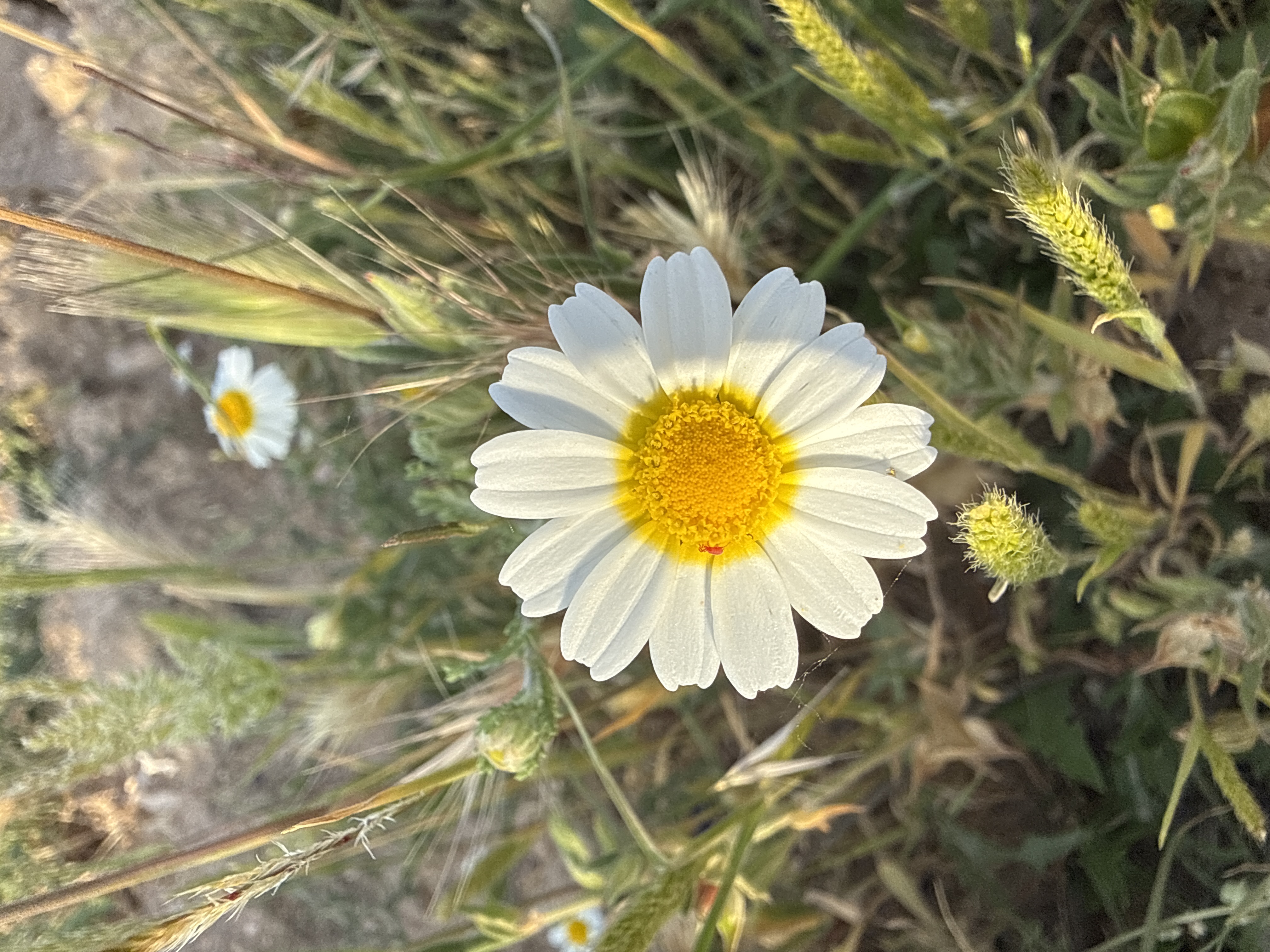
Stellaria media · Common DaisyExplore photosynthesisuploaded May 6, 2026
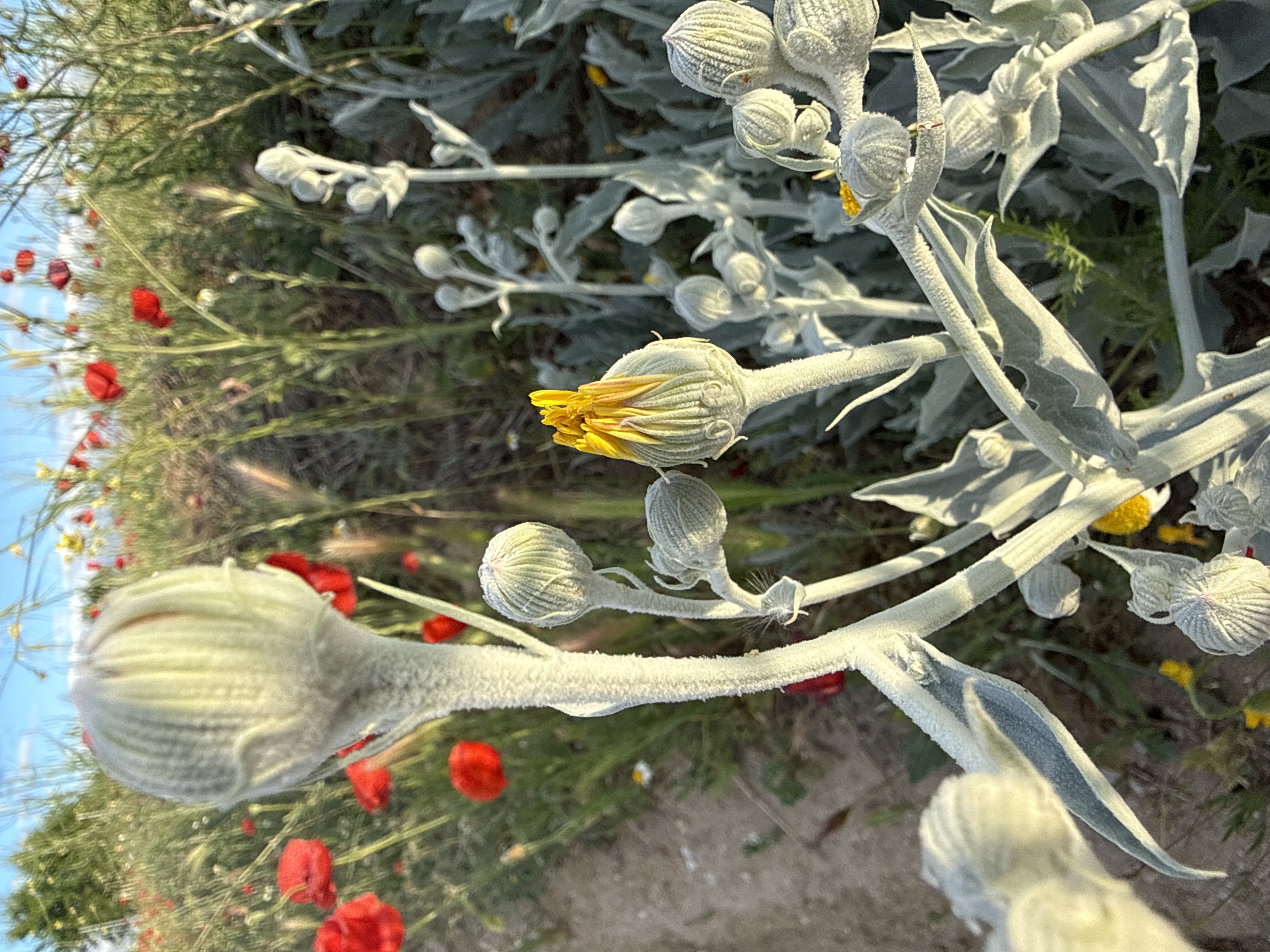
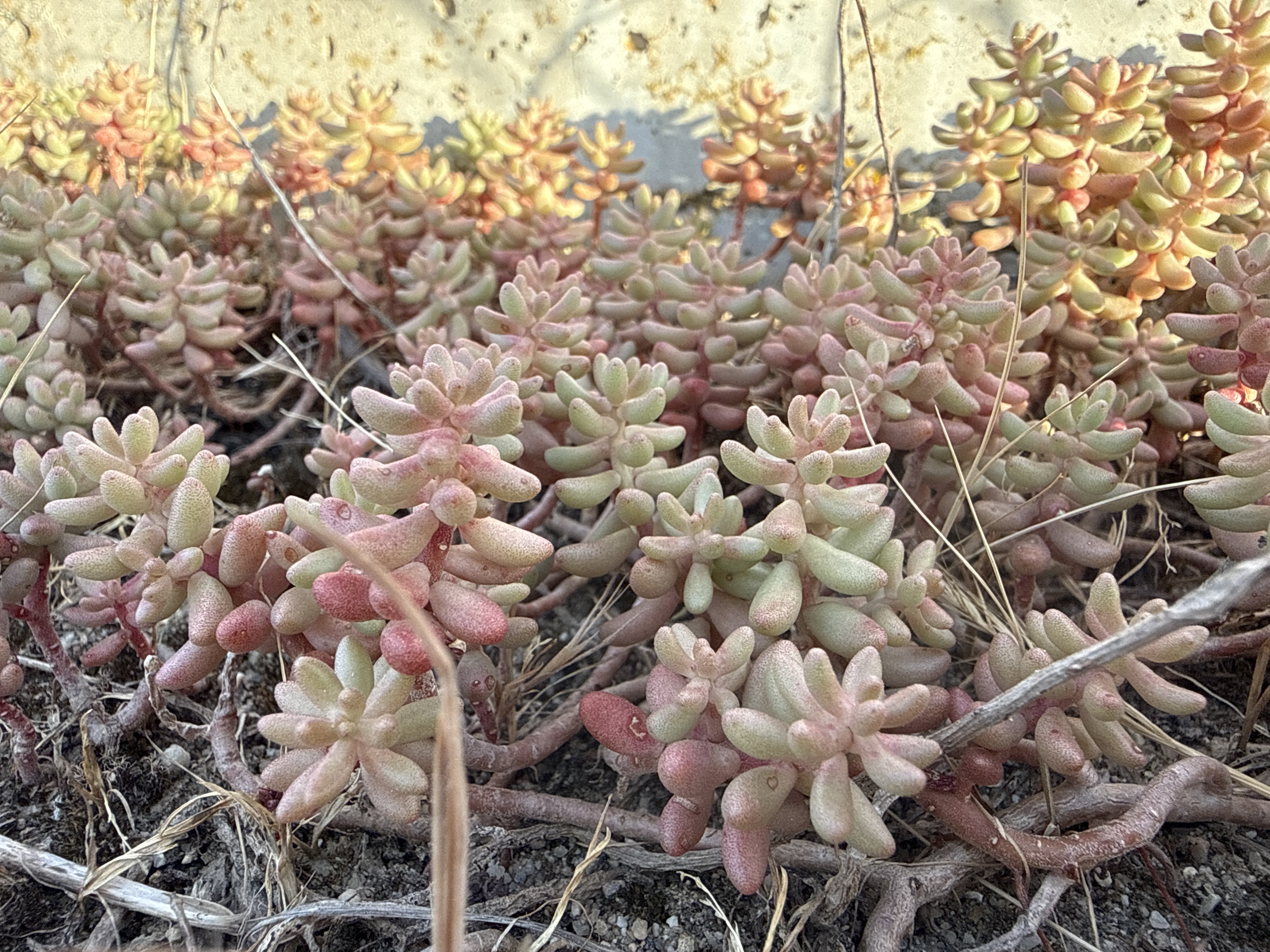
CrassulaceaeExplore photosynthesisuploaded May 6, 2026
Monomorium minimum · little black antuploaded May 6, 2026
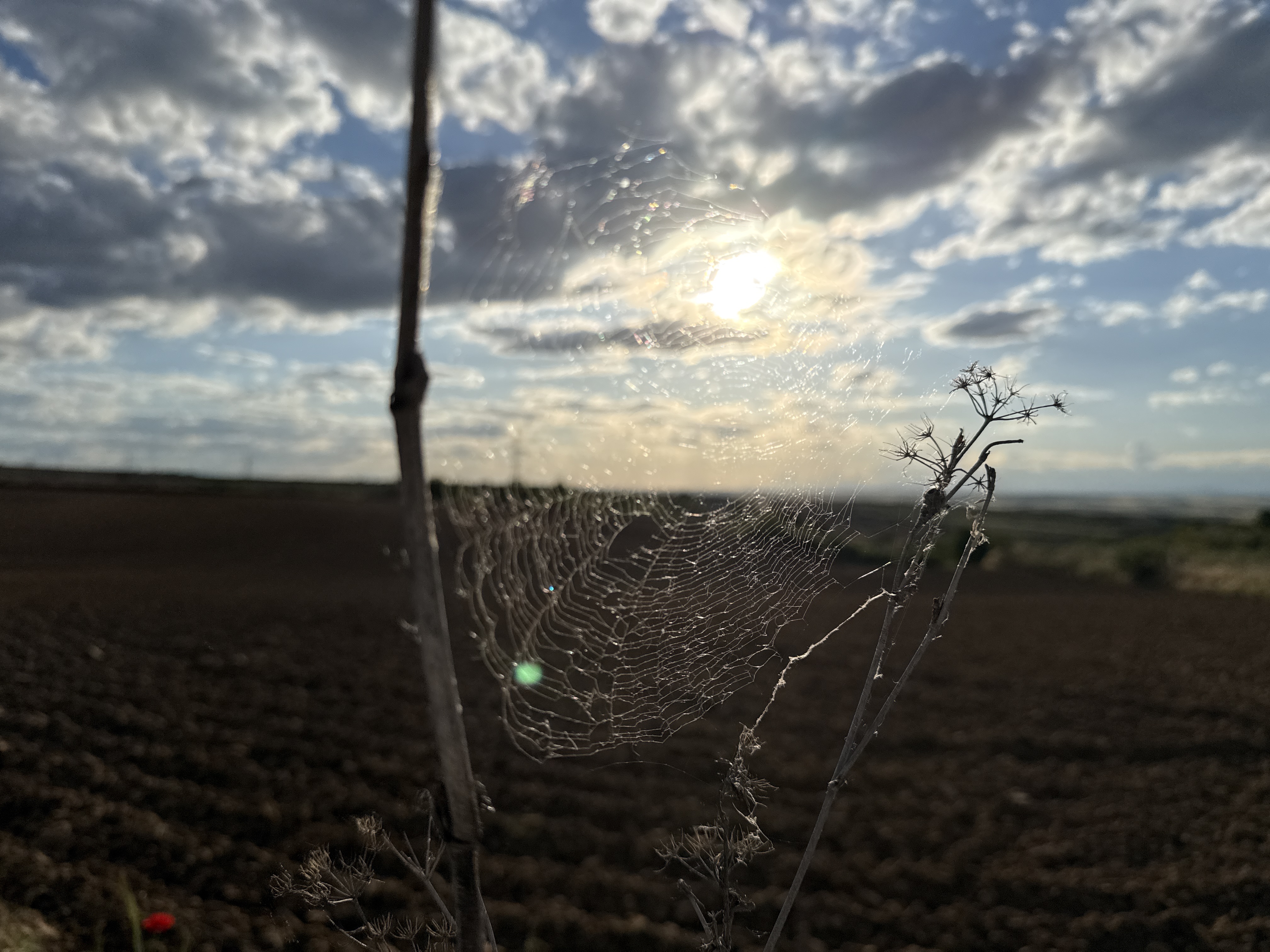
Araneaeuploaded May 6, 2026
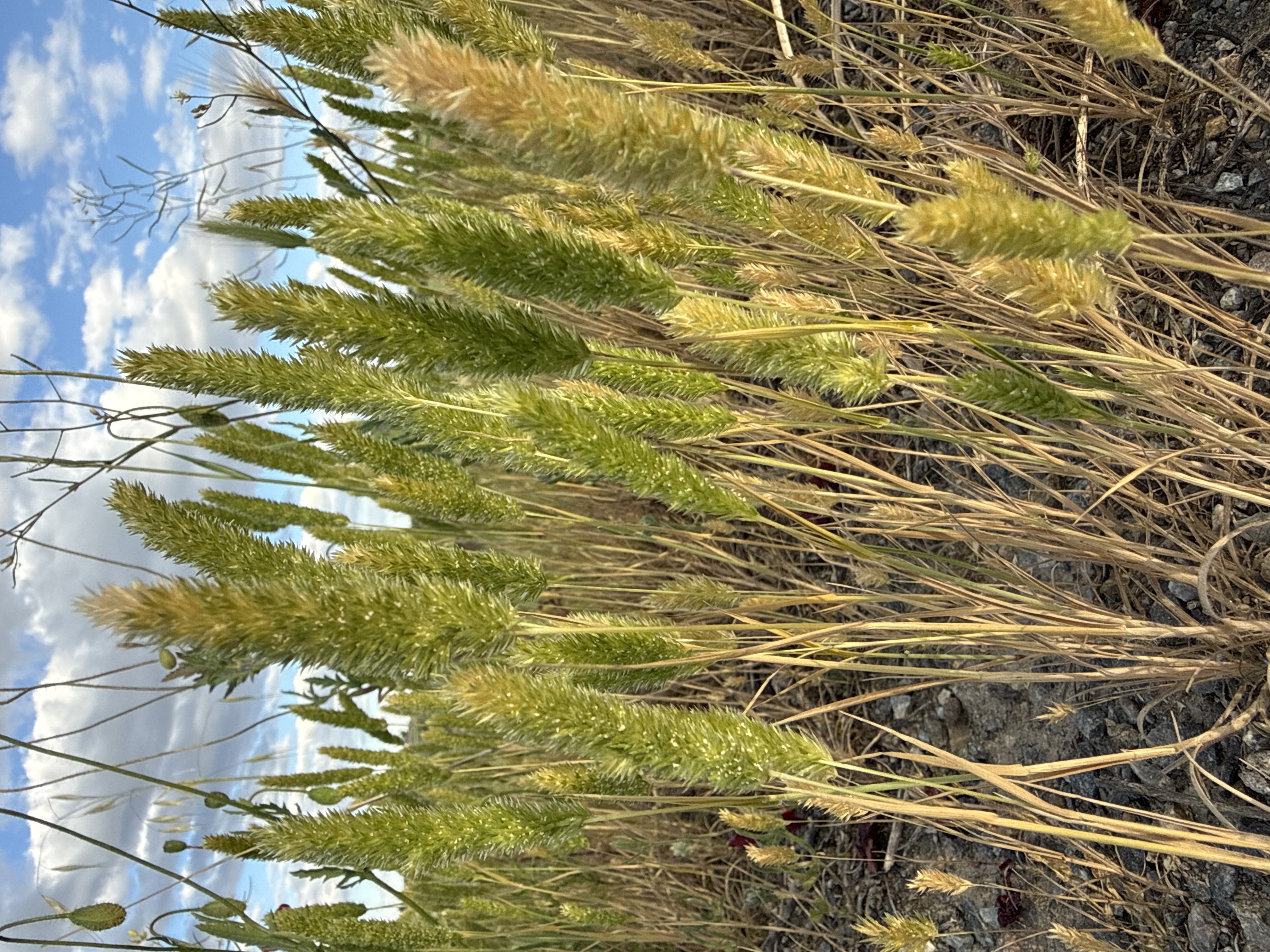
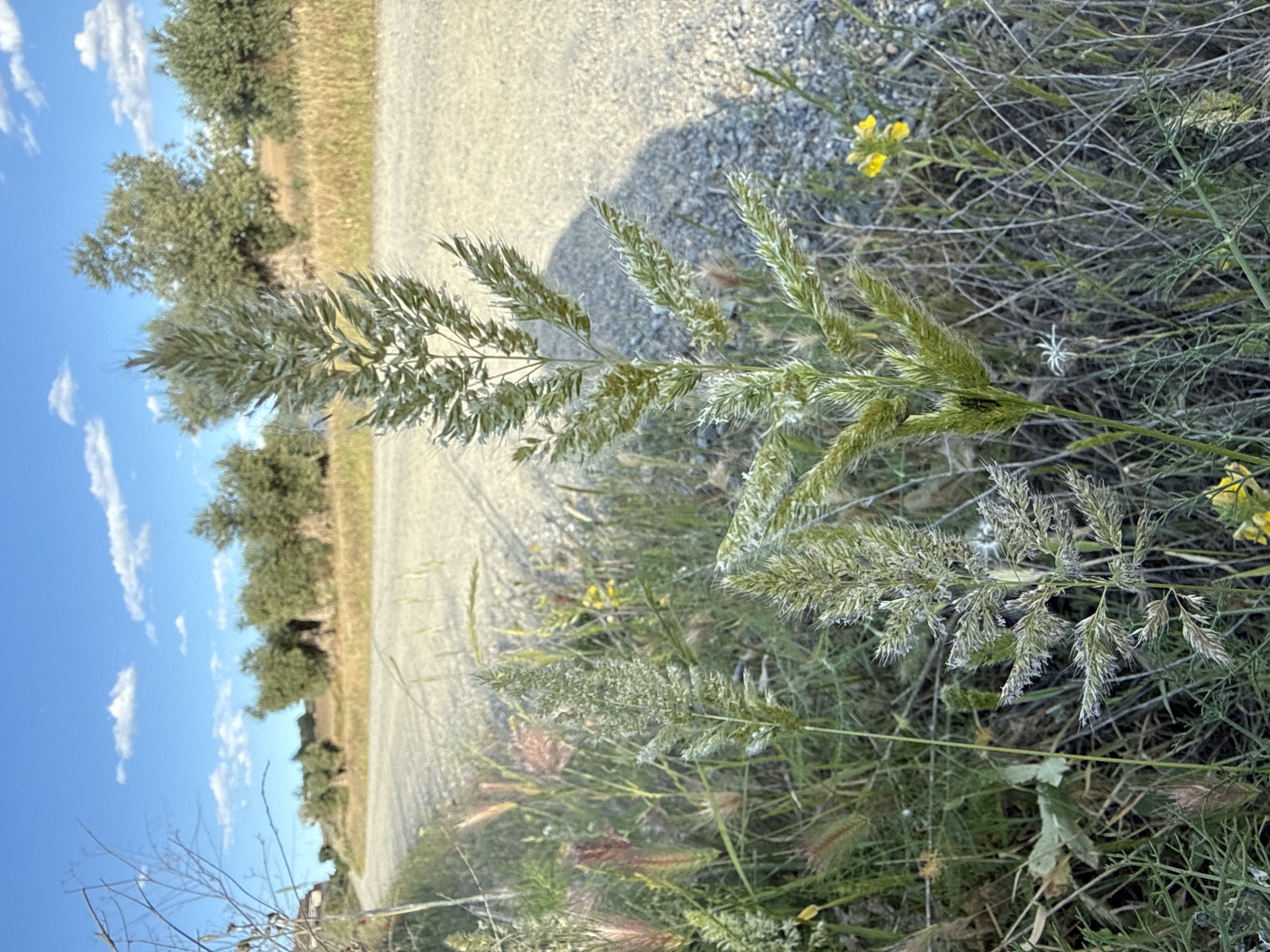
Elymus glaucus · Blue WildryeExplore photosynthesisuploaded May 6, 2026
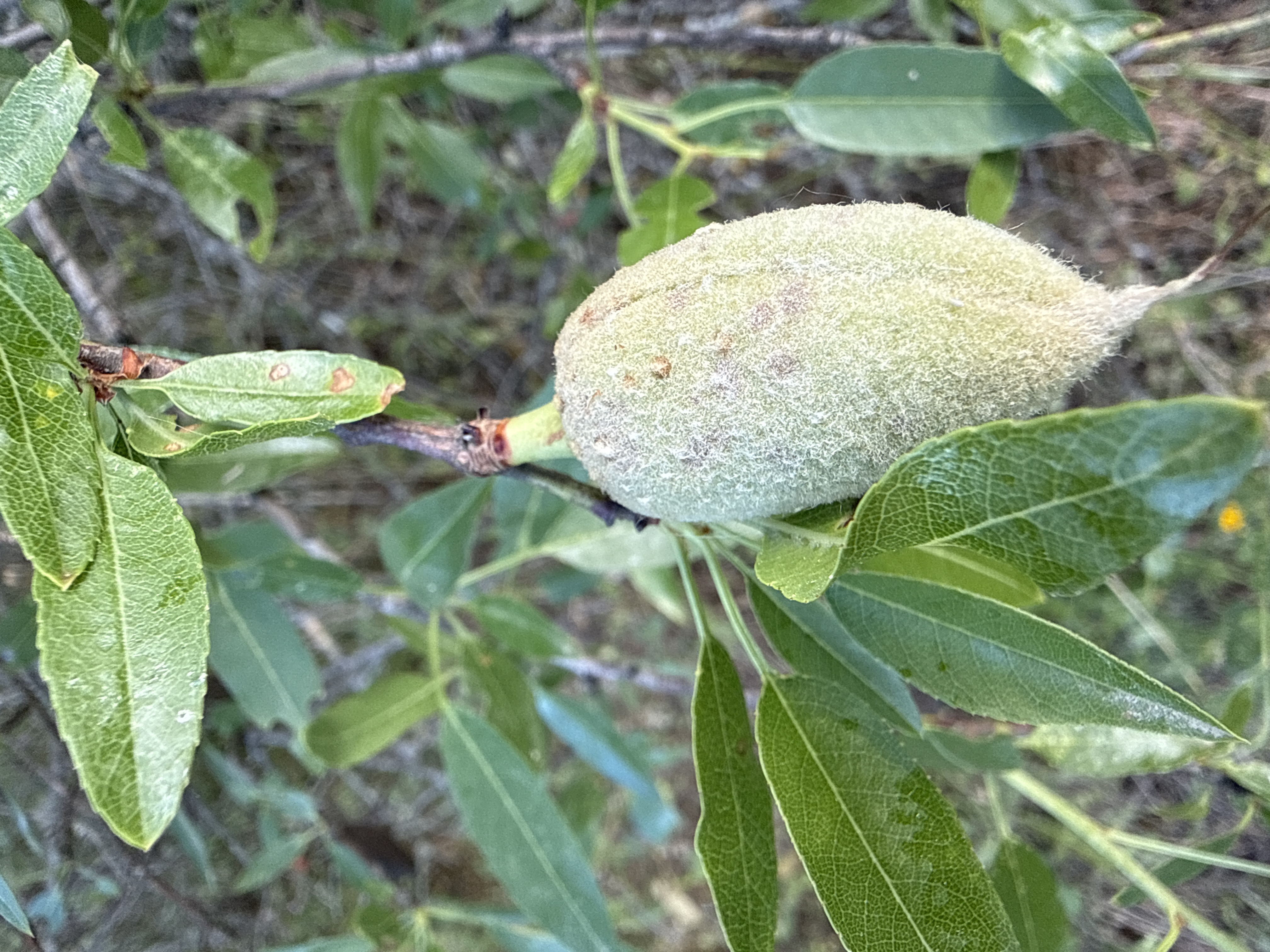
Juglans regia · WalnutExplore photosynthesisuploaded May 6, 2026
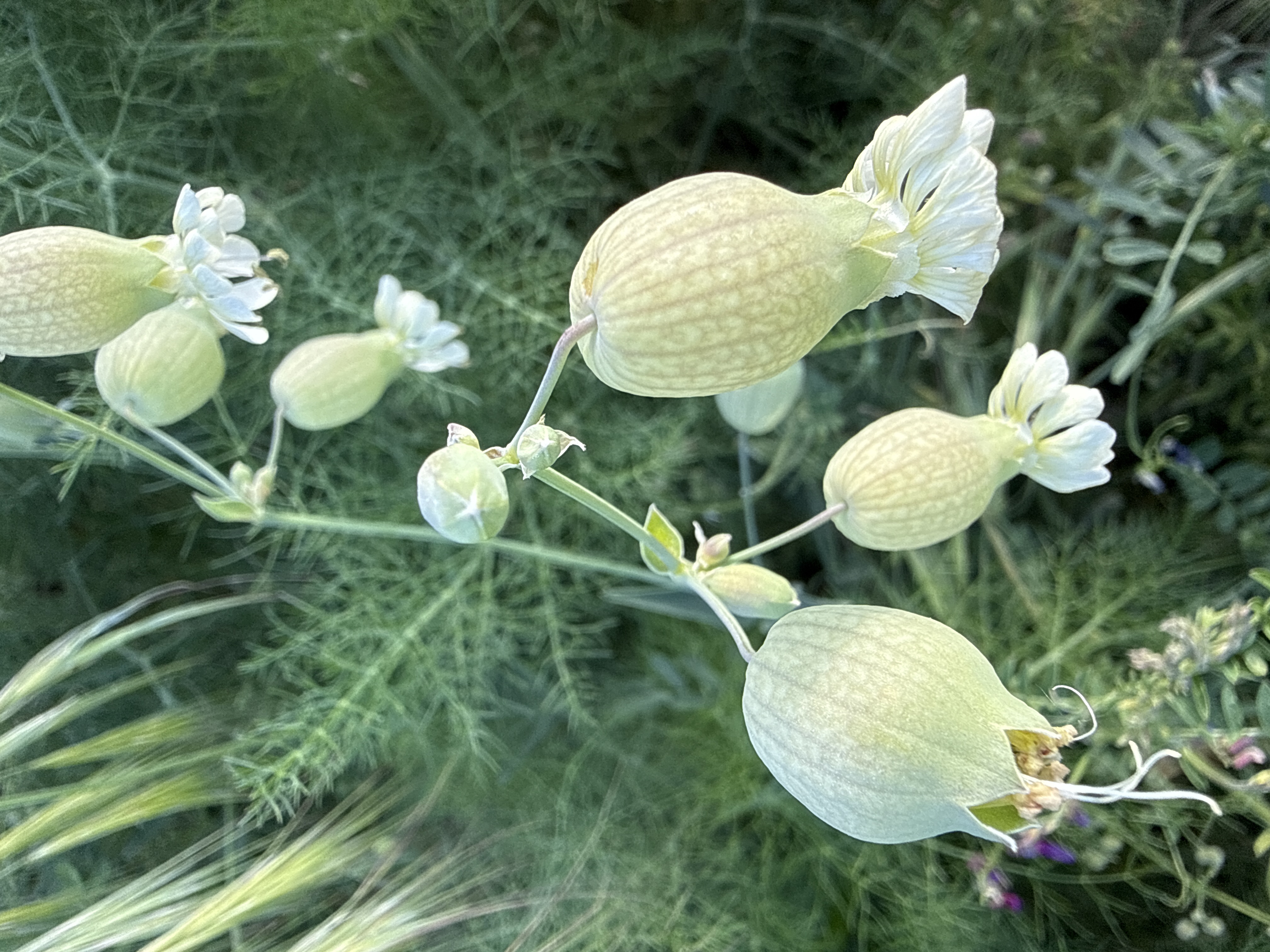
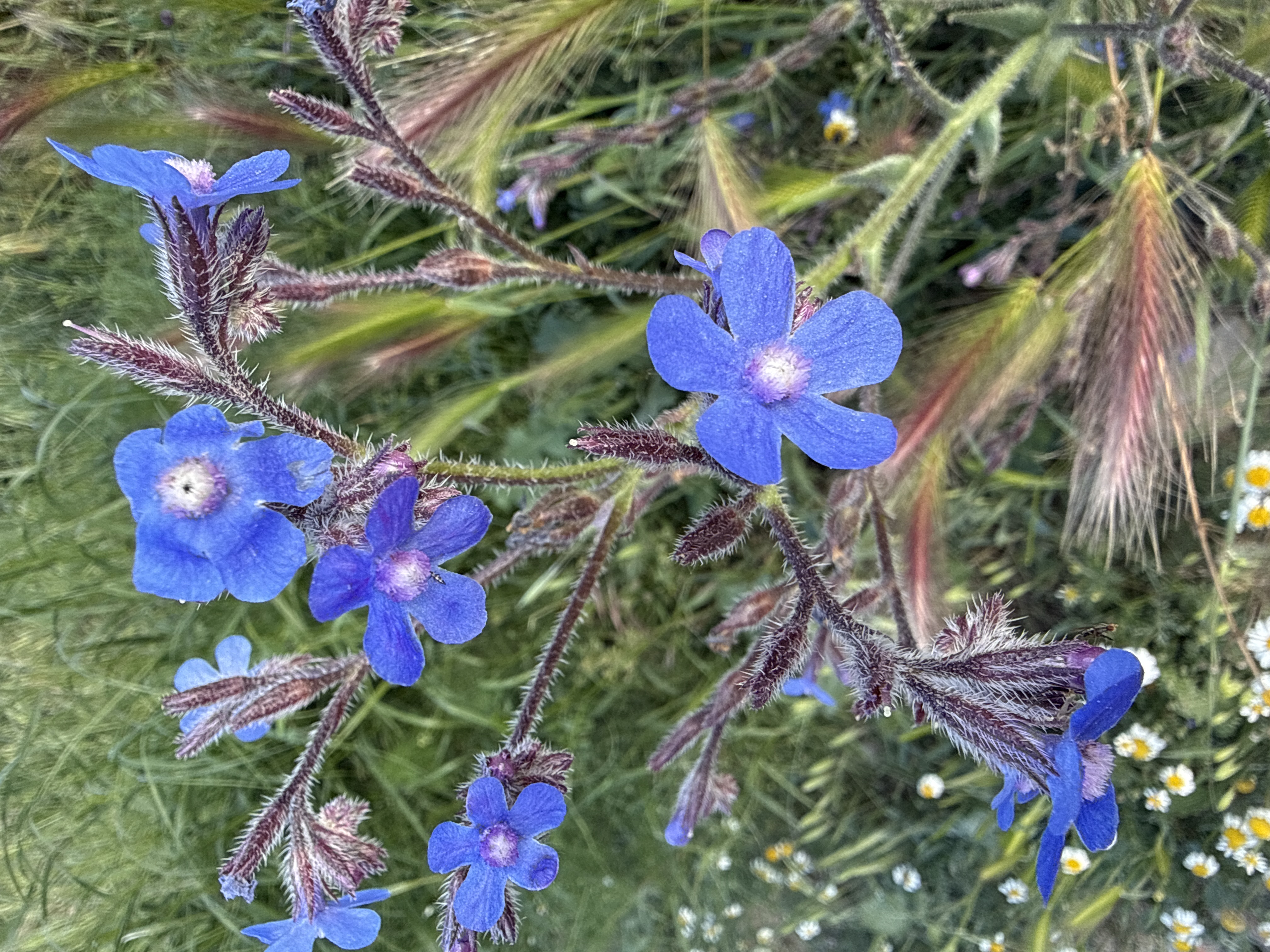
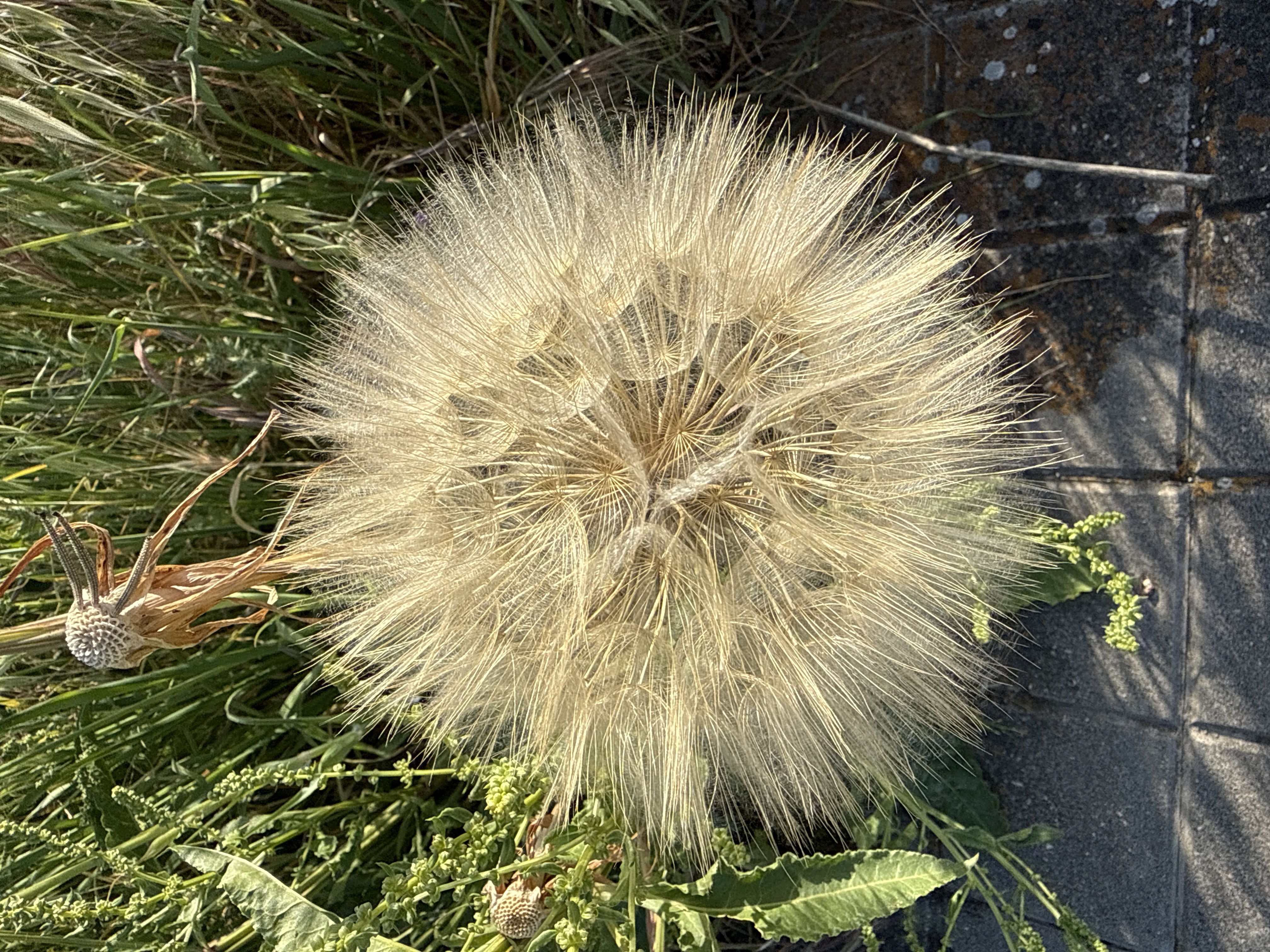
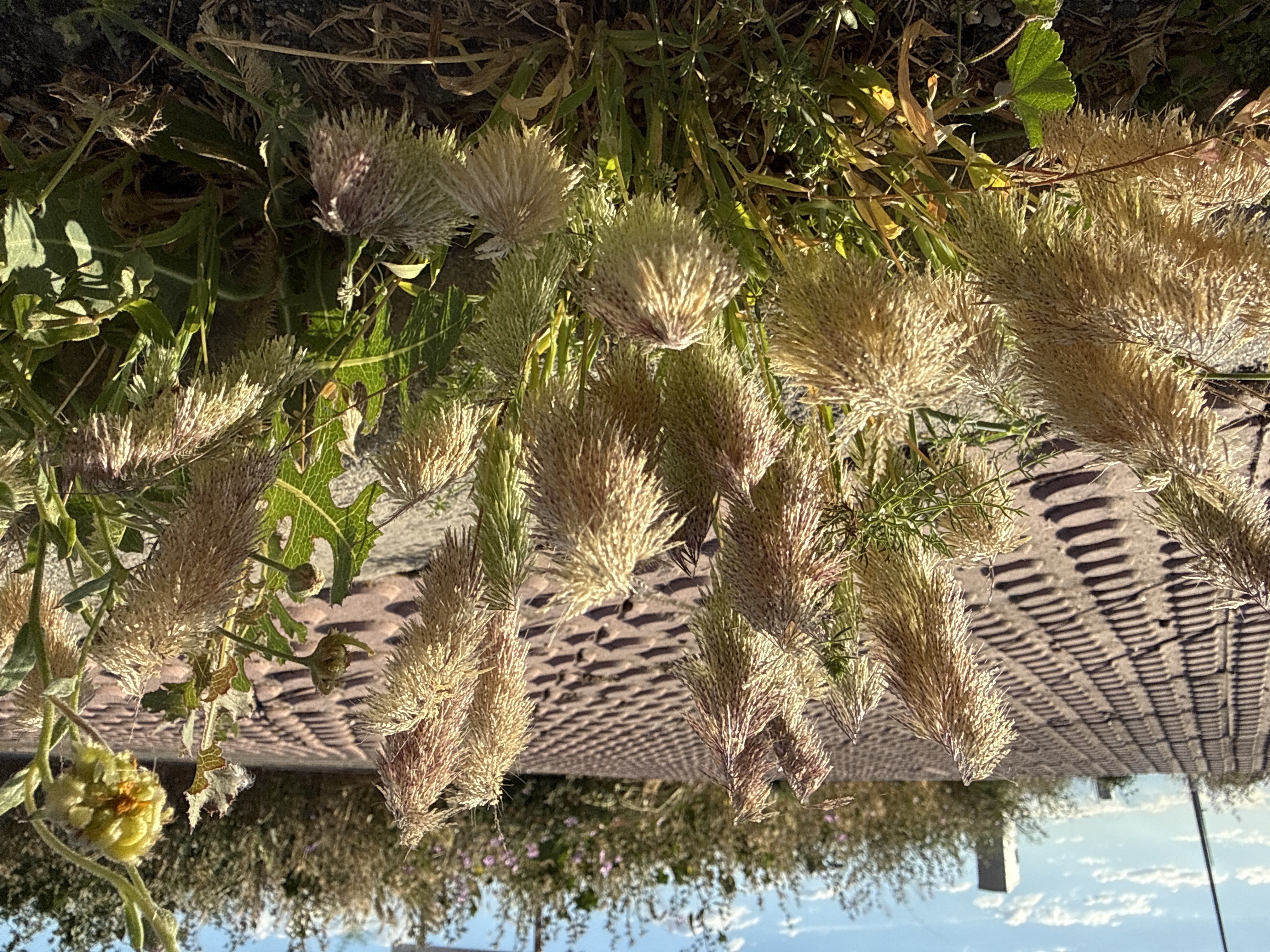
not yet identifieduploaded May 6, 2026
Centaurea solstitialis · Yellow StarthistleExplore photosynthesisuploaded May 6, 2026
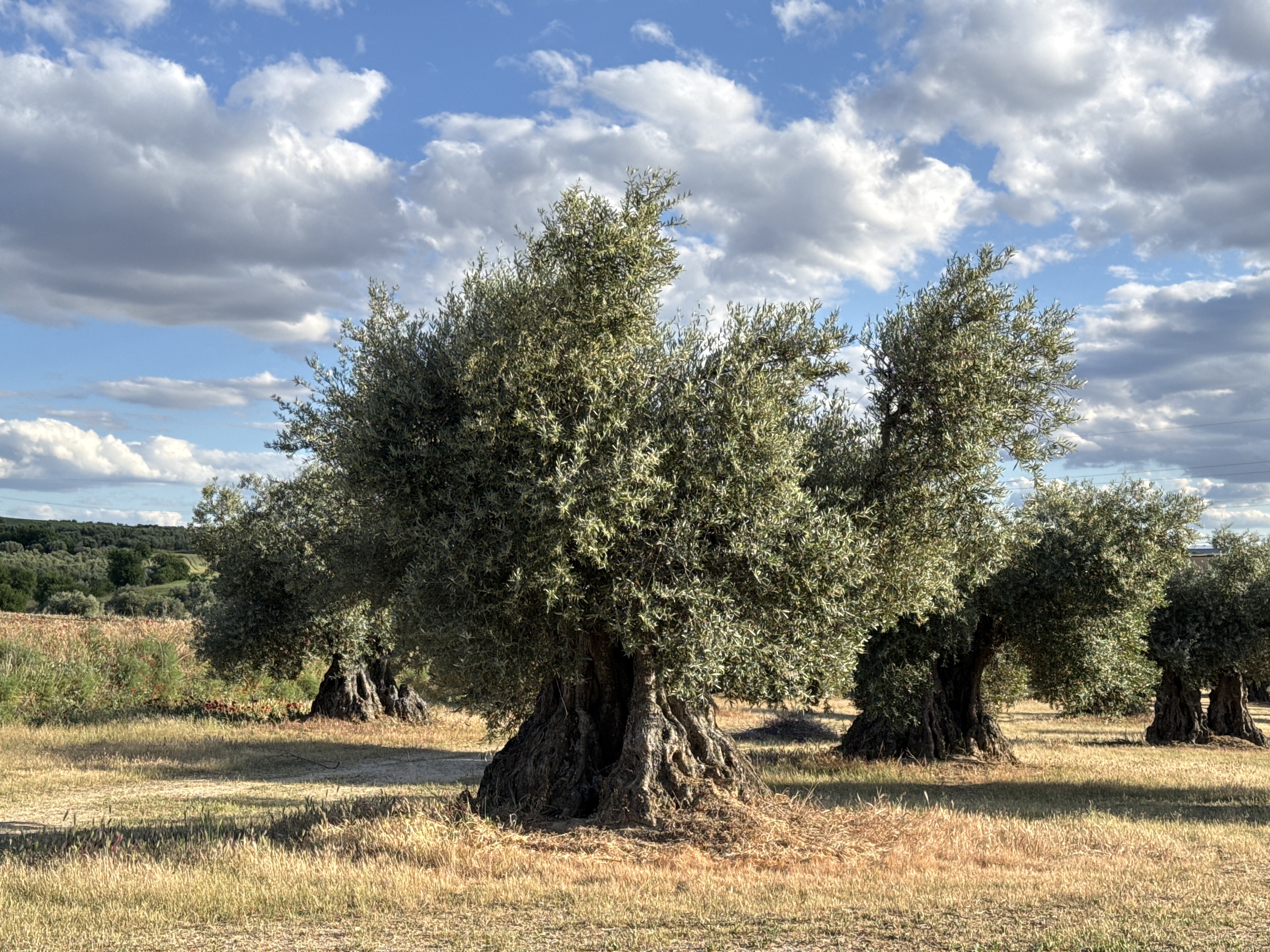
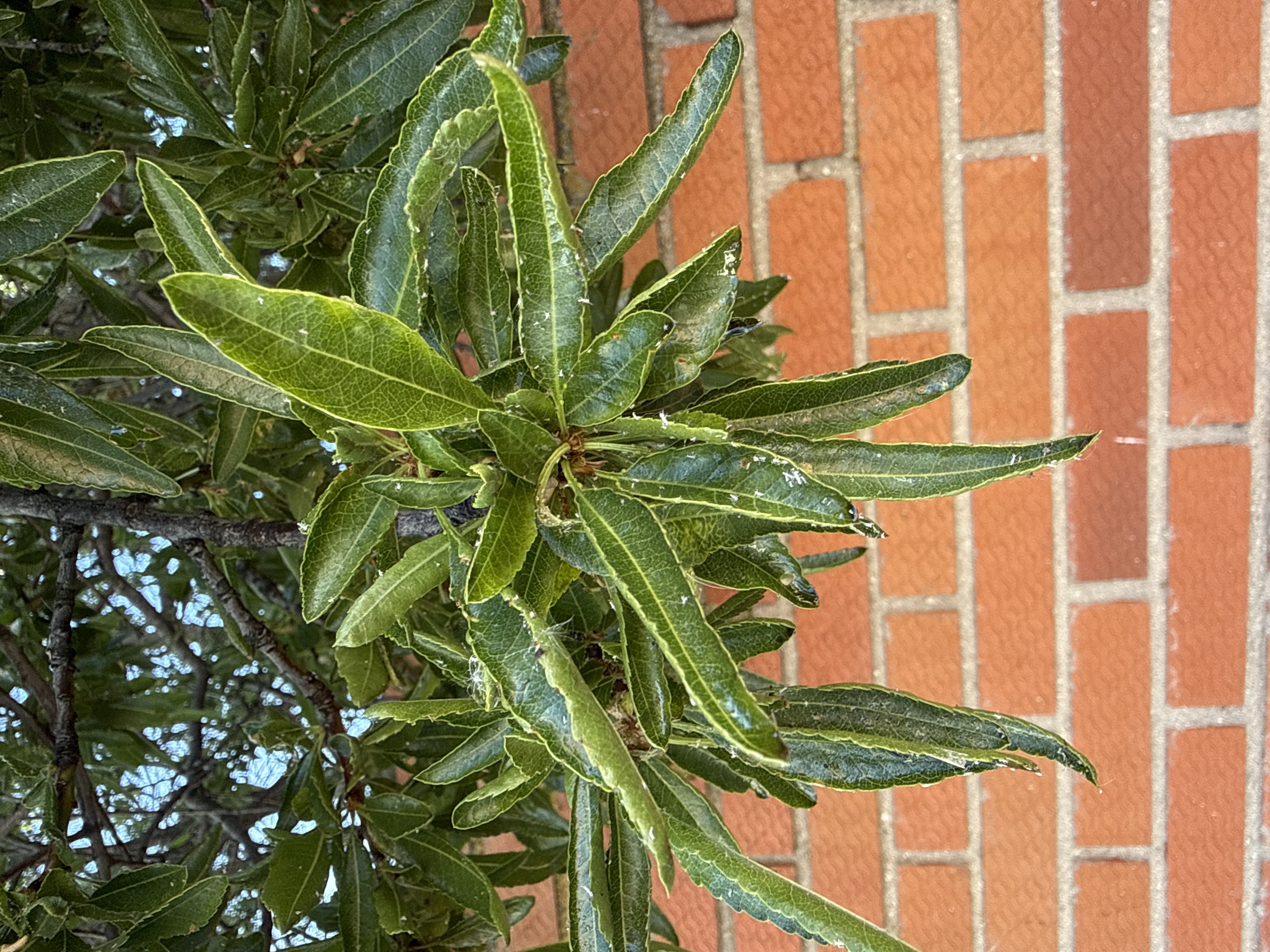
Olea europaea · olive treeExplore photosynthesisuploaded May 6, 2026
not yet identifieduploaded May 6, 2026
Bellevalia romana · Roman hyacinthExplore photosynthesisuploaded May 6, 2026
Nemophila menziesii · California blue-eyed grassExplore photosynthesisuploaded May 6, 2026
Taraxacum officinale · dandelionExplore photosynthesisuploaded May 6, 2026
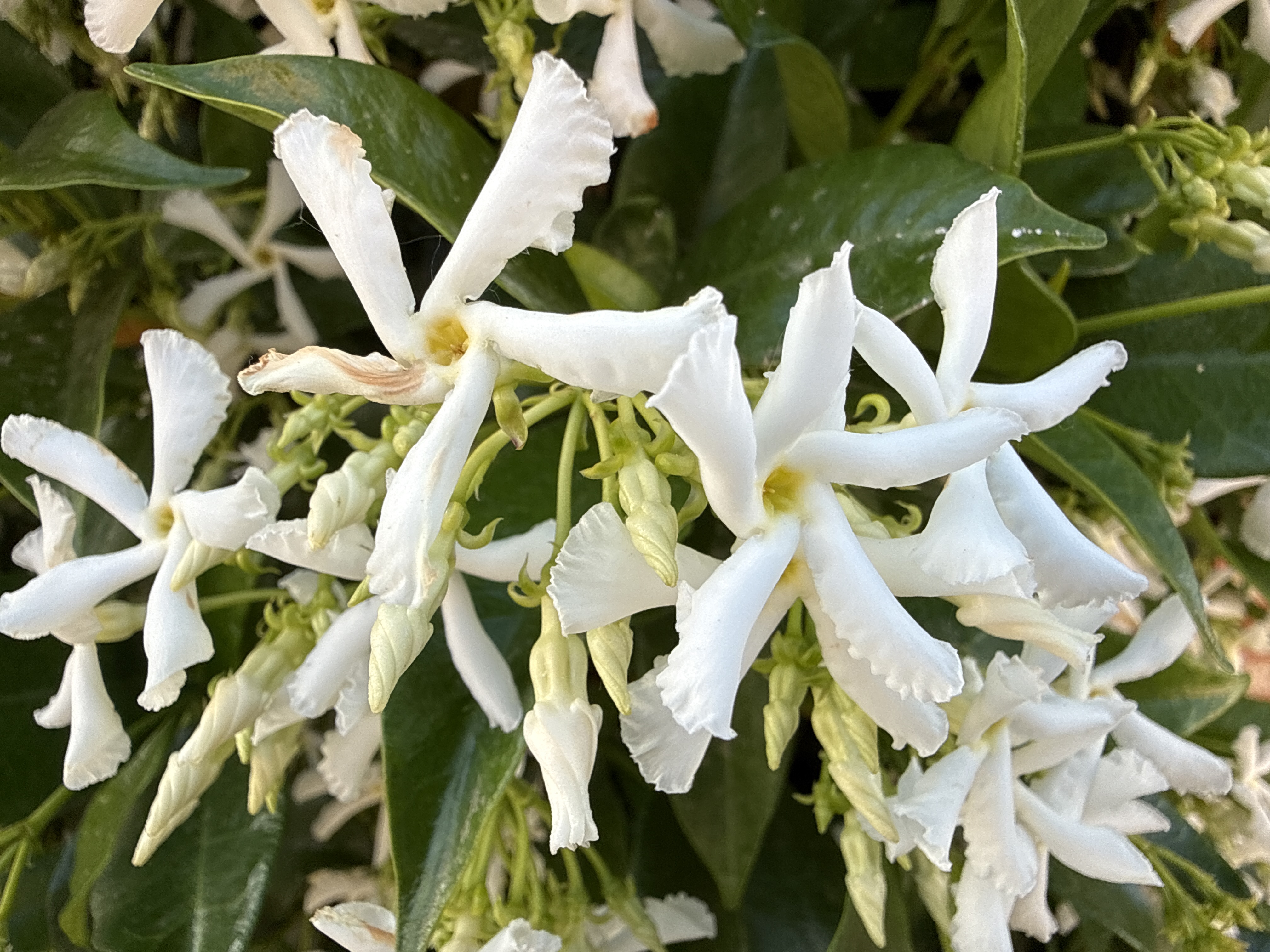
Clematis armandii · Evergreen ClematisExplore photosynthesisuploaded May 6, 2026
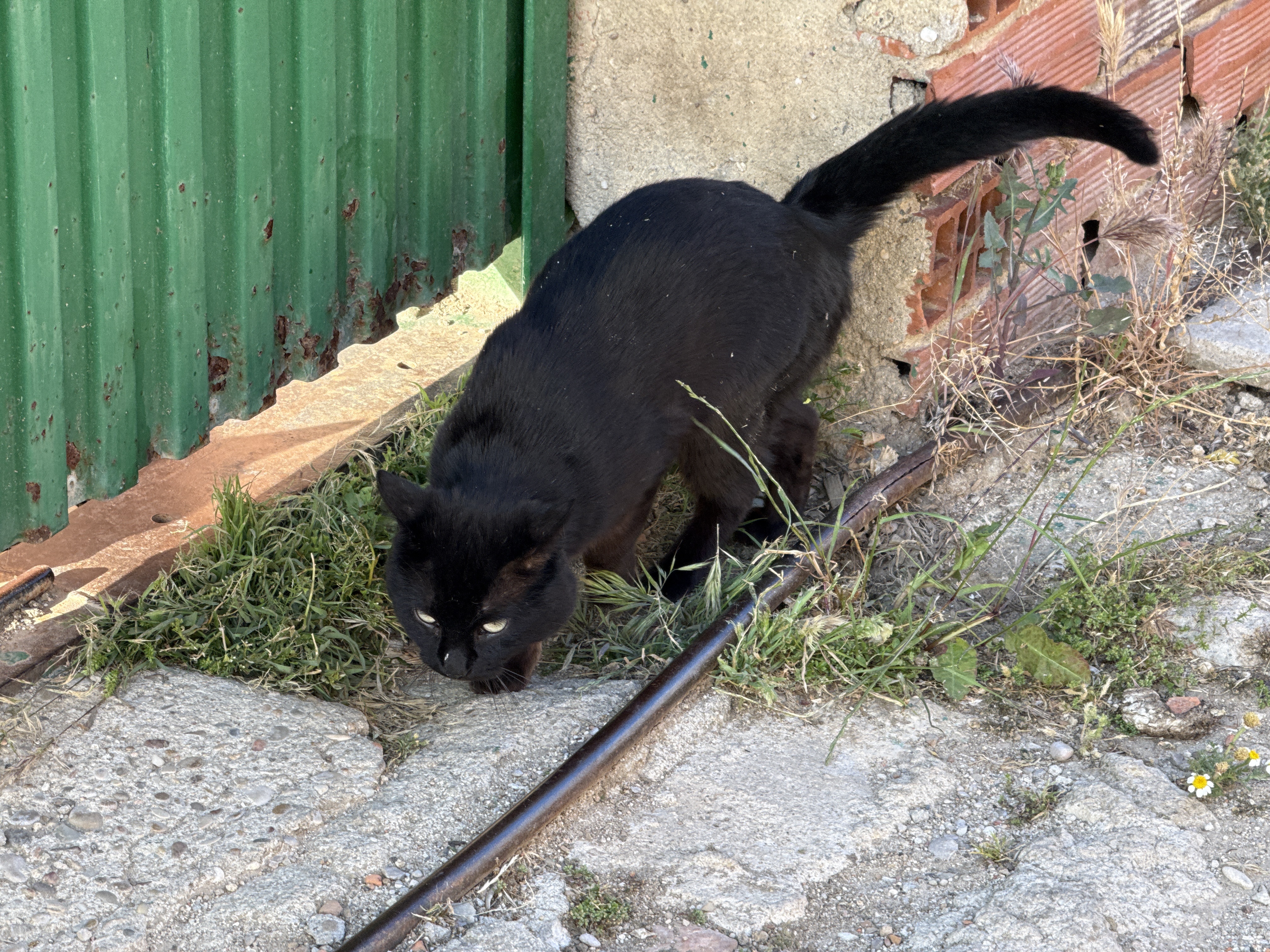
Felis catus · Domestic Catuploaded May 6, 2026
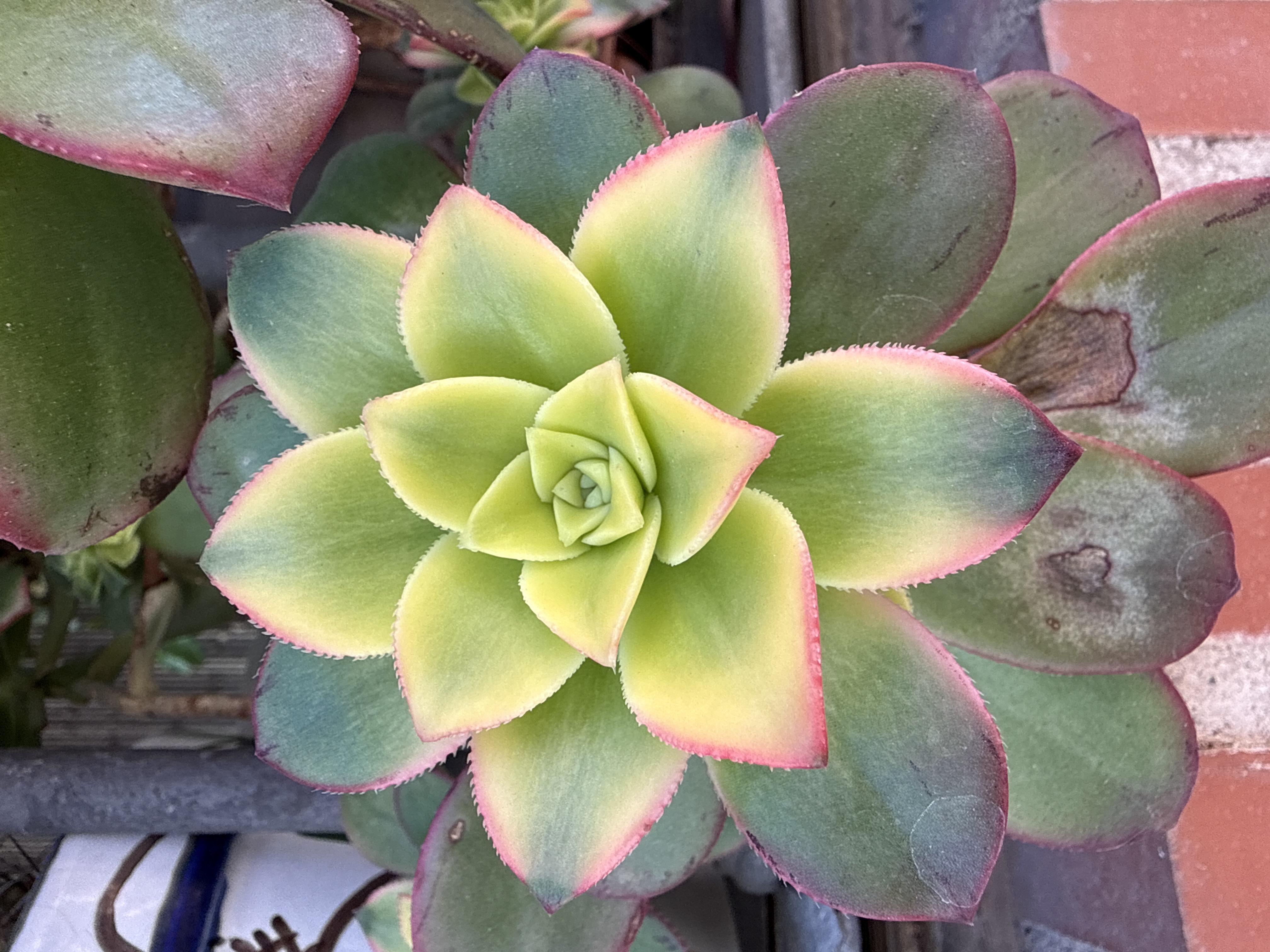
Echeveria elegans · Mexican SnowballExplore photosynthesisuploaded May 6, 2026
Campsis radicans · Trumpet VineExplore photosynthesisuploaded May 6, 2026
Rhododendron spp. · RhododendronExplore photosynthesisuploaded May 6, 2026
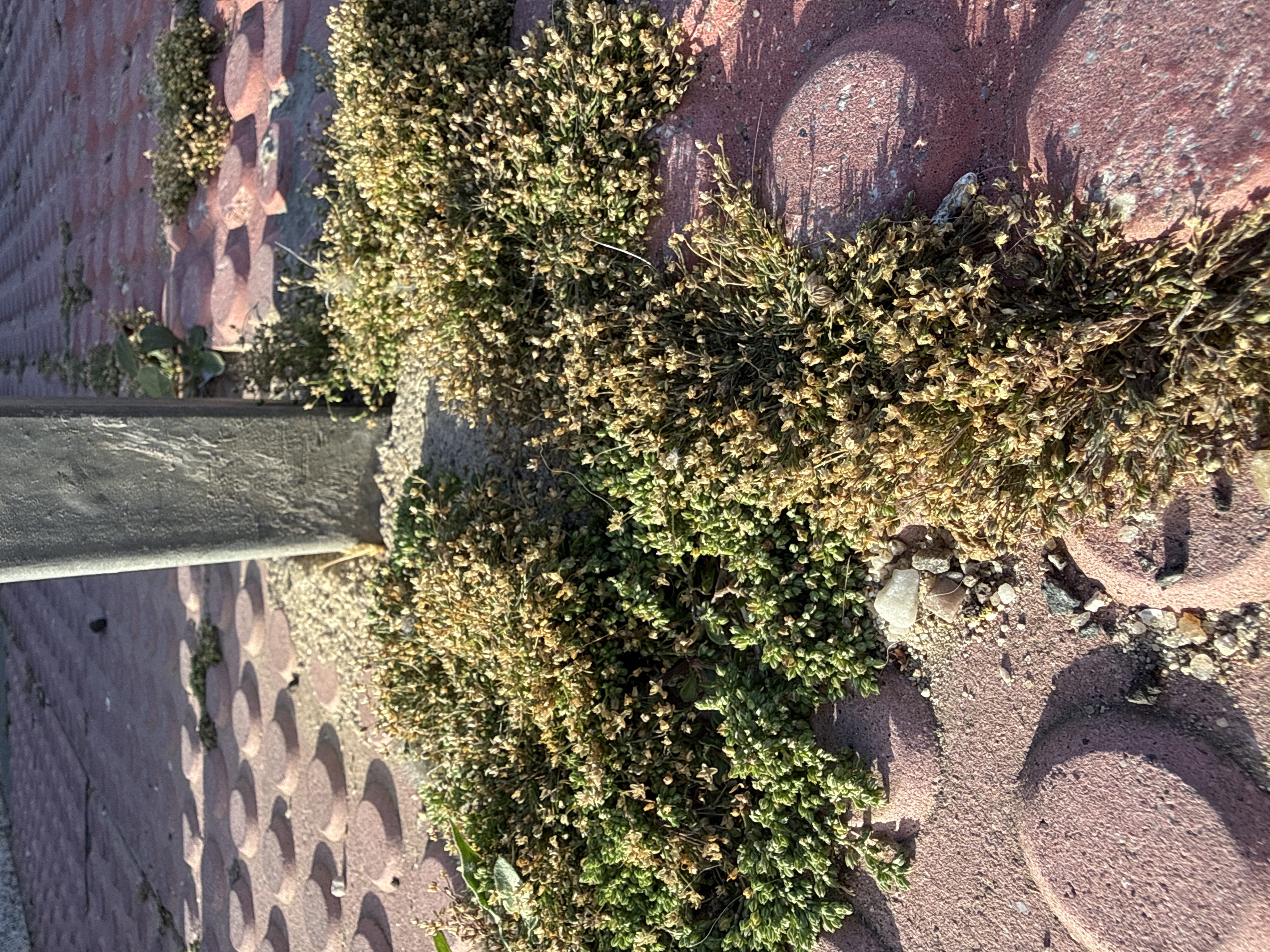
Sedum sp. · StonecropExplore photosynthesisuploaded May 6, 2026
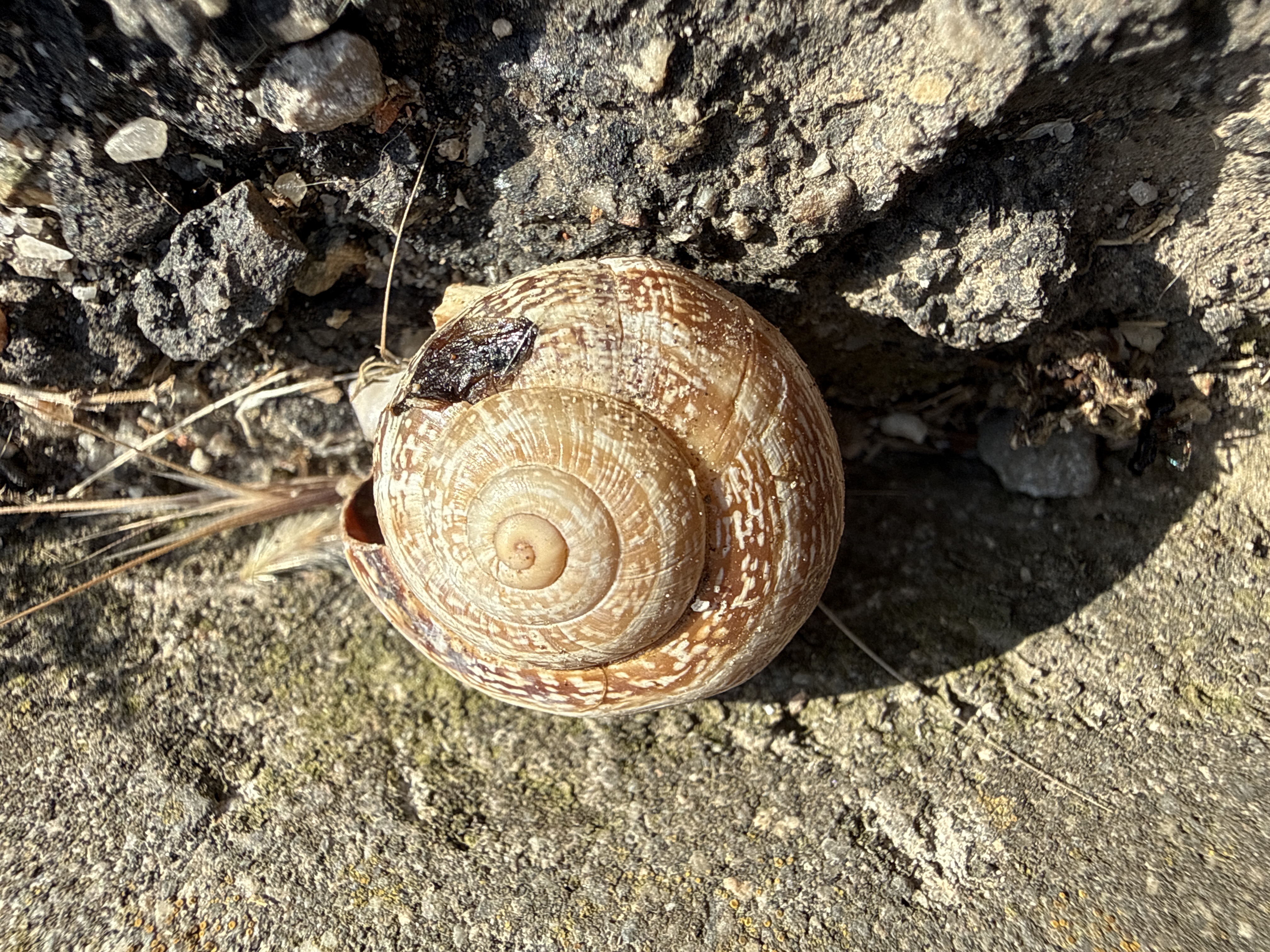
Cornu aspersum · Garden Snailuploaded May 6, 2026
Cymopterus acaulis · Colorado sneezeweedExplore photosynthesisuploaded May 6, 2026

Ecological interactions

⬇ JSON-LD
preys on
competes
eats
supports
  • dark-footed ant (Formica fusca) competes with little black ant (Monomorium minimum)50%
  • Domestic Cat (Felis catus) preys on little black ant (Monomorium minimum)50%
  • Garden Snail (Cornu aspersum) feeds on (herbivory) Mexican Snowball (Echeveria elegans)50%
  • Trumpet Vine (Campsis radicans) physically supports olive tree (Olea europaea)40%
  • Blue Wildrye (Elymus glaucus) competes with Colorado sneezeweed (Cymopterus acaulis)40%
  • little black ant (Monomorium minimum) competes with Mexican Snowball (Echeveria elegans)40%
  • little black ant (Monomorium minimum) competes with Blue Wildrye (Elymus glaucus)40%
  • dandelion (Taraxacum officinale) preys on Araneae30%
  • dog (Canis lupus familiaris) feeds on (herbivory) Common Daisy (Stellaria media)30%
  • Stonecrop (Sedum sp.) preys on Araneae30%

Senda — speculative descendants

Speculative descendants of the species you observed, evolved against the local biome and elevation.

5/6/2026mixed:unknowncompleted
Gen 5

Urban Cliff Ant

Monomorium urbanicum

descended from Monomorium minimum

The Monomorium urbanicum evolved from Monomorium minimum in response to the urban heat island effect and increased availability of human waste. Over generations, they adapted to exploit the abundant food sources and shelter provided by urban infrastructure. Their modified legs allowed them to climb and navigate the complex urban terrain, while their enhanced chemical communication enabled them to coordinate and defend their colonies more effectively.

Enhanced chemical communicationSpecialized tarsi for gripping smooth surfacesDarker exoskeleton for heat absorption
Gen 3

Suburban Snail

Cornu suburbanum

descended from Cornu aspersum

The Cornu suburbanum descended from Cornu aspersum, adapting to the suburban environment with its unique selective pressures. They developed a thicker shell to protect themselves from predators and harsh weather conditions, while their specialized radula allowed them to feed on the diverse array of ornamental plants found in suburban gardens.

Specialized radula for eating ornamental plantsAbility to estivate during extreme heatShell patterns reflecting urban pollution levels
Gen 4

City Spider

Araneae urbanica

descended from Araneae

The Araneae urbanica evolved from Araneae in response to the urban light pollution and abundance of insects attracted to streetlights. Over generations, they adapted to construct webs that maximized prey capture in these environments, while their enhanced eyesight allowed them to detect and capture prey more effectively.

Enhanced eyesight for detecting prey under streetlightsSpecialized silk for web constructionAbility to adjust web size and shape according to urban prey availability
Gen 6

Synanthropic Ant

Formica synanthropica

descended from Formica fusca

The Formica synanthropica descended from Formica fusca, adapting to the urban environment with its unique selective pressures. They developed a more complex social structure to coordinate foraging efforts and exploit the abundant food sources available in urban areas, while their modified mandibles allowed them to defend themselves against predators and competitors.

Enhanced social structure for cooperative foragingSpecialized castes for different foraging tasksAbility to navigate urban terrain using visual cues

Synthetic landscape

Generate a naturalistic illustration of this place built from the species you identified.

Optional: pick a photo to use as a template. Composition (depth) preserves layout; Style (reference) preserves the look of the place.

No landscapes yet. Generate one to see what this place could look like.