← All excursions

Bargas 1

Wild

Started May 2, 2026, 1:51 PM

Notes

Rainy day

Photos & observations
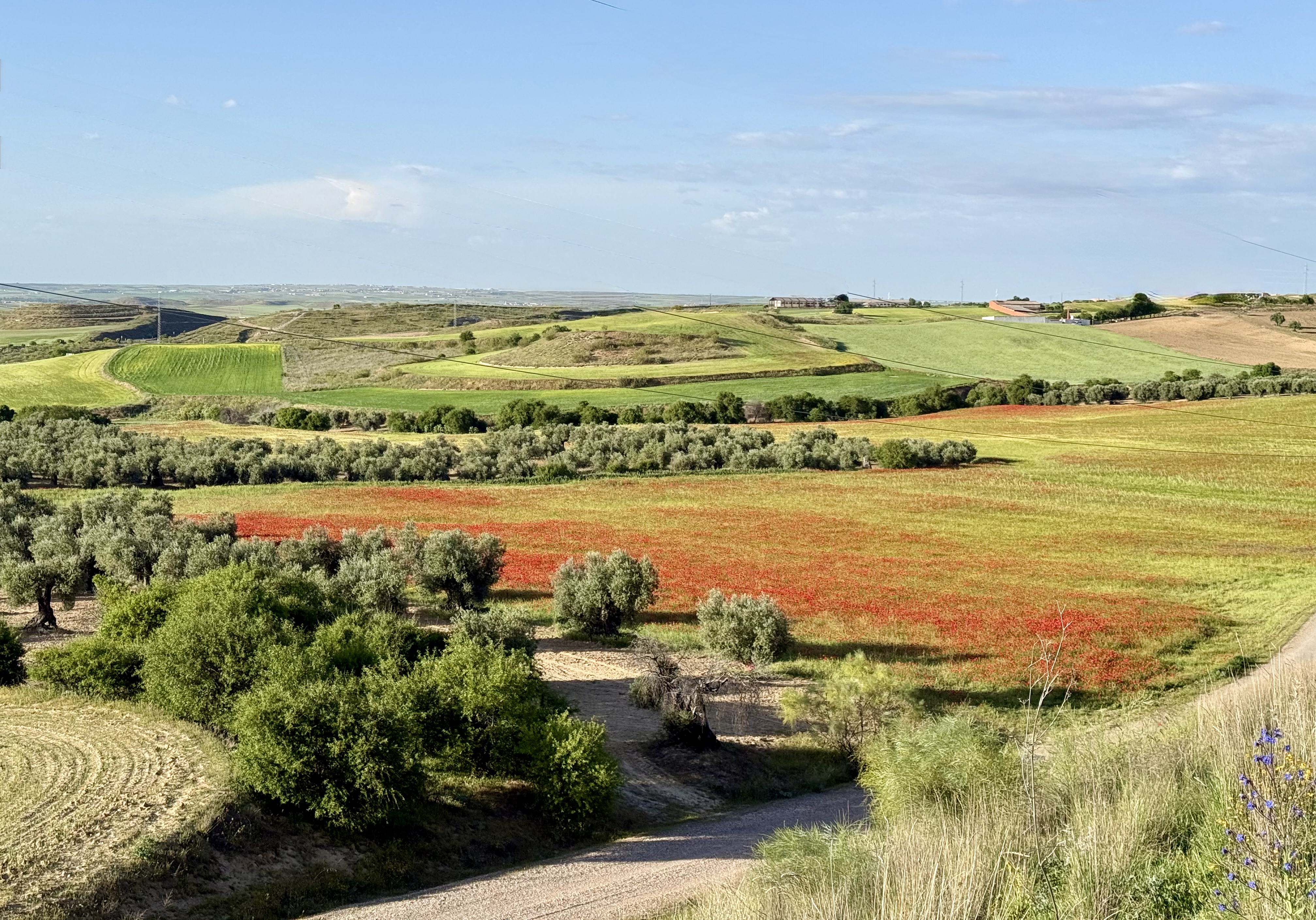
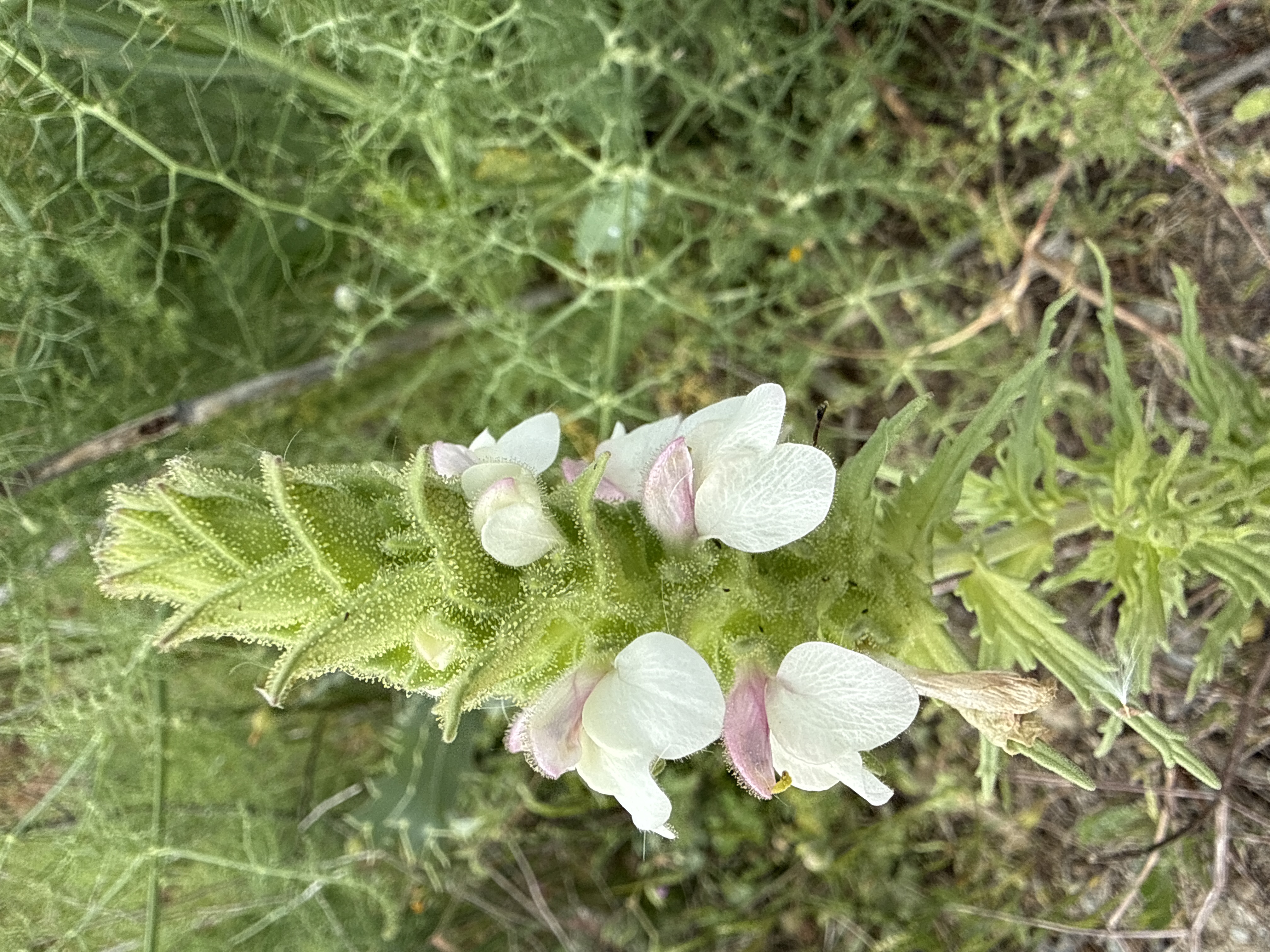
not yet identifiedApr 26, 2026, 5:33 PM
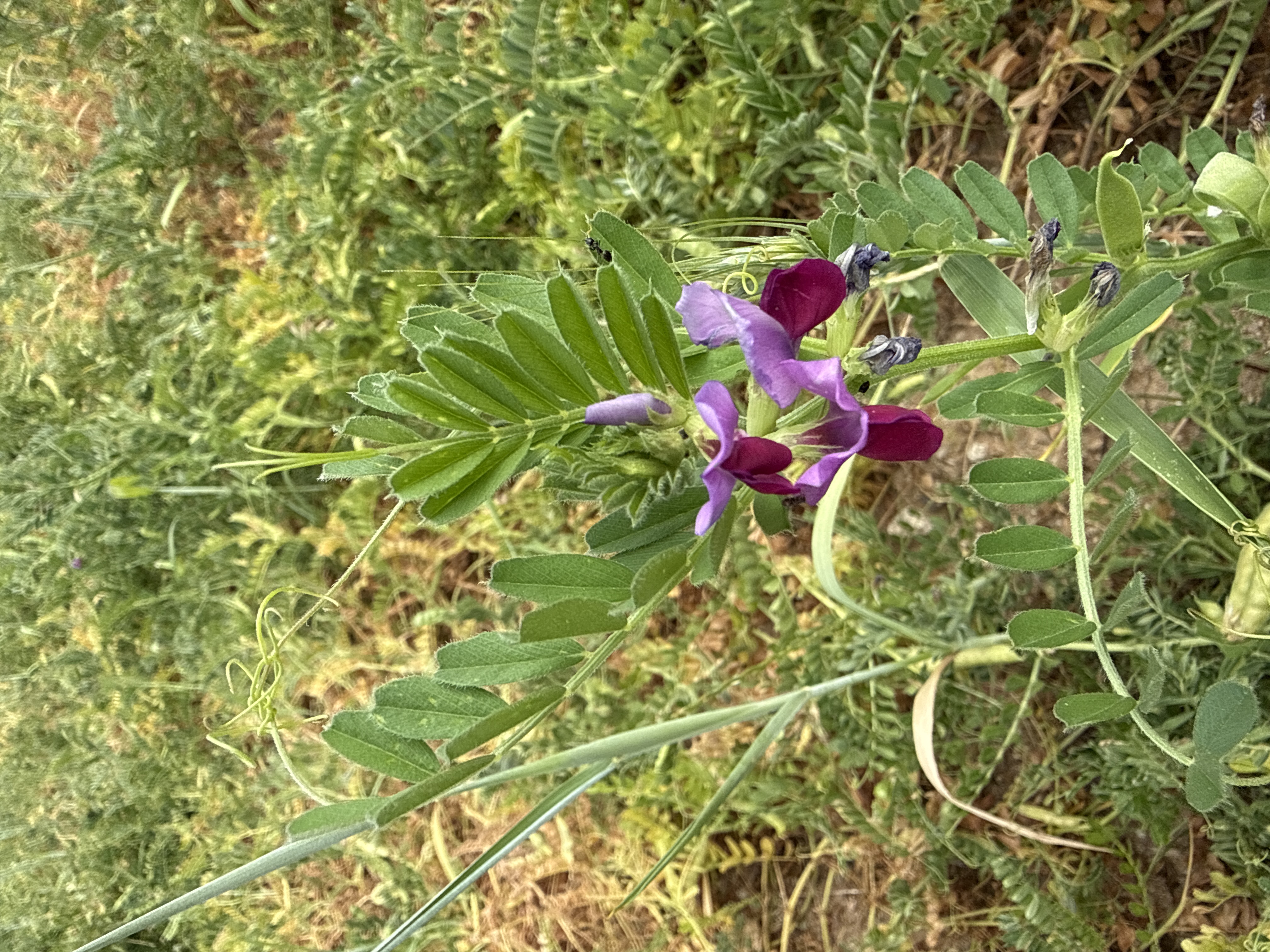
Lathyrus sativus · Grass peaExplore photosynthesisuploaded May 3, 2026
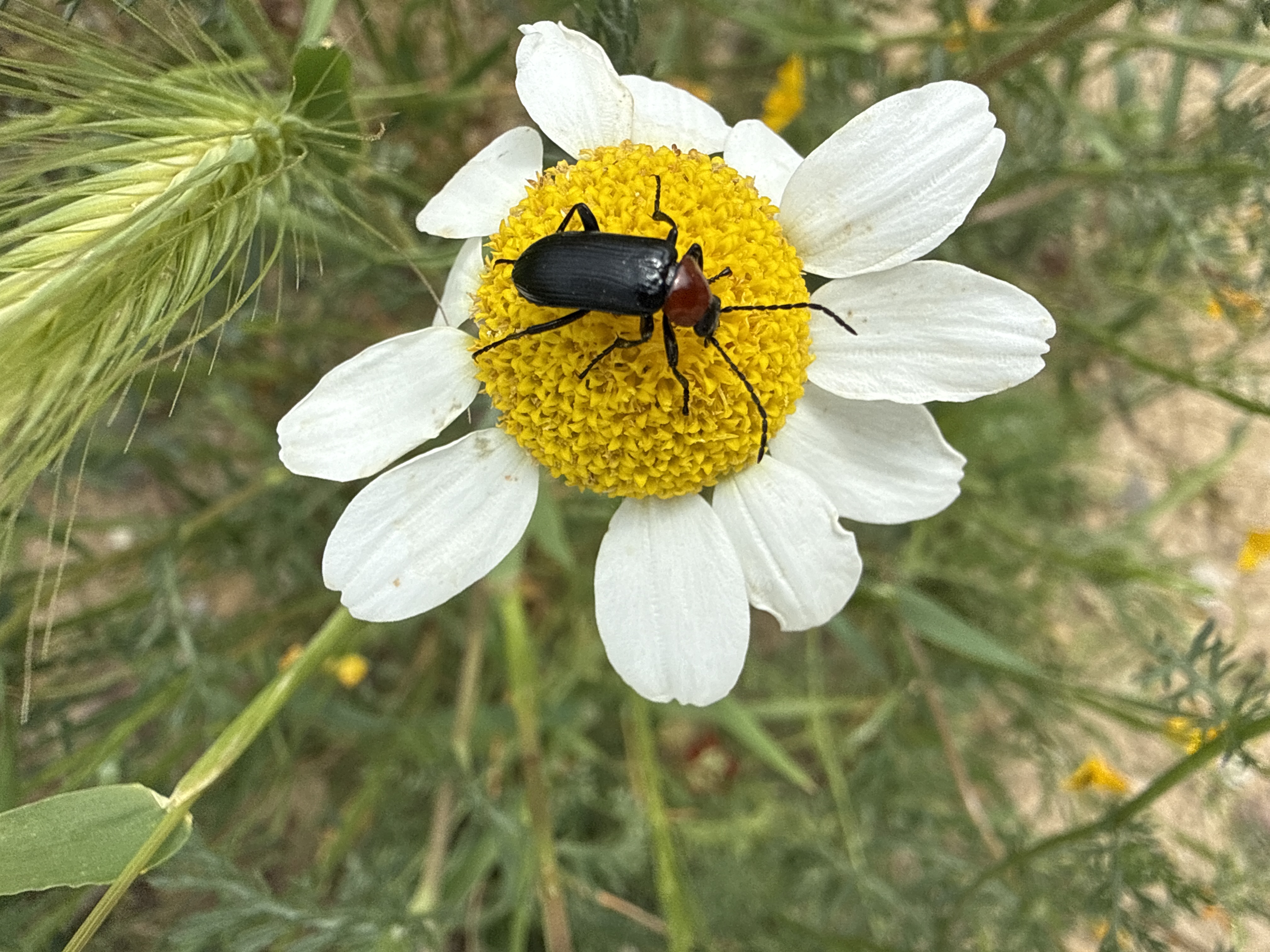
Trichodes ornatus · False Blister Beetleuploaded May 3, 2026
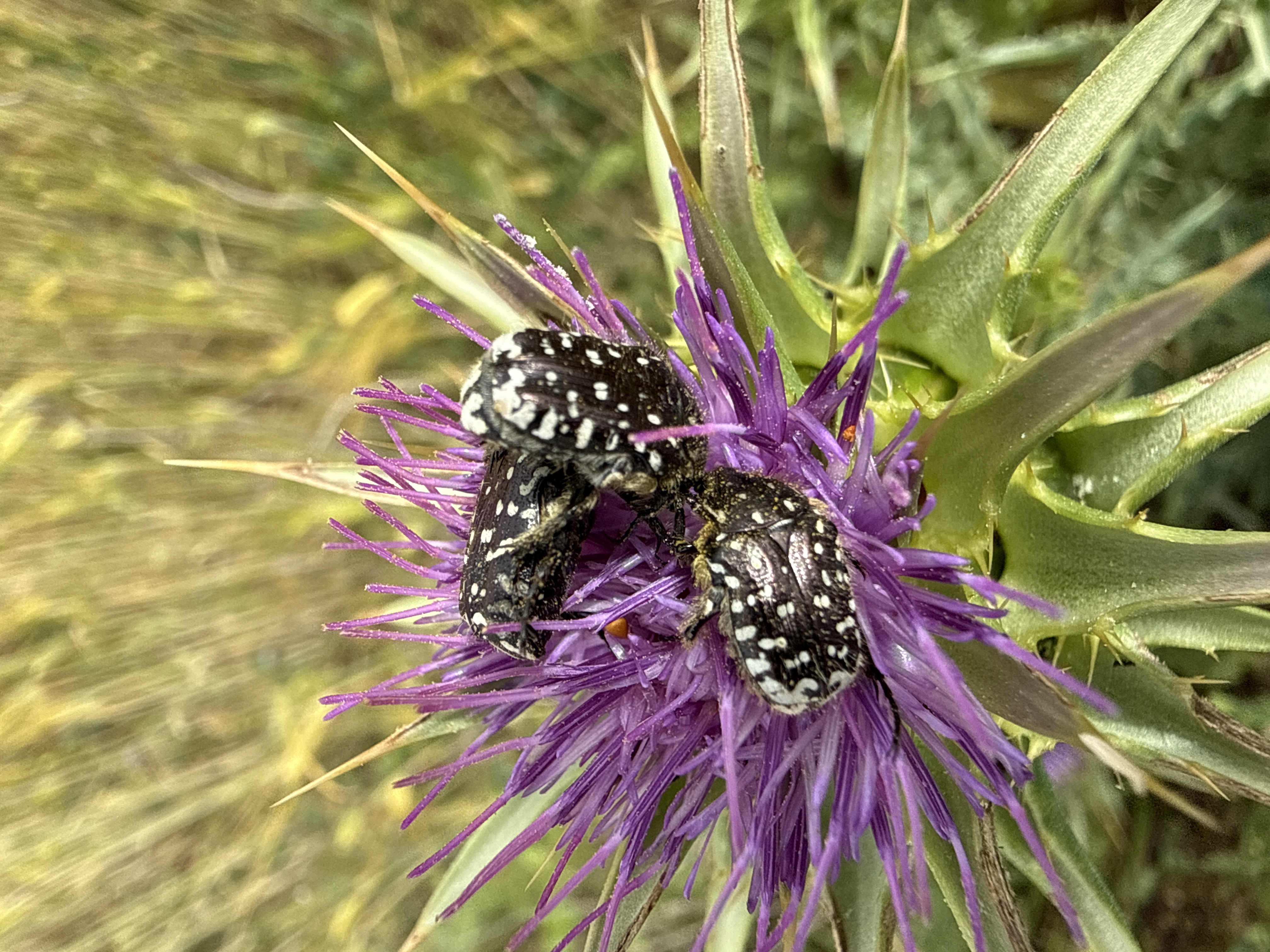
Larinus stebbingi · thistle weeviluploaded May 3, 2026
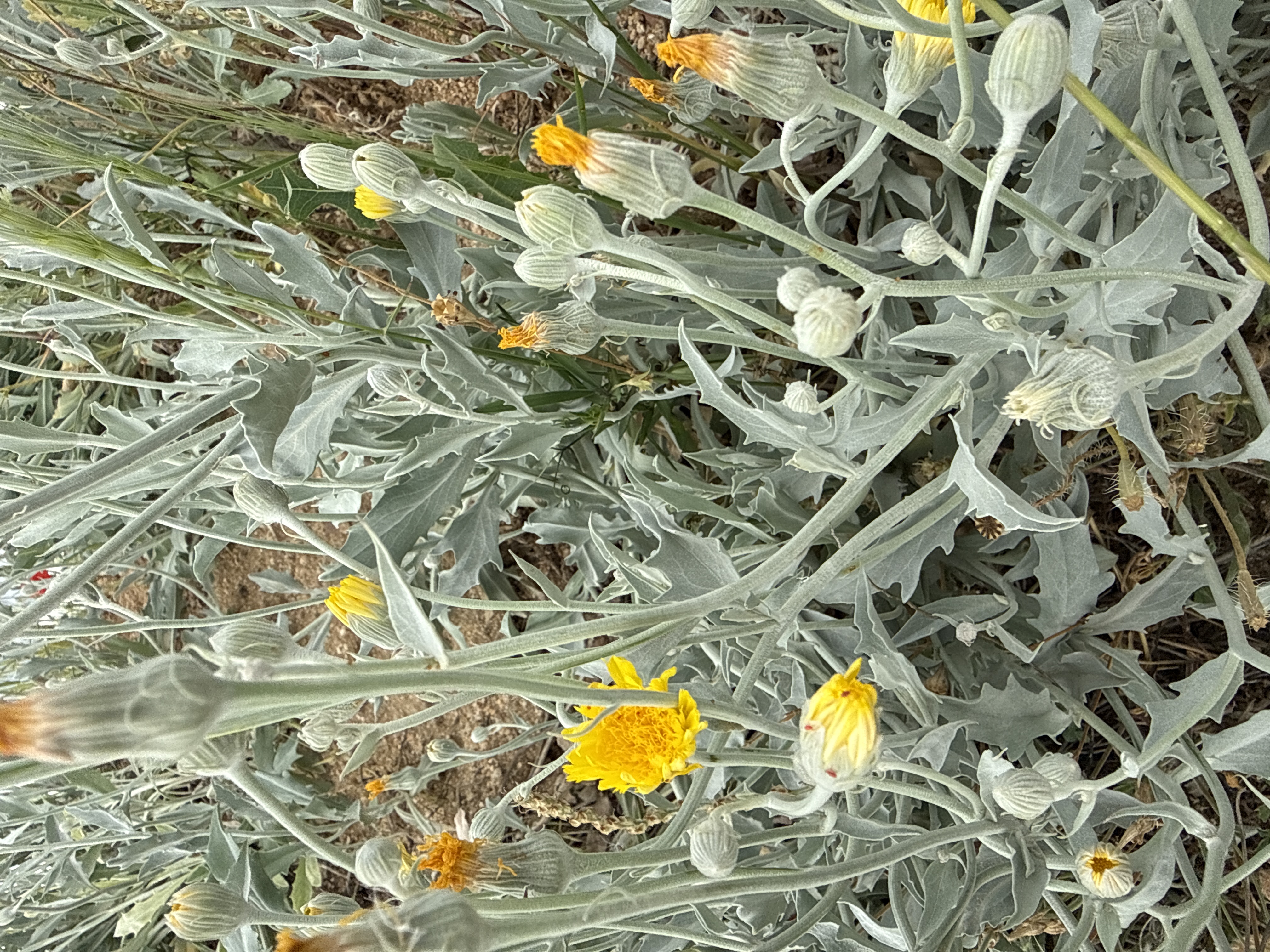
Encelia californica · California GoldfieldsExplore photosynthesisuploaded May 3, 2026
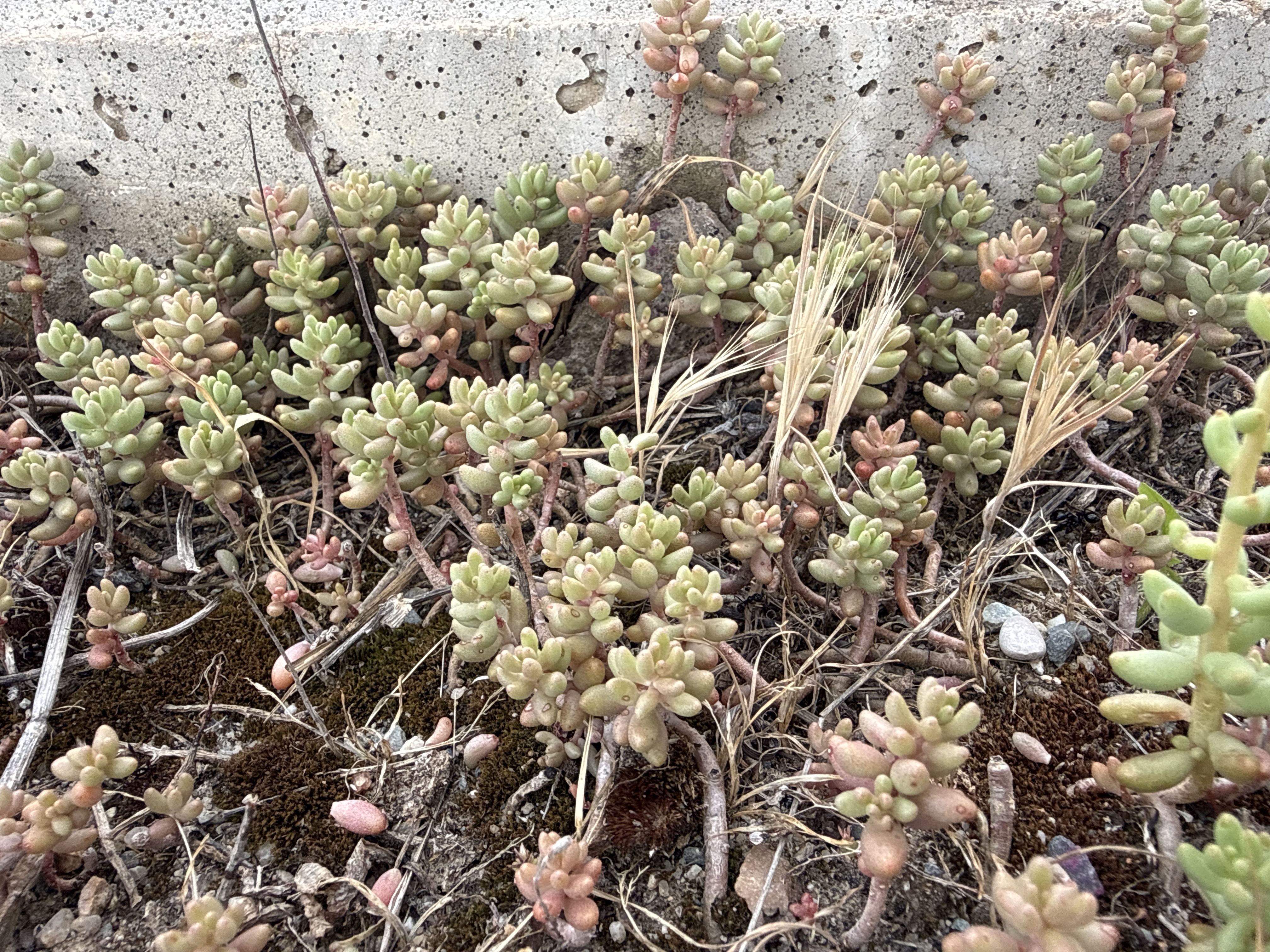
Sedum spurium · Dragon's Blood StonecropExplore photosynthesisuploaded May 3, 2026
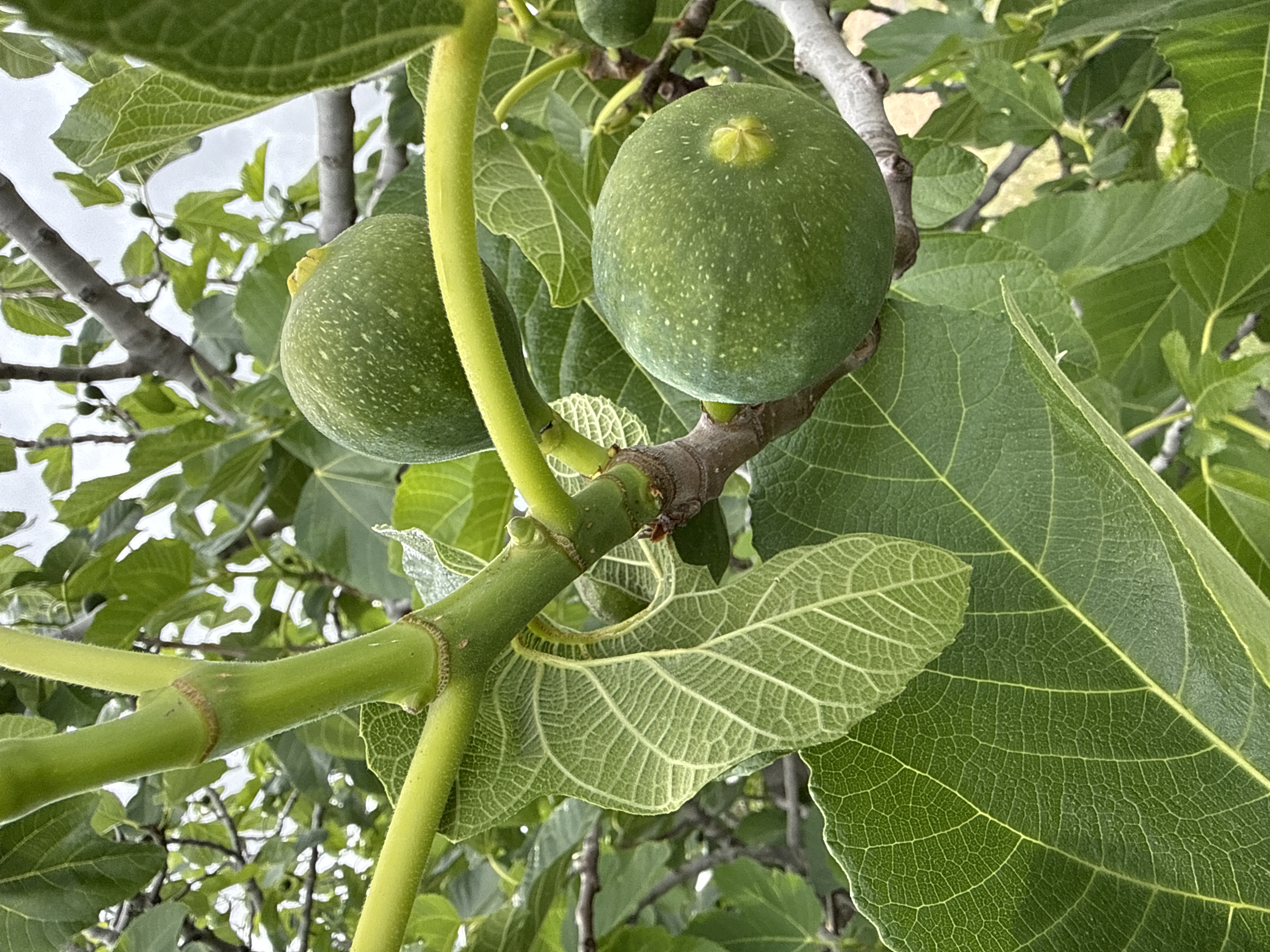
Ficus carica · figExplore photosynthesisuploaded May 3, 2026
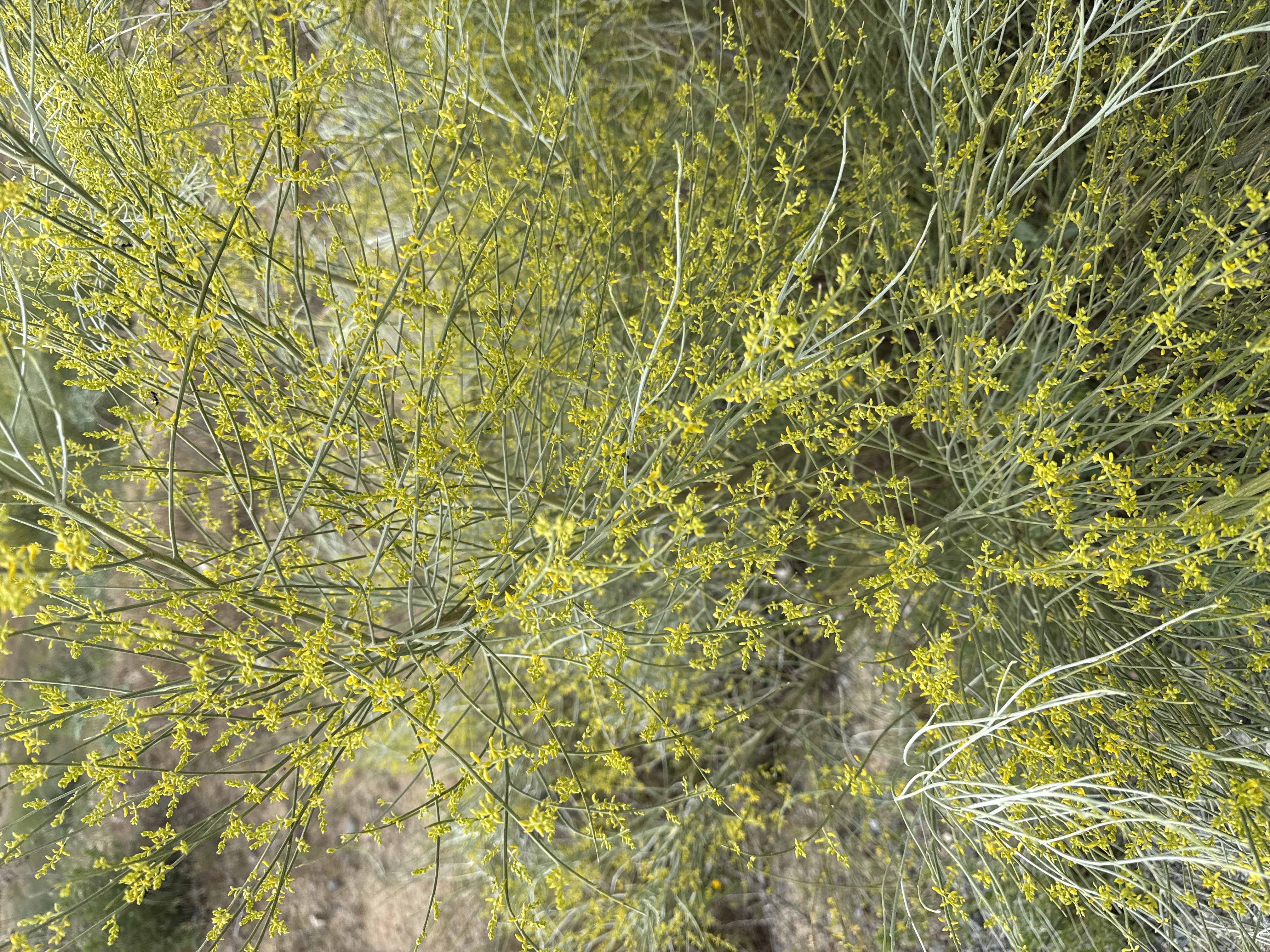
Ephedra nevadensis · Mormon TeaExplore photosynthesisuploaded May 3, 2026
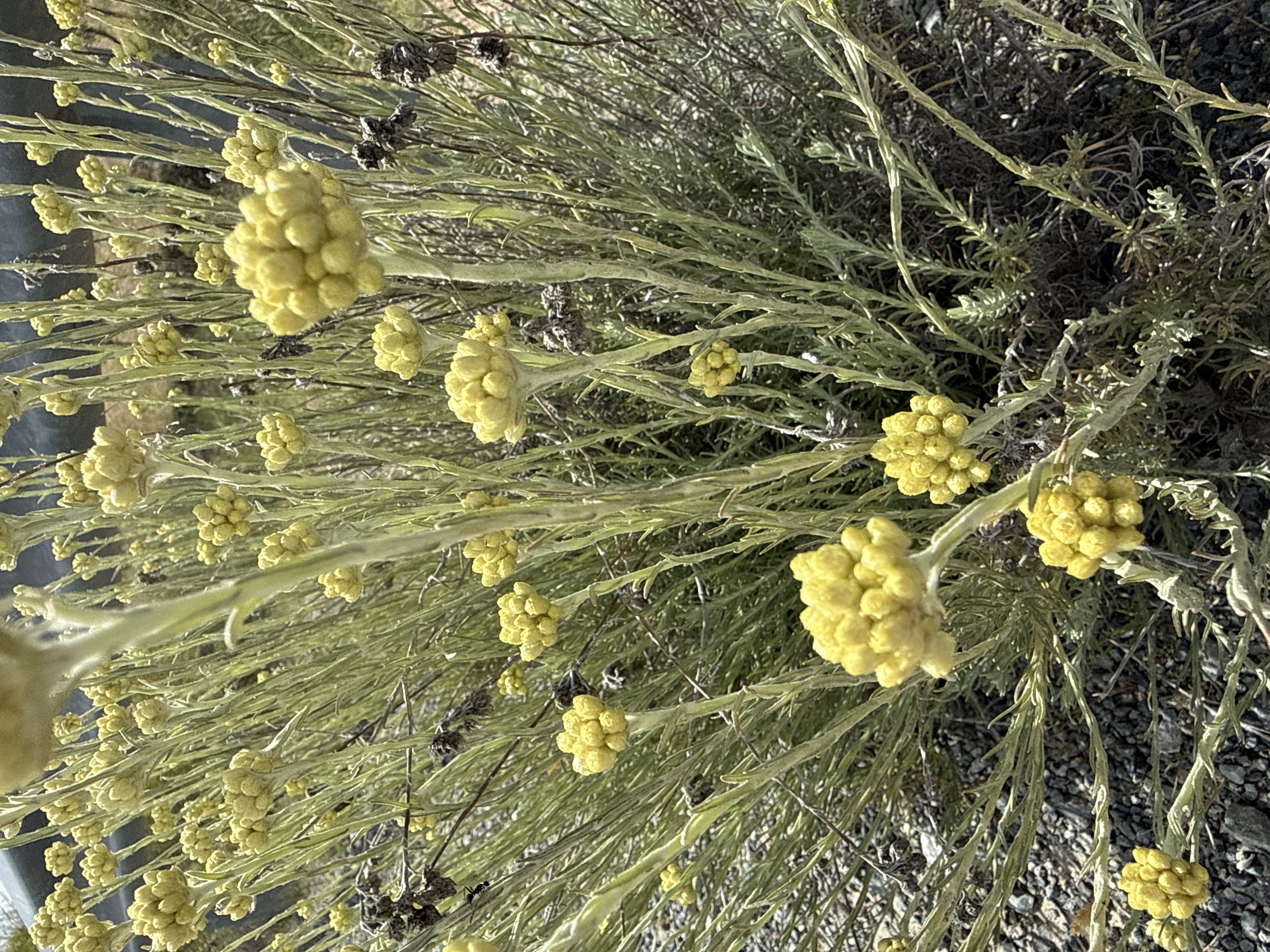
Gysophila thymifolia · Thyme-leafed GypsophilaExplore photosynthesisuploaded May 3, 2026
Galium californicum · California bedstrawExplore photosynthesisuploaded May 3, 2026
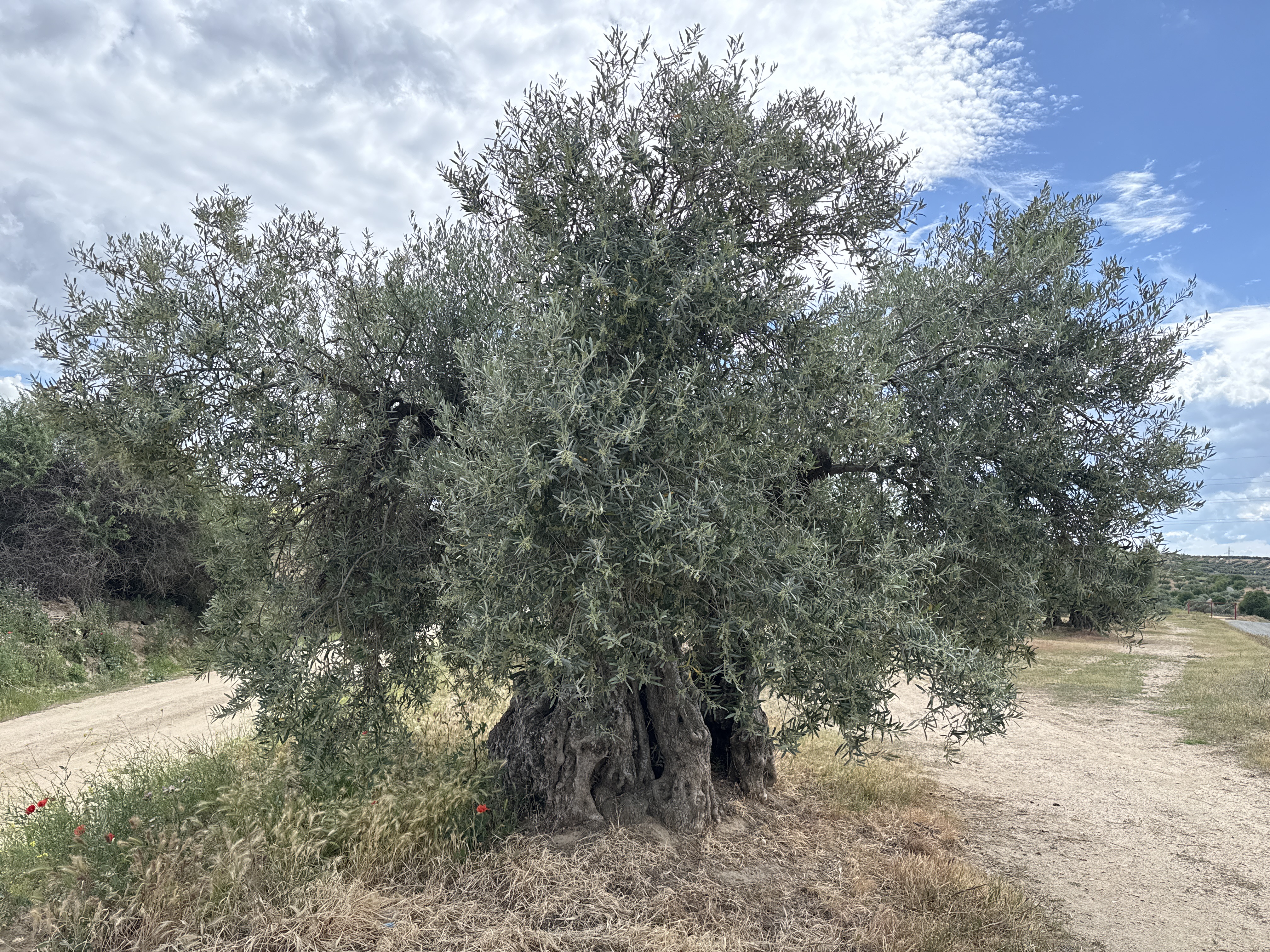
Olea europaea · olive treeExplore photosynthesisuploaded May 3, 2026
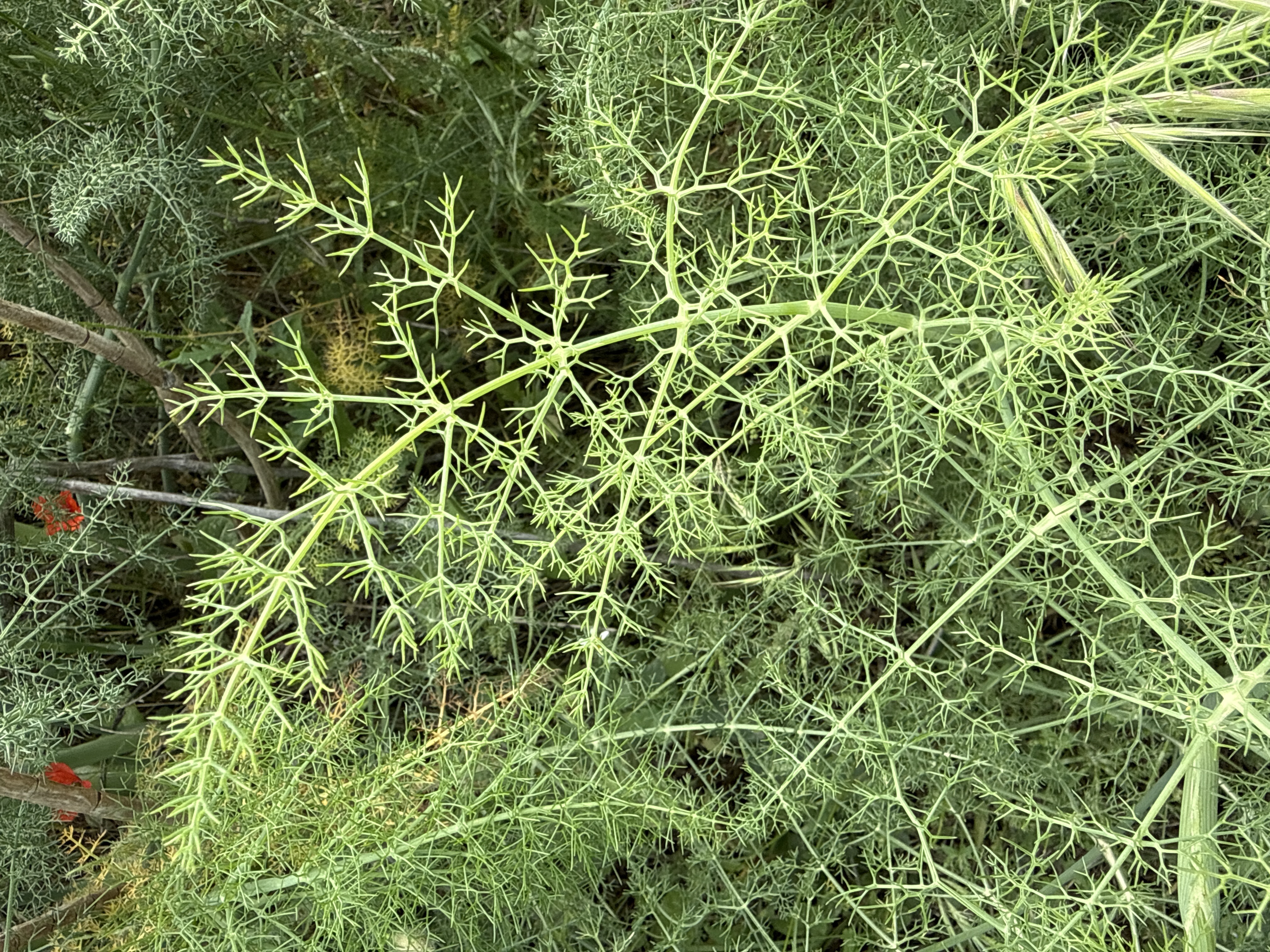
Eryngium · ThistleExplore photosynthesisuploaded May 3, 2026
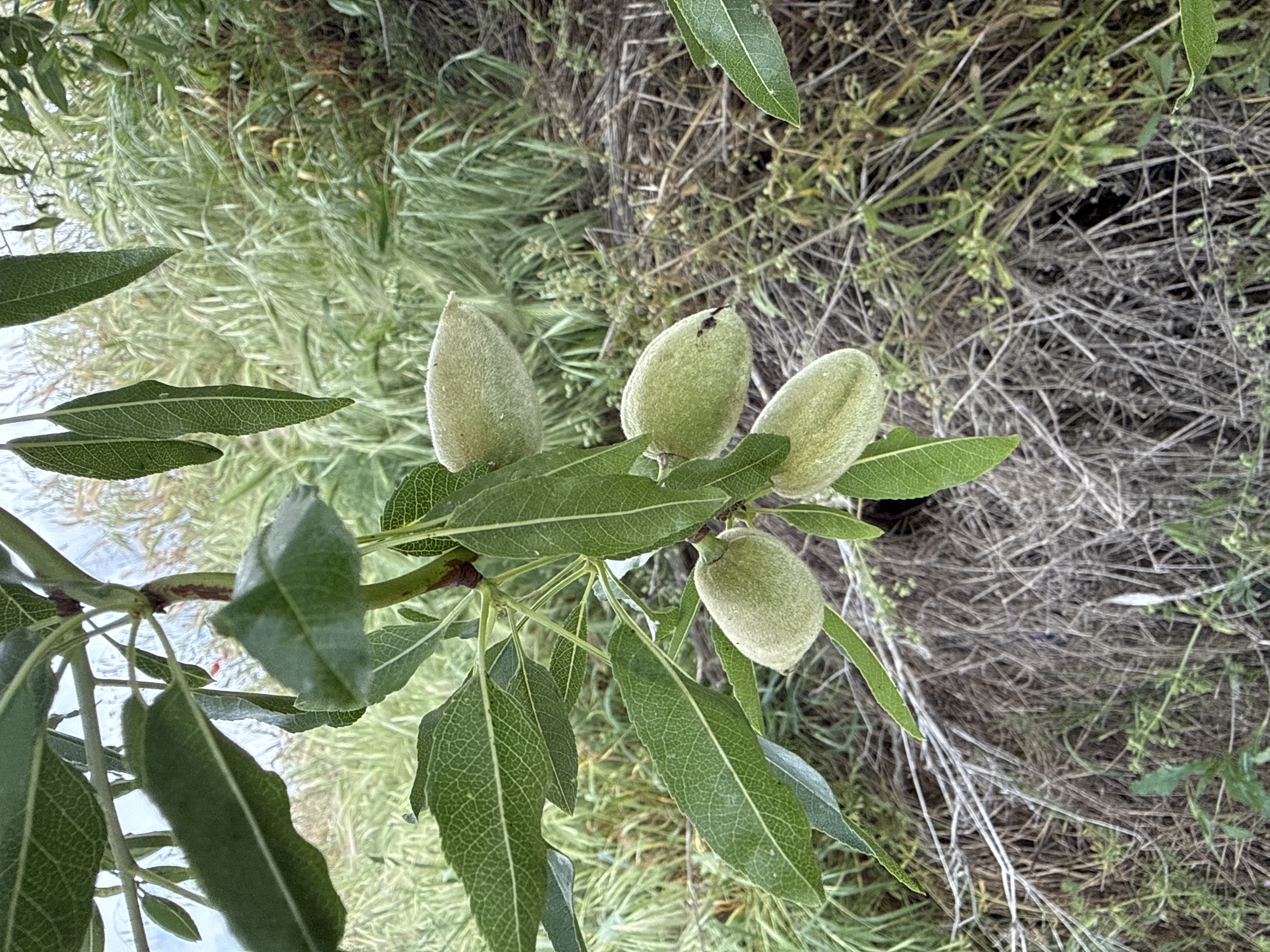
Prunus dulcis · almondExplore photosynthesisuploaded May 3, 2026
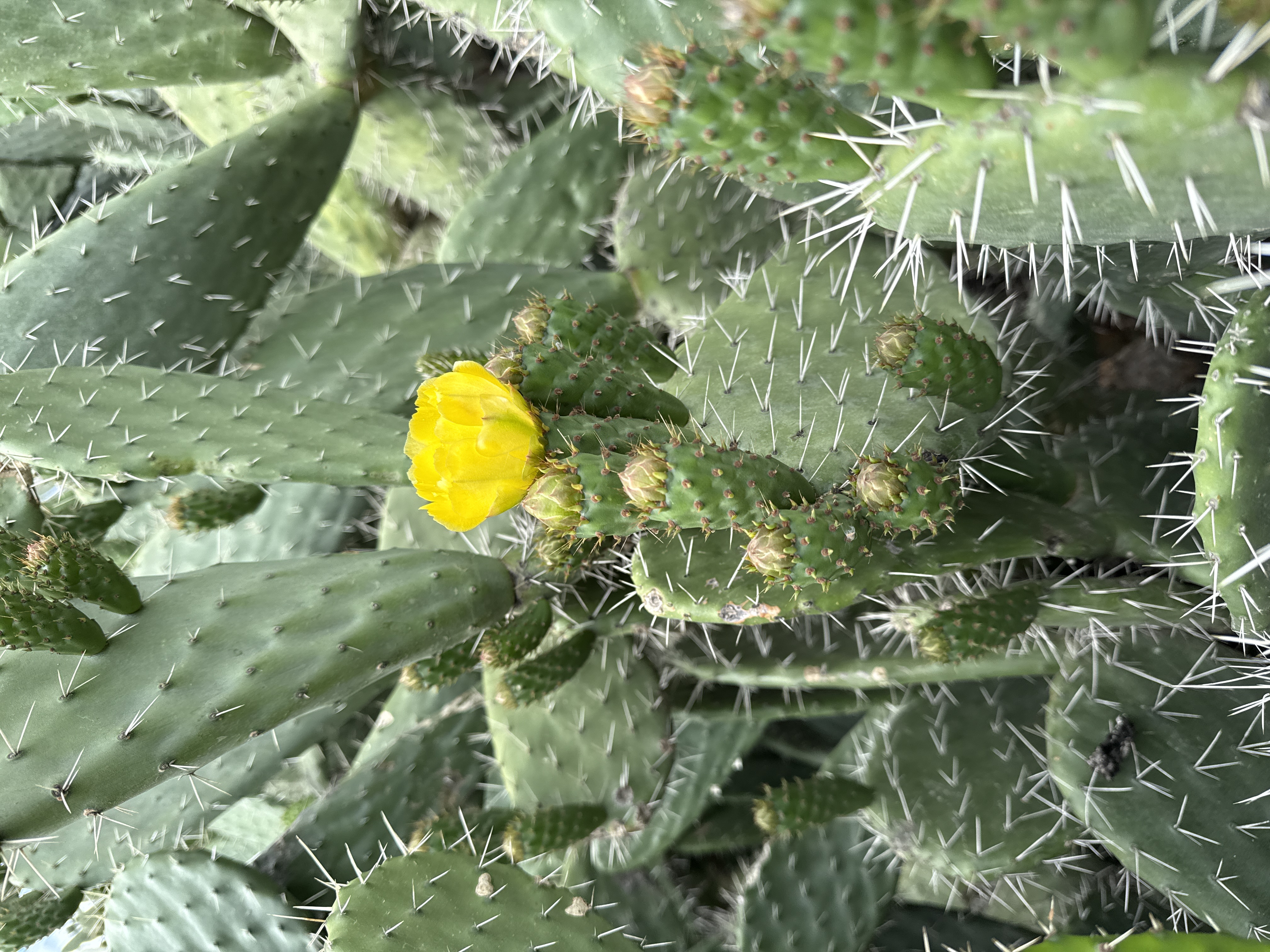
Opuntia spp. · Prickly PearExplore photosynthesisuploaded May 3, 2026
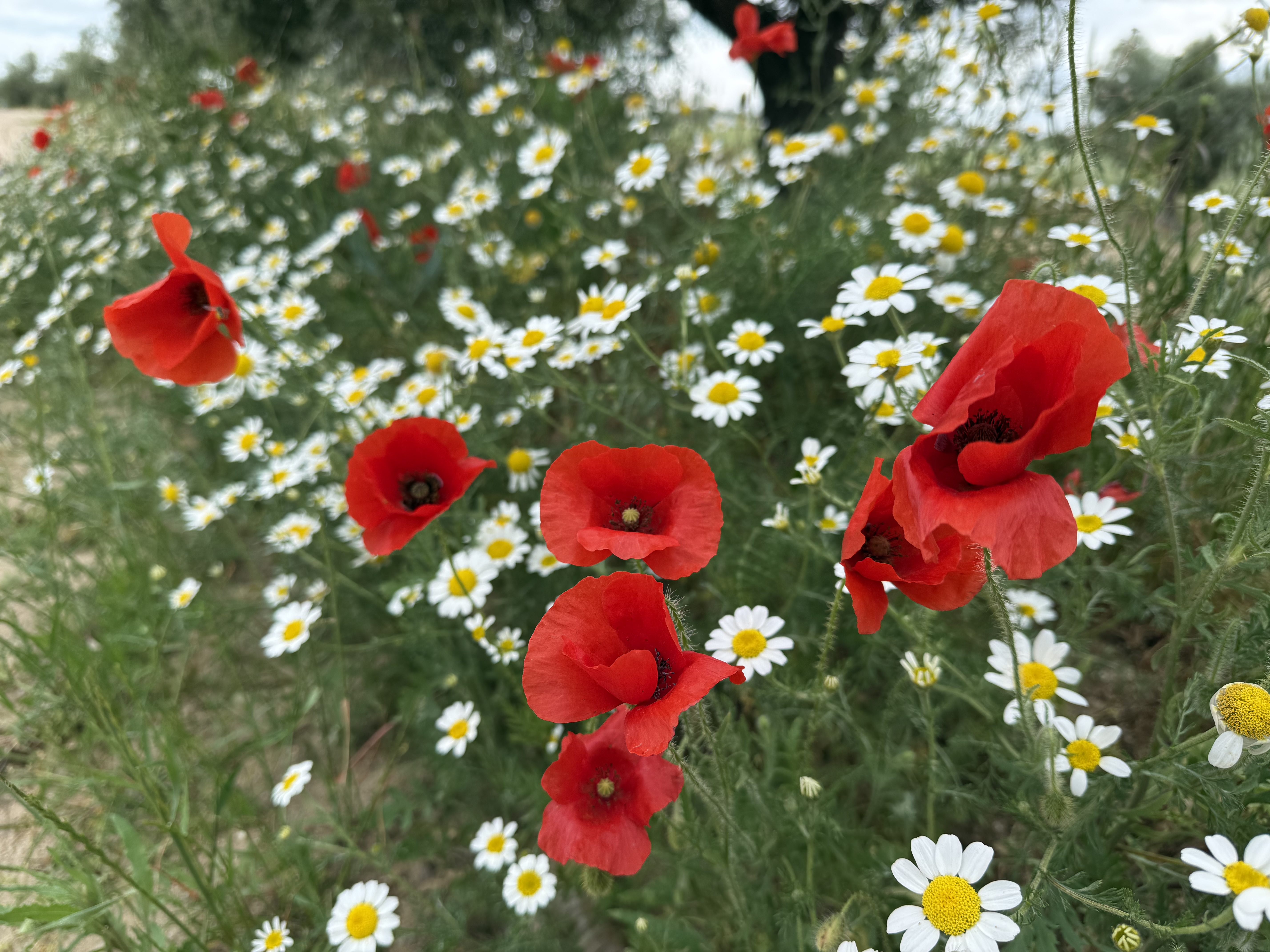
Papaver rhoeas · common poppyExplore photosynthesisMay 2, 2026, 2:06 PM

Ecological interactions

⬇ JSON-LD
hosts
parasitises
interacts
  • Grass pea (Lathyrus sativus) parasitises thistle weevil (Larinus stebbingi)80%
  • thistle weevil (Larinus stebbingi) hosts Grass pea (Lathyrus sativus)80%
  • fig (Ficus carica) hosts False Blister Beetle (Trichodes ornatus)50%
  • almond (Prunus dulcis) interacts with California Goldfields (Encelia californica)40%
  • Prickly Pear (Opuntia spp.) hosts False Blister Beetle (Trichodes ornatus)30%
  • olive tree (Olea europaea) hosts False Blister Beetle (Trichodes ornatus)30%
  • common poppy (Papaver rhoeas) hosts False Blister Beetle (Trichodes ornatus)30%
  • Thistle (Eryngium) hosts thistle weevil (Larinus stebbingi)30%
  • Dragon's Blood Stonecrop (Sedum spurium) hosts False Blister Beetle (Trichodes ornatus)30%
  • Thyme-leafed Gypsophila (Gysophila thymifolia) hosts False Blister Beetle (Trichodes ornatus)30%
  • California bedstraw (Galium californicum) hosts thistle weevil (Larinus stebbingi)30%

Senda — speculative descendants

Speculative descendants of the species you observed, evolved against the local biome and elevation.

5/3/2026biome unknowncompleted
Gen 5

Dune Weevil

Larinus arenarius

descended from Larinus stebbingi

As the climate became drier and sand dunes more prevalent, Larinus stebbingi adapted to the new terrain. Over time, its descendants developed stronger front legs for burrowing into the sand and longer antennae to detect prey and predators in the shifting dunes. Their diet shifted to specialize on the seeds of Opuntia spp., which were abundant in the area. The elytra became more armored to protect against the abrasive sand and to conserve water.

Longer, more powerful antennae for detecting vibrations in sandWaxy coating on elytra to prevent water loss
Gen 3

Thorn-Thistle Borer

Eryngiorestis thorntoni

descended from Trichodes ornatus

Trichodes ornatus, which previously fed on a variety of plants, began to specialize on Eryngium (Thistle) and similar spiny plants. Over generations, its larvae developed the ability to bore into the tough stems of these plants. As a defense, the adults evolved camouflage on their elytra to blend in with the thistle spines, reducing predation risk. This specialization allowed them to thrive in areas where other beetles struggled to survive.

Specialized mouthparts for boring into tough thistle stemsLoss of bright coloration, adopting a more cryptic appearance
Gen 8

Dwarf Goldfields Mite

descended from Encelia californica

In response to intense sunlight and dry conditions on rocky outcrops, Encelia californica gave rise to a small, mite-like creature. This descendant evolved to feed on sap and small insects, supplementing its diet with limited photosynthetic capabilities. It developed chemical defense compounds to deter herbivores and a waxy coating to conserve water. Over time, its body size decreased to minimize water loss, leading to the Dwarf Goldfields Mite.

Ability to photosynthesize like plants, supplementing diet with sunlightWaxy coating to prevent water loss on rocky surfaces

Synthetic landscape

Generate a naturalistic illustration of this place built from the species you identified.

Optional: pick a photo to use as a template. Composition (depth) preserves layout; Style (reference) preserves the look of the place.